

Sealife guideDemosponges: the most common sponges of the seaThe marine sponges
Last updated on 09/25/2025 at 11:32 PM
Taxonomy
- Phylum: Porifera, sponges
- Class:
- Common Name: Demosponges
- Scientific Name: Demospongia
Description
Demosponges are the most commonly encountered sponges. They are primarily marine species, but a few freshwater species also exist.
Demosponges are characterized by a skeleton made of spongin, which may be reinforced by siliceous spicules. The spongin provides elasticity to the sponge.
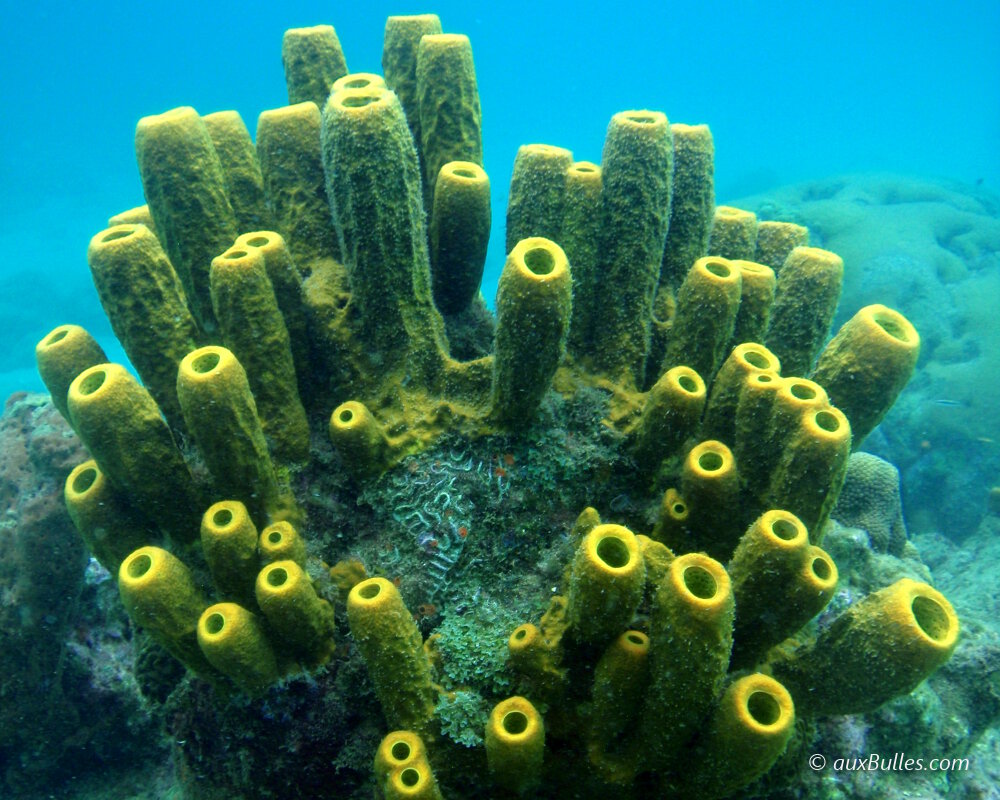
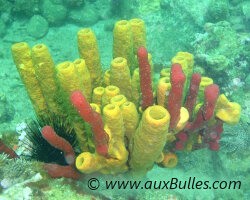
The yellow tube sponge stands out with its bright color
Demosponges include the most varied sponges in terms of shape and color. They can be found at all ocean depths.
Geographic range
Demosponges are found throughout the world’s seas and oceans.
Did you know ?
The natural bath sponge you find in stores is actually the skeleton of a demosponge without siliceous spicules.
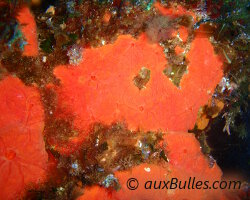
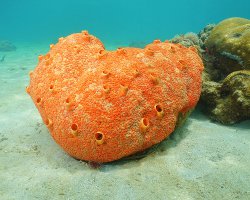
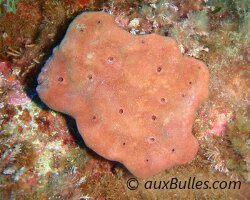
Discover marine demosponge
Our latestUpdates
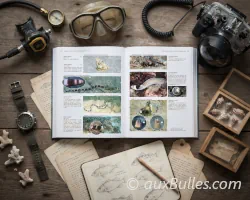
The Guide des poissons de Nouvelle-CalédonieDiscover Guide to the Fishes of New Caledonia by Pierre Laboute and René Grandperrin, an illustrated reference featuring nearly 1,200 species, from rivers and coral reefs to the depths of the ocean.Read more
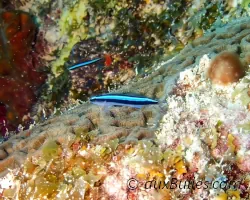
The neon gobyDiscover the neon goby (Elacatinus oceanops), a small western Atlantic reef fish known for its brilliant blue stripe and its role as a cleaner fish that removes parasites from other fish.Read more

The poison gobyDiscover the poison goby (Gobiodon citrinus), a tiny reef fish with a bright yellow body and distinctive blue markings. It lives among branching Acropora corals in the tropical waters of the Indo-Pacific.Read more
Photo of the Day

Gorette bleue
(Haemulon sciurus)
(Haemulon sciurus)
 Copyright © 2007-2026 auxBulles.com - All rights reserved. Legal notices.
Photo credits - Our partners