

Sealife guideExplore the wonders of sea life
Last updated on 09/25/2025 at 11:32 PM
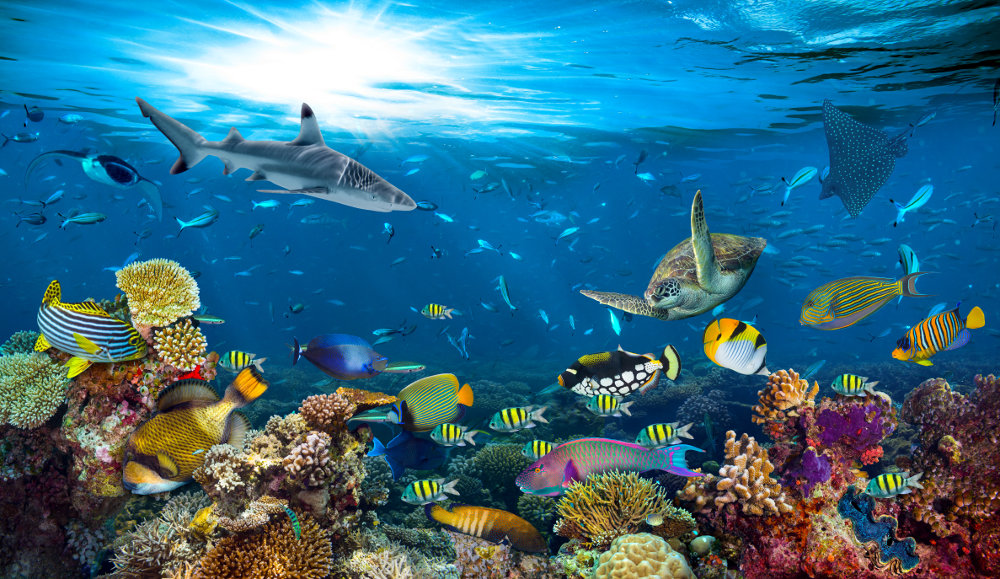
Explore the amazing biodiversity of sea life ! © Grafner | Dreamstime.com
Marine life is organized in the form of a tree, better known as a phylogenetic tree, where each branch, called a phylum, groups together marine species that share common characteristics.
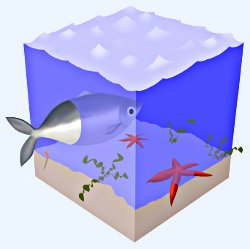
The main phyla of marine life we will explore are:
- the arthropods
- the bryozoans
- the cnidarians
- the echinoderms
- the marine mollusks
- the sponges
- the tunicates
- the marine plants
- the marine worms
- the marine vertebrates
In turn, the phyla are divided into classes and families.
The different phyla are arranged from the least to the most evolved, meaning that phyla containing the least evolved marine species are represented by the lower branches of the tree, while those containing the most evolved are found at the higher branches.
Consequently, the higher we climb in the branches of the marine life tree, the more evolved the species become.
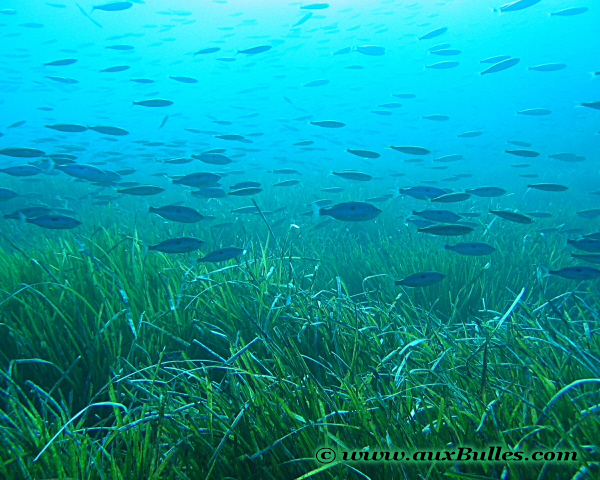
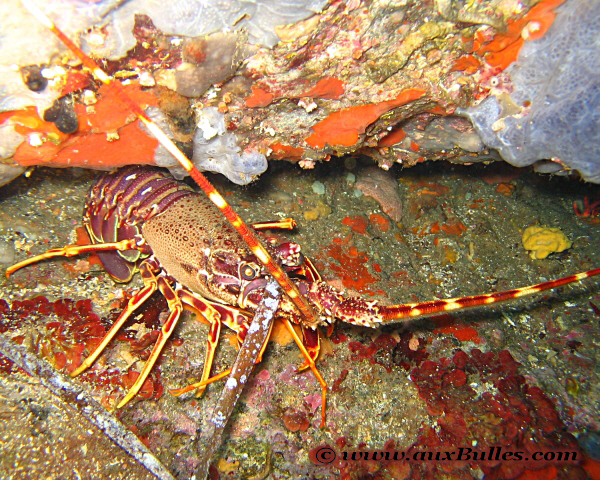
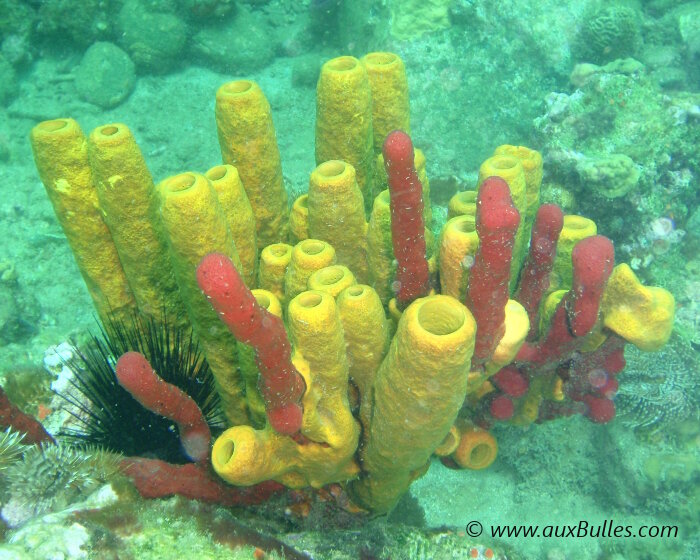
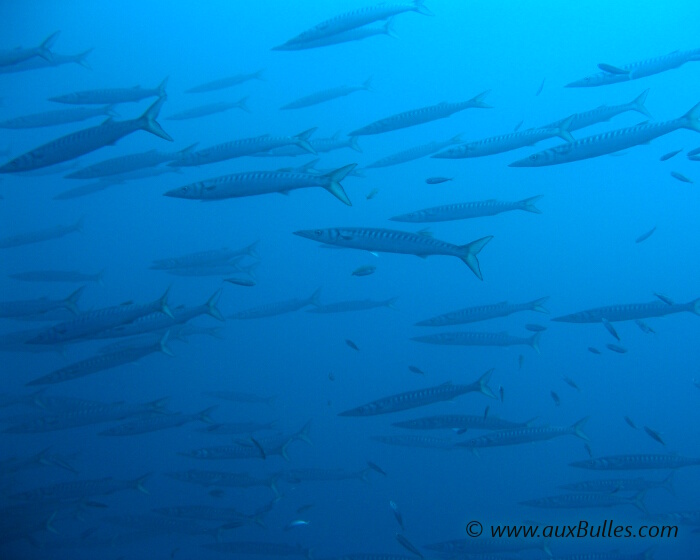
If you're looking for information on a specific alga, sponge, shellfish, crab, sea star, sea urchin, sea anemone or fish, we invite you to explore the full range of marine flora and fauna in our marine life guide !
Latest marine life updates
Explore the latest marine life news, from fascinating flora and fauna to underwater photo exhibitions, contests and festivals. Follow scientific expeditions, browse our identification guides and dive into must-read books.
Our latestUpdates
The Guide des poissons de Nouvelle-CalédonieDiscover Guide to the Fishes of New Caledonia by Pierre Laboute and René Grandperrin, an illustrated reference featuring nearly 1,200 species, from rivers and coral reefs to the depths of the ocean.Read more
The neon gobyDiscover the neon goby (Elacatinus oceanops), a small western Atlantic reef fish known for its brilliant blue stripe and its role as a cleaner fish that removes parasites from other fish.Read more

The poison gobyDiscover the poison goby (Gobiodon citrinus), a tiny reef fish with a bright yellow body and distinctive blue markings. It lives among branching Acropora corals in the tropical waters of the Indo-Pacific.Read more
Photo of the Day

Gorette bleue
(Haemulon sciurus)
(Haemulon sciurus)
 Copyright © 2007-2026 auxBulles.com - All rights reserved. Legal notices.
Photo credits - Our partners