

Sealife guideThe dusky sharkCarcharhinus obscurus
Last updated on 12/15/2025 at 11:25 PM

The dusky shark (Carcharhinus obscurus)
The dusky shark is one of the largest coastal sharks in the world. Long overlooked by the general public, it nevertheless plays a vital role in maintaining the balance of marine ecosystems. Powerful, elegant and widely distributed, this shark is as impressive for its size as it is for its discreet way of life.
Taxonomy
English names
Dusky sharkBlack whaler shark
French namesRequin sombre
Spanish namesTiburón areneroTiburón gambuso
Scientific nameCarcharhinus obscurus (Lesueur, 1818)
FamilyCarcharhinidae
OrderCarcharhiniformes
ClassElasmobranchii
Description
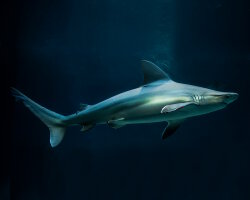
The dusky shark has a robust, streamlined body, perfectly adapted for long-distance swimming. It measures on average about 6.5 to 11.5 feet in length, but can reach a maximum size of 13.8 feet and weigh over 660 pounds, making it a large shark species.
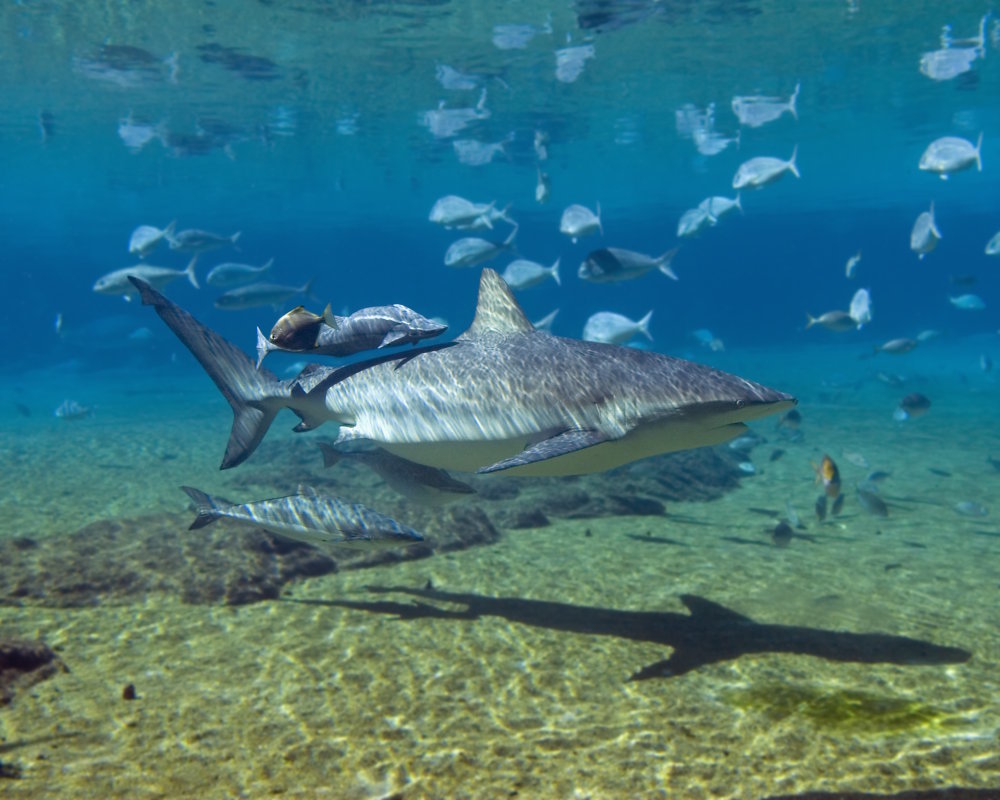
The dusky shark (Carcharhinus obscurus) © Ian Scott | Dreamstime.com
Its dark gray coloration on the back and lighter underside allows the dusky shark to effectively camouflage itself in the water thanks to countershading. Its long pectoral fins and asymmetrical tail fin provide excellent stability and powerful propulsion while swimming.
Geographic range
The dusky shark is found in tropical and warm temperate waters of the Atlantic ocean and the Indo-Pacific. It is also present in the Red sea.
Habitat
The dusky shark inhabits both coastal waters and the open ocean. Juveniles are often found in shallow coastal areas, while adults tend to roam offshore, sometimes at depths of several hundred feet.
Diet
The dusky shark is an opportunistic predator. It mainly feeds on bony fish such as tuna and mackerel, cephalopods like squid, as well as smaller sharks and rays. Its powerful jaws and serrated teeth are perfectly adapted to seize and cut fast, resilient prey.
Reproduction
This species is characterized by slow growth and late maturity, making it particularly vulnerable to overfishing. The dusky shark is viviparous: females give birth to well-developed pups after a gestation period of about 22 months, one of the longest among sharks. Litters usually consist of 2 to 18 pups, measuring between 28 and 39 inches at birth.
Did you know ?
The dusky shark is heavily impacted by commercial and recreational fishing, especially for its fins and meat. Its slow growth and late reproduction make population recovery difficult, highlighting the importance of conservation efforts to protect marine biodiversity.
The dusky shark is listed as many other marine species within The IUCN Red List of threatened species. The dusky shark appears in the IUCN Red List since 2019 within the category Endangered !
Within the same genus



Within the same family



Discover also


Our latestUpdates

The neon gobyDiscover the neon goby (Elacatinus oceanops), a small western Atlantic reef fish known for its brilliant blue stripe and its role as a cleaner fish that removes parasites from other fish.Read more

The poison gobyDiscover the poison goby (Gobiodon citrinus), a tiny reef fish with a bright yellow body and distinctive blue markings. It lives among branching Acropora corals in the tropical waters of the Indo-Pacific.Read more
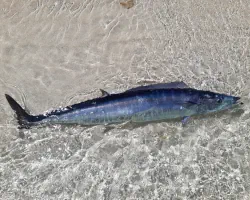
The wahooDiscover the wahoo (Acanthocybium solandri), a powerful pelagic predator found in tropical and subtropical oceans. Recognizable by its streamlined body and distinctive blue vertical stripes, it is a fast swimmer that feeds mainly on fish and squid.Read more
Photo of the Day
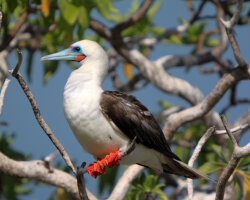
Fou à pieds rouges
(Sula sula)
(Sula sula)
 Copyright © 2007-2026 auxBulles.com - All rights reserved. Legal notices.
Photo credits - Our partners