A tropical paradise island among the thousands of islands in the Maldives
"Arriving in the Maldives and flying over the atolls is a moment of pure emotion."
A chain of islands
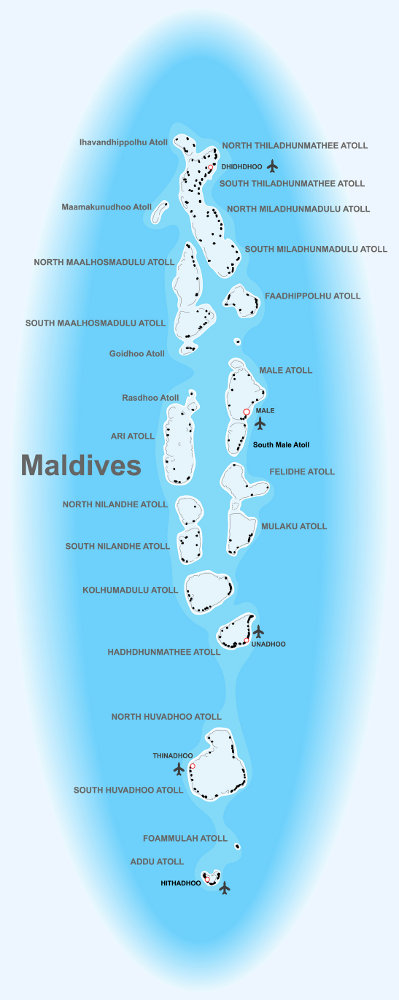
The Maldives — literally a chain of islands — are located in the Indian ocean, southwest off the southern tip of India and the island of Sri Lanka. The entire atoll system stretches over more than 500 miles from north to south and about 80 miles from east to west.
The Maldives, a chain of islands
A true hidden paradise in the heart of the Indian ocean, the Maldives consist of more than 1,200 small coral islands across 26 atolls, of which only around 200 are inhabited.
Addu Atoll – Located in the south, famous for spectacular diving and peaceful lagoons.
Ari Atoll – Known for its abundant coral reefs and whale shark sightings.
Baa Atoll – A UNESCO biosphere reserve, perfect for snorkeling and manta rays.
Faadhippolhu Atoll – Small, quiet islands with white sand beaches and diving spots.
Felidhoo Atoll – Ideal for authentic stays on less crowded islands.
Fuvahmulah Atoll – A unique single-island atoll, excellent for shark watching and deep diving.
Hadhdhunmathi Atoll – Large, wild atoll, perfect for explorers and diving enthusiasts.
Ihavandhippolhu Atoll – Northern atoll with pristine beaches and turquoise lagoons.
Kaashidhoo Atoll – Small atoll with local villages and good snorkeling spots.
Kolhumadulu Atoll – Known for clear waters and untouched coral reefs.
Maamakunudhoo Atoll – Isolated and peaceful, ideal for divers seeking tranquility.
North Maalhosmadulu Atoll – Northern atoll with diverse coral reefs and luxury resort islands.
Maalhosmadulu Atoll – Central atoll, a paradise for diving enthusiasts and idyllic beaches.
South Maalhosmadulu Atoll – Southern atoll, preserved with turquoise lagoons and deserted beaches.
Malé Atoll – Near the capital, easily accessible and full of water activities.
North Miladhunmadulu Atoll – Great destination for diving and marine life observation.
South Miladhunmadulu Atoll – Ideal for diving trips and relaxation on secluded beaches.
Mulaku Atoll – Less crowded atoll with beautiful snorkeling lagoons.
Nilandhe Atoll – White sand beaches and spectacular diving sites.
Rasdhoo Atoll – Small popular atoll with lively diving spots.
Thiladhunmathi Atoll – Northern atoll with rich reefs and spectacular snorkeling spots.
Thoddoo Atoll – Known for beaches and small local islands.
Toddoo Atoll – Perfect for quiet stays and a variety of water activities.
Vaadhoo Atoll – Famous for clear waters and colorful snorkeling spots.
Wattaru Atoll – Wild atoll, perfect for divers looking to escape the crowds.
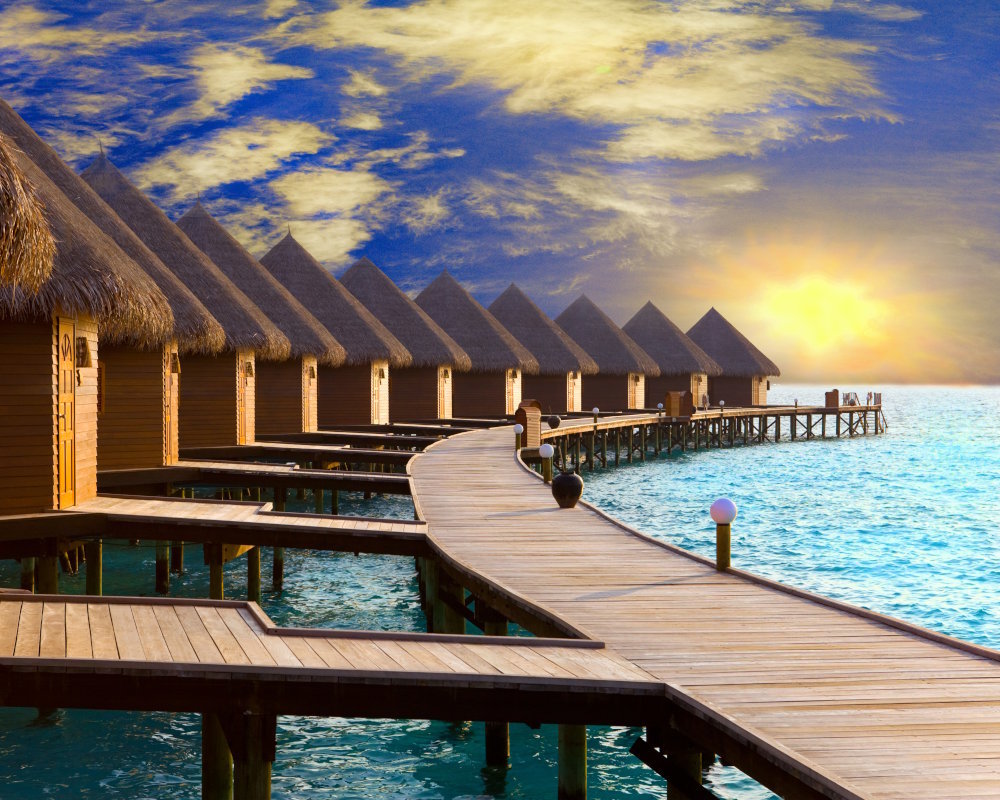
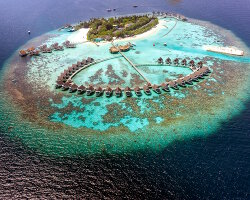
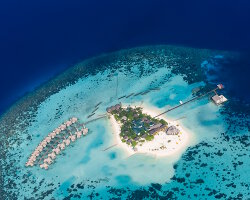
More than 80 islands across the archipelago have gradually embraced tourism, transforming themselves into dedicated resort islands. This distinctive concept is based on developing beachfront resorts that occupy the entire island. It has also helped popularize the iconic overwater villas, built above turquoise lagoons and offering direct access to coral reefs and an immersive experience surrounded by the marine environment.
Atolls shaped by coral reefs
A geography shaped entirely by coral
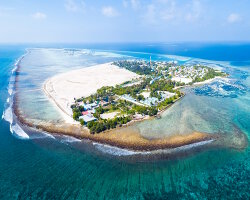
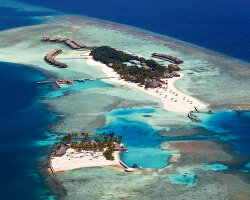
The Maldives owe their unique landscape to an extensive network of coral reefs that developed on a chain of underwater mountains in the Indian Ocean. The islands themselves account for only a tiny fraction of the country's territory, while reefs, lagoons, and channels make up the vast majority of the area. Each atoll consists of a group of islands and reefs surrounding a lagoon, generally connected to the open ocean by several channels that allow water and marine life to flow between them.
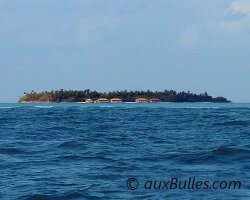
The Maldives with its 'resort islands'
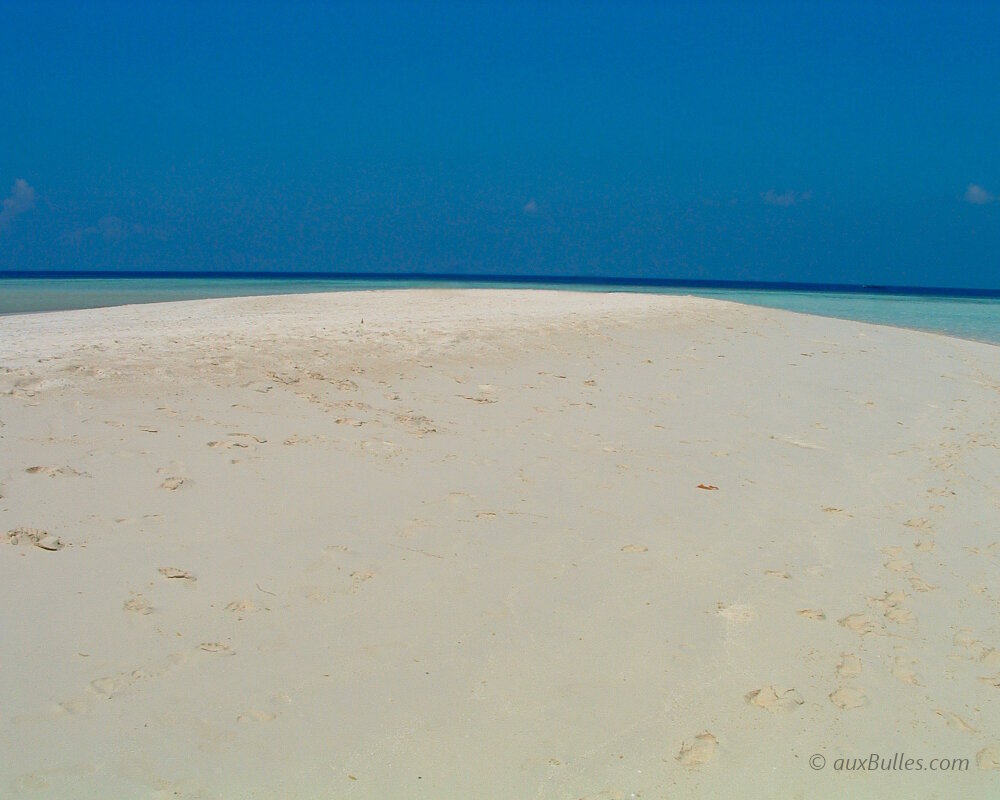
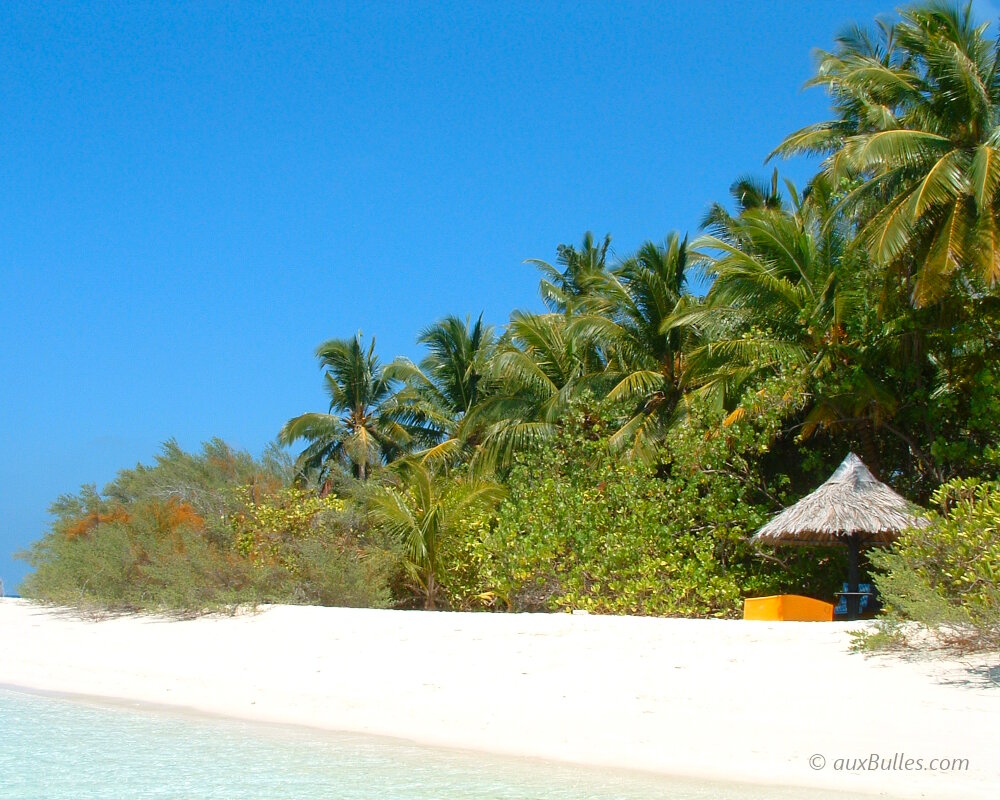
The Maldives with its white sand beaches
Low-lying islands surrounded by lagoons
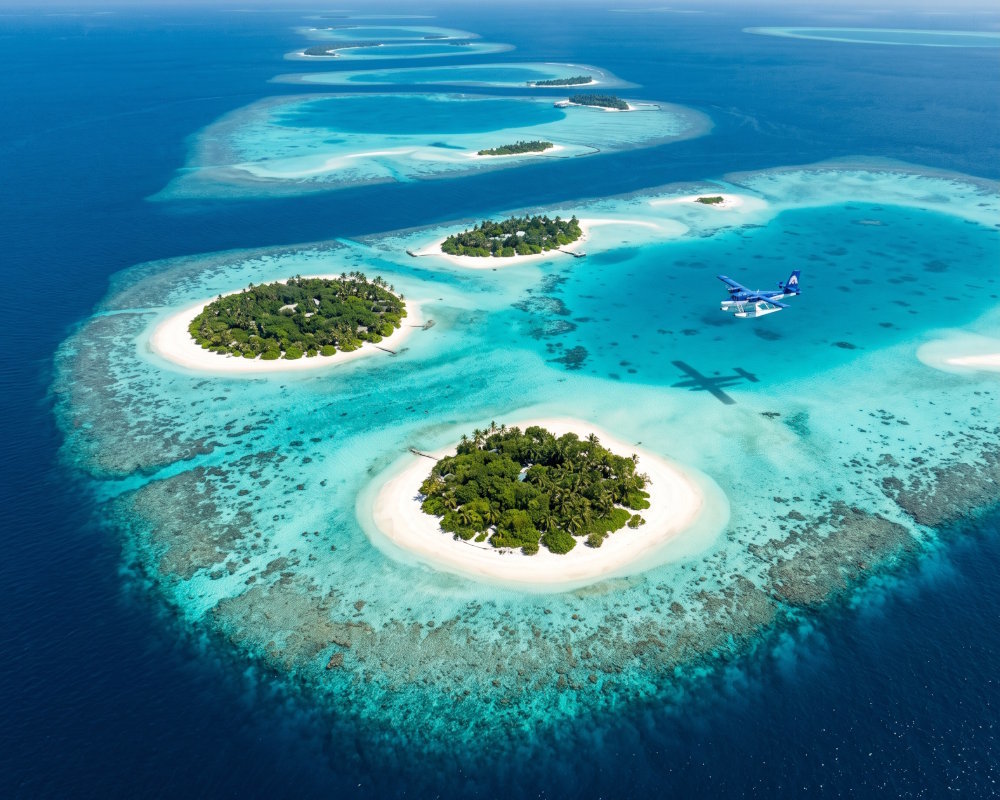
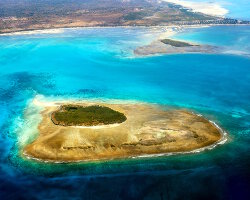
This configuration explains the distinctive appearance of the Maldivian landscape, with small white-sand islands surrounded by shallow waters in varying shades of blue. The reefs also play a vital role in protecting the coastline by dissipating much of the energy generated by ocean waves.
Exceptional marine biodiversity
Exceptionally rich coral reefs
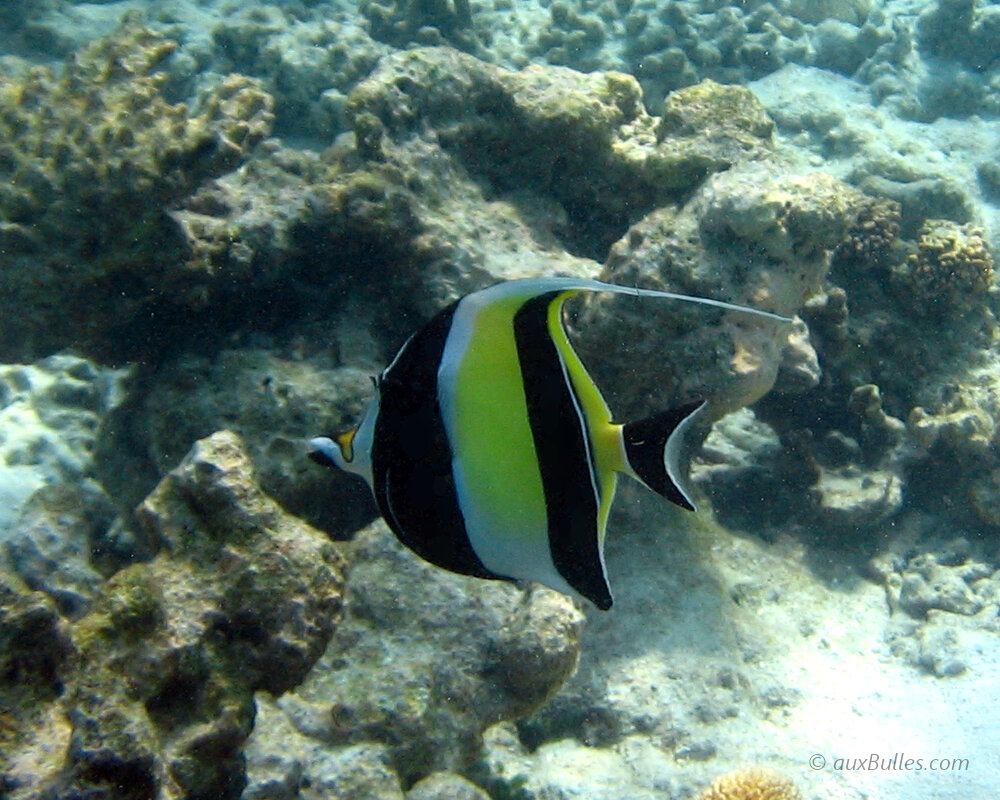
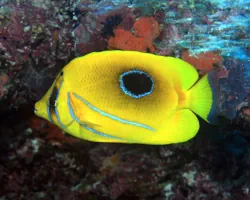
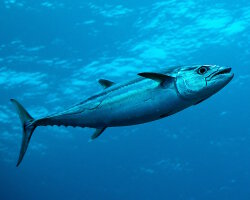
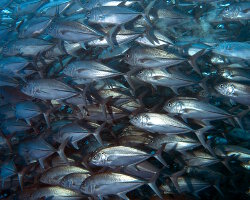
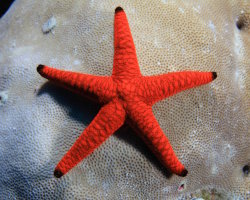
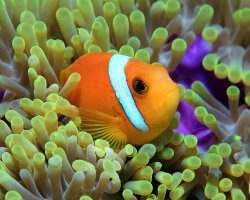
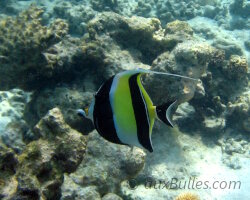
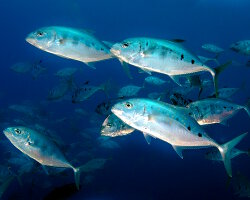
Coral reefs are at the heart of the Maldives' biodiversity. These true sanctuaries provide food, shelter, and breeding grounds for marine life, supporting a multitude of corals, marine organisms, and around 1 000 species of fish. This exceptional ecosystem accounts for nearly 5 % of the world's coral reefs.
Encounters with marine megafauna
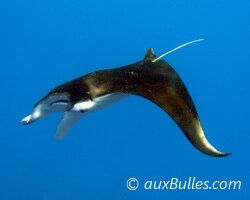
This abundance of life also attracts remarkable marine megafauna. Manta rays and whale sharks regularly inhabit the archipelago's waters, while divers and snorkelers can encounter reef sharks, sea turtles, rays, and countless tropical fish. Some areas are particularly renowned for seasonal manta ray aggregations, such as Hanifaru Bay in Baa Atoll, where currents concentrate the plankton on which they feed.
Seascapes shaped by the monsoons
Two main seasons
The climate of the Maldives is strongly influenced by the monsoons, which affect weather and marine conditions throughout the year. The wet monsoon brings more rainfall from May through November, while the period from January to March is generally drier. Conditions vary between these two seasons depending on the region of the archipelago and the prevailing winds.
Changing conditions for diving
These seasonal variations directly affect underwater visibility, currents, and the presence of certain pelagic species. Currents flowing through the atoll channels carry nutrients essential to reef ecosystems and attract marine megafauna. For divers, choosing the right season and atoll can therefore make a significant difference in underwater viewing conditions.
Inhabited islands and a culture shaped by the sea
A Population Spread Across the Islands
Beyond the resort islands, the Maldives have a rich local and cultural identity. Only a portion of the archipelago's islands are inhabited, and Maldivian communities have lived in close connection with the sea for centuries. Fishing, navigation, and the sustainable use of marine resources have played a central role in the history and everyday life of the archipelago.
The rise of the resort island concept
More than 80 islands across the archipelago have gradually embraced tourism, transforming themselves into dedicated resort islands. This distinctive concept is based on developing resorts that occupy the entire island. It has also helped popularize the iconic overwater villas, built above turquoise lagoons and offering direct access to coral reefs and an immersive experience surrounded by the marine environment.
Noonu Atoll
Cheval Blanc Randheli
An ultra-exclusive LVMH property, the ultimate benchmark for bespoke experiences and refined design.
Baa Atoll
Soneva Fushi
A pioneer in sustainable luxury, renowned for its « barefoot luxury » concept and enormous villas.
Tourism in the Maldives is no longer limited to resorts located on private islands. Guesthouses on inhabited islands now offer visitors a chance to experience everyday local life. The Ministry of Tourism currently recognizes several types of accommodation, including resorts, hotels, guesthouses, and liveaboard vessels, while national policies promote more sustainable tourism that is better integrated with local communities.
Kaafu Atoll
Maafushi
A pioneer of local tourism, renowned for its wide range of accommodations and lively atmosphere.
A major scuba diving destination, known for hammerhead sharks and abundant marine life.
North Malé Atoll
Thulusdhoo
A favorite destination for surf enthusiasts, renowned for its laid-back atmosphere.
North Ari Atoll
Ukulhas
Known for its rich coral reef, beaches, and strong commitment to environmental conservation.
North Ari Atoll
Thoddoo
Famous for its lush agricultural fields, peaceful atmosphere, and expansive secluded beaches.
Vaavu Atoll
Fulidhoo
Popular for its picturesque charm, sheltered lagoon ideal for ray encounters, and peaceful atmosphere.
South Malé Atoll
Guraidhoo
Popular for its surf sessions, channel diving, and opportunities to discover local handicrafts.
A top destination for water activities
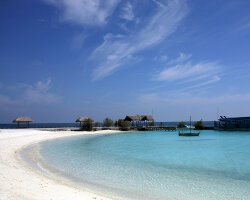
With white-sand beaches and turquoise lagoons, the archipelago is an ideal setting for relaxing, snorkeling, and water sports. Its exceptionally clear coral reefs are considered among the world's premier scuba diving destinations, offering unforgettable encounters with sharks, manta rays, and sea turtles.
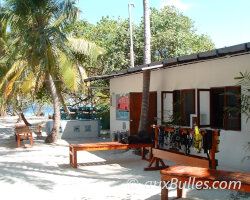
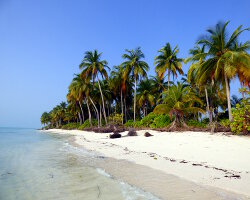
The Maldives with its white sand beaches and palm trees in the background
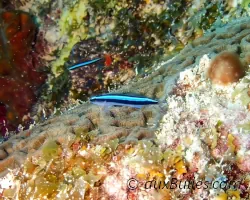
The Maldives and the richness of its marine life
How to get there ?
International flights
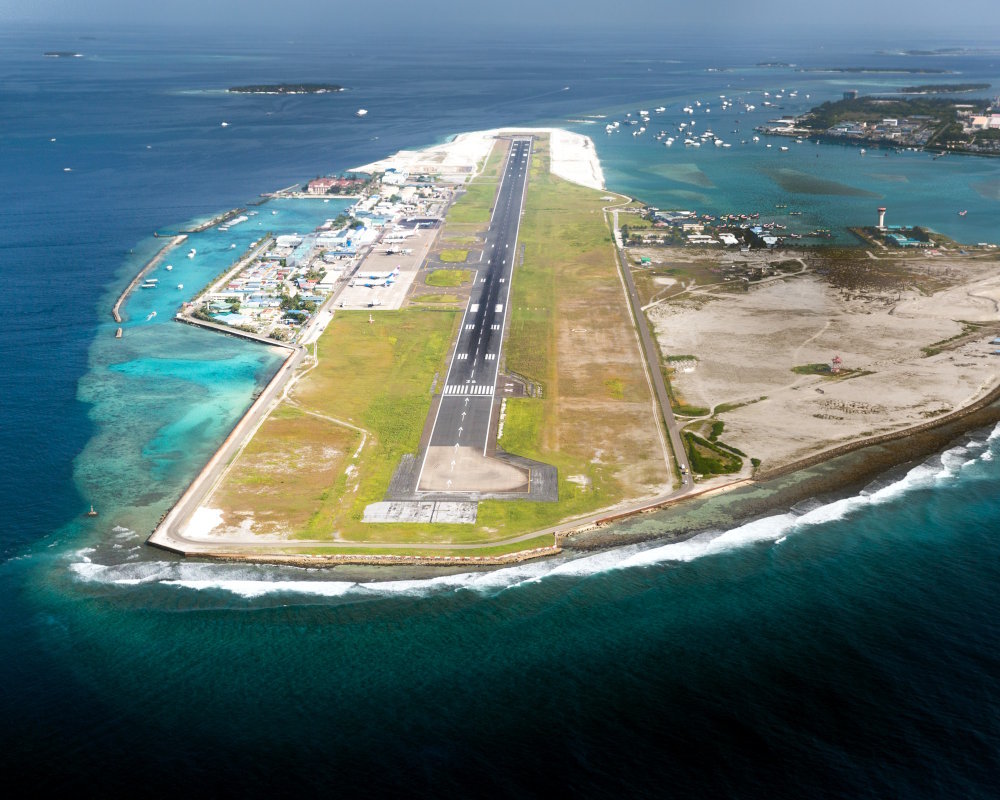
The Maldives are mainly accessible via Velana International Airport in Malé, located on Hulhulé island. Several airlines offer direct or connecting flights from Europe, Asia, and the Middle East. From the airport, it is possible to reach the different atolls and resorts via domestic flights, seaplanes, or speedboat transfers.
Once you arrive in Malé, most resort hotels on the islands arrange transfers from the airport. Options include speedboats for nearby islands and seaplanes for more distant atolls. These transfers often offer stunning aerial views of turquoise lagoons and atolls, providing your first glimpse of Maldivian paradise.
The experience of a boat transfer
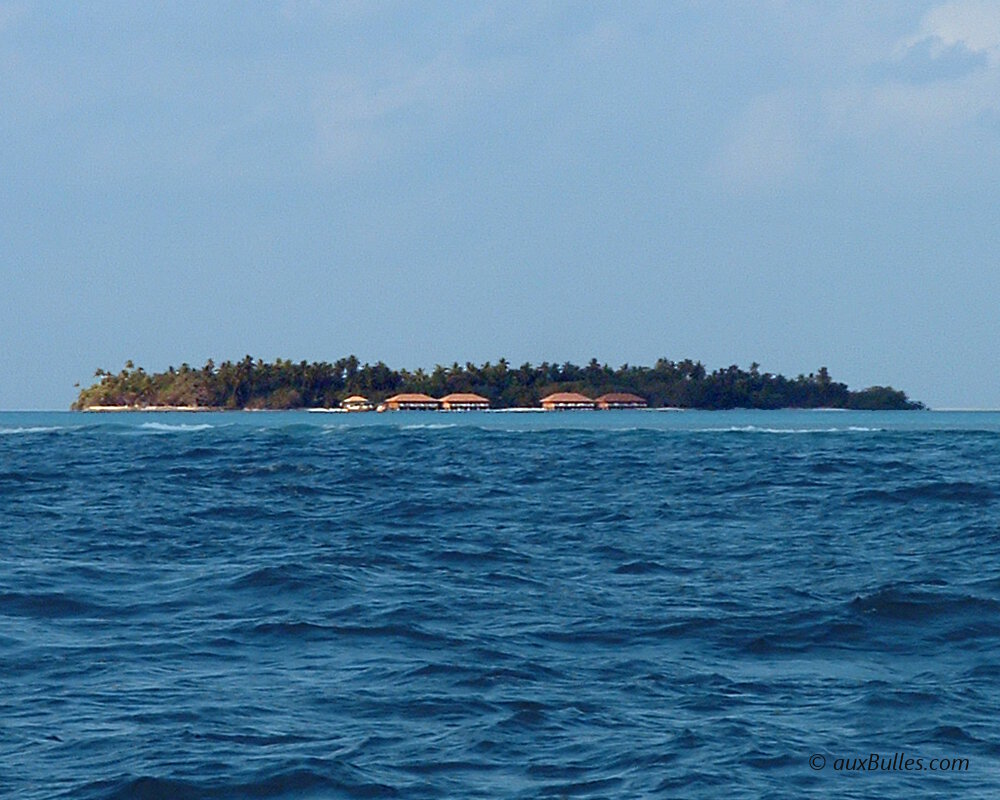
A boat transfer provides a first breathtaking immersion into the Maldives' marine environment. Cruising across the waters of the Indian Ocean offers a gradual and vivid introduction to the atolls, with the ever-changing waves and the possibility of spotting dolphins along the way. The highlight of the journey is crossing the passes, the natural channels that cut through the outer coral reef. The transition is immediate: the swells of the Indian Ocean suddenly give way to the calm, shallow waters of the lagoon, where the deep blue of the open ocean transforms into a dazzling palette of turquoise hues, signaling that arrival on the island is just around the corner.
The unique experience of a seaplane transfer
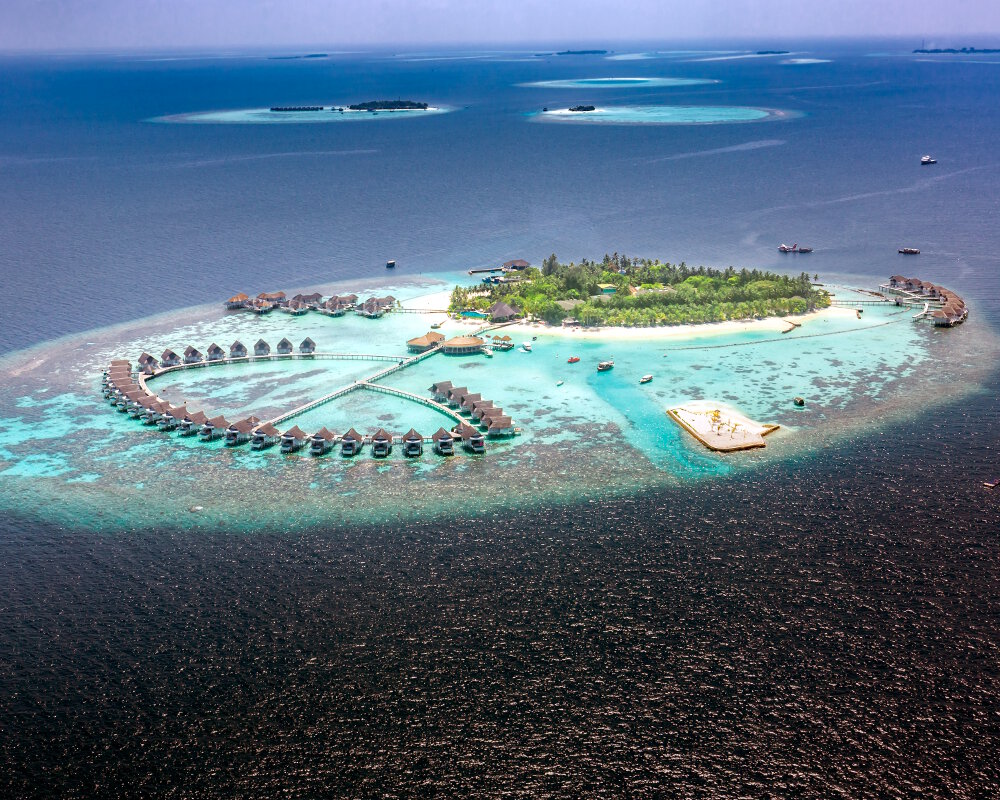
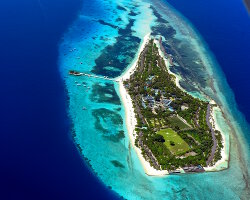
Considered one of the highlights of a trip to the Maldives, a seaplane transfer offers a breathtaking perspective on the archipelago's extraordinary geography. As soon as the aircraft takes off from the water, it rises above the Indian Ocean to reveal a spectacular panorama: an endless network of atolls, coral formations, and lagoons shimmering in shades ranging from deep blue to emerald green. Flying at low altitude, these iconic aircraft turn what could be a simple transfer into a truly scenic flight, offering spectacular views of coral reef rings and tiny, scattered islands surrounded by crystal-clear waters.
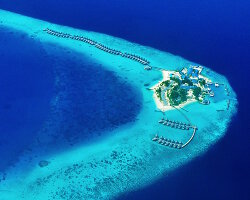
Aerial view of the Maldives atolls, with their coral islands and turquoise lagoons, as a seaplane flies overhead







 Copyright © 2007-2026 auxBulles.com - All rights reserved. Legal notices.