Islands destinationSeychelles islandsIndian Ocean
Last updated on 08/26/2026 at 10:27 PM
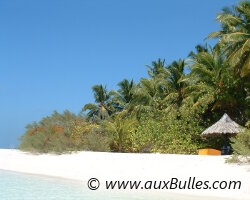
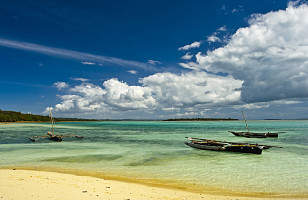
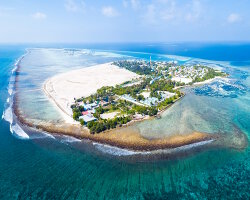
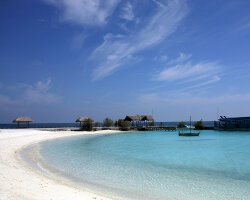
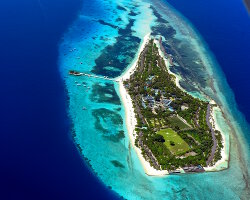
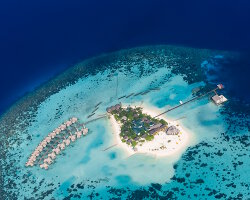
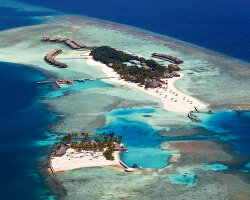
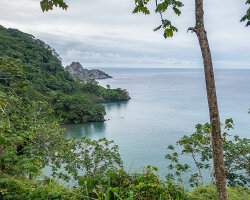
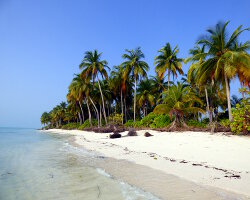
The Seychelles, a vast archipelago of 115 islands scattered across the Indian ocean, offer a postcard-perfect setting with white sandy beaches lined with palm trees, turquoise waters, and exceptional wildlife. A dream destination for travelers seeking relaxation and adventure, these islands charm visitors with their pristine nature, pleasant climate, and warm hospitality.

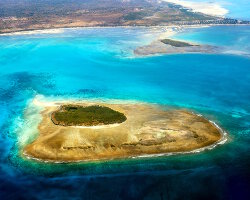
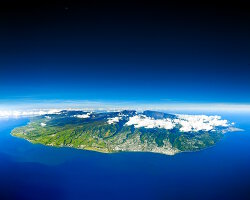
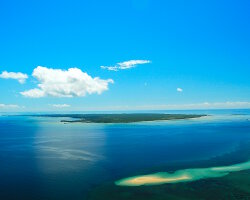
The Seychelles are a vast archipelago of islands scattered across the Indian ocean
A bit of history
The Seychelles were uninhabited until they were discovered by Arab and European navigators in the 16th century. Colonized in 1770 by a French expedition composed of Europeans, Indians, and Africans, the Seychelles were ceded to Great Britain following the ratification of the Treaty of Paris in 1814, after Napoleon's defeat at Waterloo. In 1976, after a century of British rule, the Seychelles became an independent republic within the Commonwealth.
Since then, the Seychelles have been a stable republic, recognized for their environmental preservation and high-end tourism.
A lost paradise in the heart of the ocean
Located south of the equator, the Seychelles are an archipelago whose closest island lies about 300 miles east of the African coast, and the entire territory spans a vast maritime area of over 540,000 square miles. However, the total land area amounts to only about 180 square miles, highlighting the dispersion and uniqueness of this island group.
The islands of the Seychelles archipelago are divided into two main groups according to their geological origin:
- on one hand, the inner islands, of granitic origin and among the oldest
- and on the other hand, the outer islands, composed of atolls and coral islets
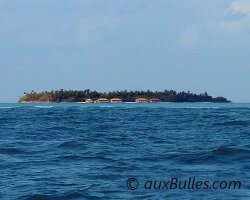
Less known or less touristy but equally wonderful, there are also islands with evocative names such as
Félicité, Frégate, Silhouette, and
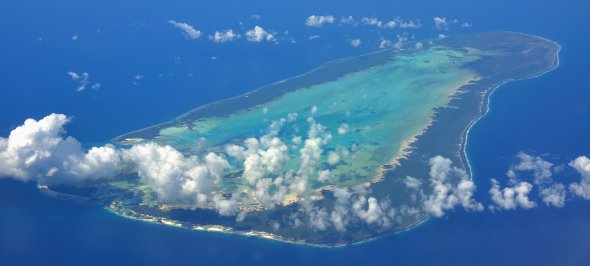
Bird. Among these Indian Ocean pearls lies a UNESCO World Heritage jewel: the
Aldabra Atoll.
A haven for nature lovers
The Seychelles are home to remarkable biodiversity, with terrestrial and marine national parks protecting rare and endemic species.
Praslin island is famous for the Vallée de Mai, a UNESCO World Heritage site where the legendary coco de mer, the largest seed in the plant kingdom, grows. On
La Digue island, the Union Estate Reserve allows visitors to observe giant tortoises in the wild, while the
Aldabra Atoll, one of the largest coral reefs in the world, is a unique natural sanctuary.
Paradisiacal beaches
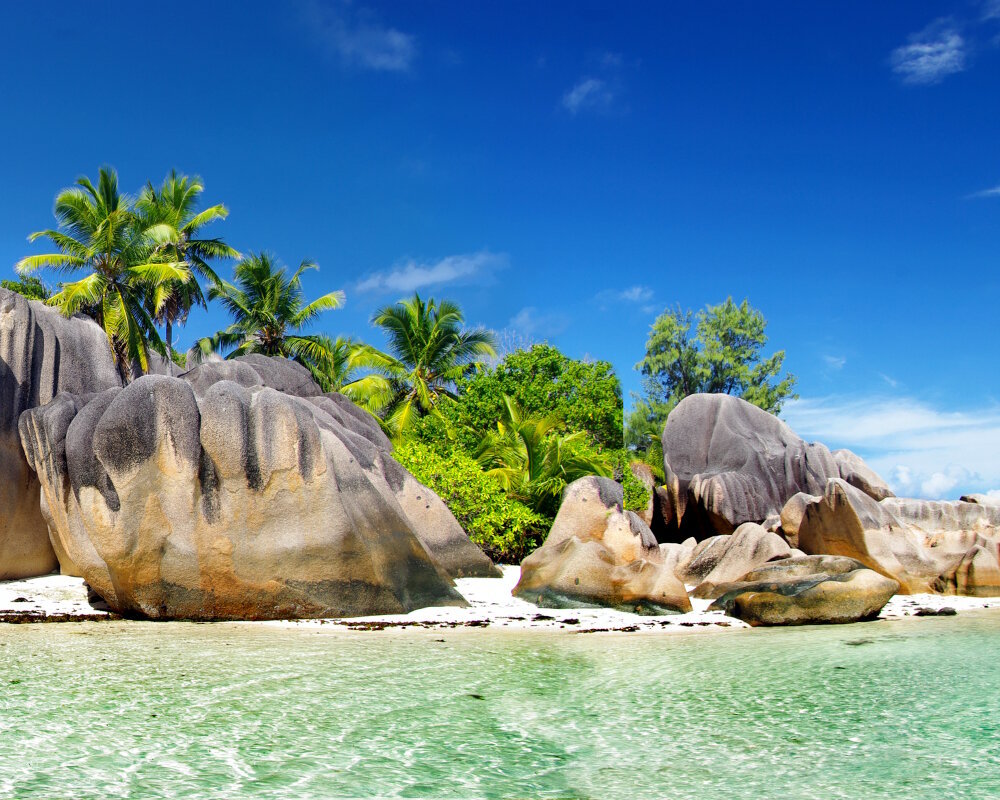
The Seychelles are world-renowned for their paradisiacal beaches. Among the most famous are Anse Source d'Argent on
La Digue, with its granite rocks sculpted by time, and Anse Lazio on
Praslin, ideal for swimming and snorkeling.
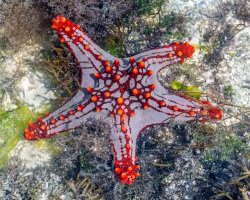
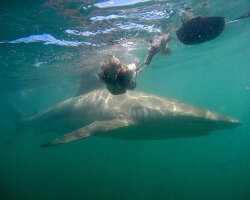
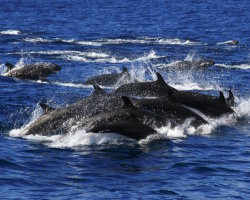
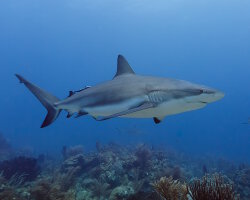
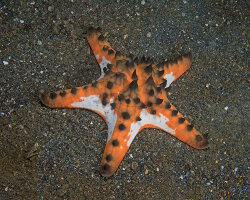
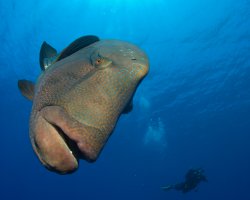
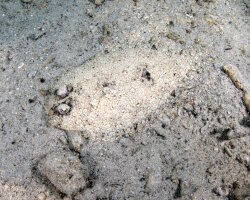
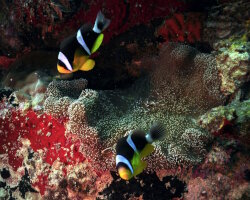
The archipelago is also a playground for scuba diving enthusiasts, with coral reefs hosting spectacular
marine life. Big-game fishing, kayaking, hiking on
Mahé in the Morne Seychellois National Park, or catamaran cruises complete the list of must-do activities.
Creole culture and cuisine
The Seychelles have a rich culture influenced by African, Asian, and European traditions. Seychellois are welcoming and proud to share their heritage through music, dance, and Creole cuisine. Typical dishes, such as fish curry with coconut milk, grilled seafood, and spicy chutneys, will delight food lovers.
For an authentic experience, do not miss the colorful markets in Victoria, the smallest capital in the world, where spices, exotic fruits, and local crafts come together.
How to get there ?
The Seychelles are mainly accessible by plane. Seychelles International Airport (SEZ), located on the main island of
Mahé, receives direct flights from major cities around the world, including Paris, Dubai, Doha, Nairobi, and Johannesburg. The main airlines serving the Seychelles include Air Seychelles, Emirates, Qatar Airways, Ethiopian Airlines, and Air France.
From
Mahé, it is possible to reach the other islands by boat, plane, or helicopter, notably
Praslin and
La Digue, which are popular destinations. For more remote islands, domestic flights and catamaran excursions are available.
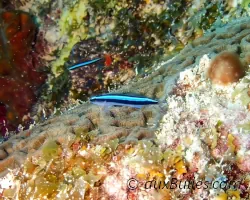
The marine species in the Seychelles
Seychelles islands
The islands from indian ocean
The islands from indian Ocean
Explore new islands