

Sealife guideThe Aetobatidae familyThe taxonomy of marine species
Explore the taxonomy of the sea vertebrates including the cetaceans like the whales or the dolphins, the sea birds, the fish, the sharks and the sea turtles !
The order Myliobatiformes includes a wide group of rays that are mainly benthic and pelagic, encompassing stingrays, eagle rays, and manta rays. Found in all of the world’s oceans, from shallow coastal waters to open seas, they are characterized by their flattened, disc-shaped bodies and enlarged pectoral fins that form broad “wings” in some species. Many have slender tails equipped with one or more venomous stingers used for defense, although some species such as manta rays lack them. They inhabit a wide range of environments, from sandy and muddy seabeds to open pelagic zones, and display diverse lifestyles ranging from discreet bottom-dwelling behavior to active swimming in open water. Their diet is equally varied, ranging from benthic invertebrates and small fish to, in some species, plankton filtered from the water column.
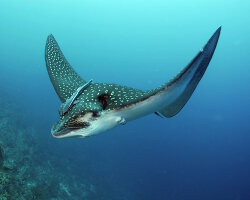
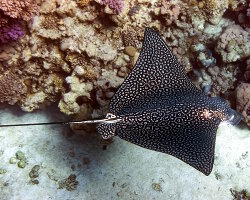
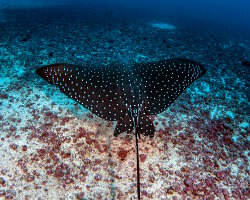
The Aetobatidae family includes the leopard rays, which were previously classified under Myliobatidae family. They are distinguished by their long, protruding snouts, slender bodies and characteristic spotted patterns. These powerful swimmers inhabit open water and primarily feed on mollusks and crustaceans, which they crush using strong dental plates.
Our latestUpdates
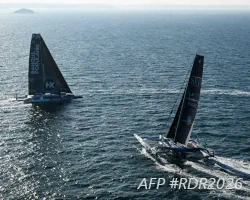
Major movesThe 2026 Route du Rhum enters a decisive phase as Tom Laperche extends his lead in the Ultim class, Armel Le Cléac'h capsizes, and Class40 skippers prepare to face a powerful weather front.Read more
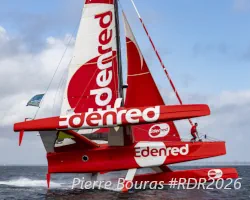
A tough startThe 2026 Route du Rhum gets off to an intense start, with major technical failures, Francis Joyon's capsize, impressive speeds and strategic route choices near the Azores. A look back at the first 48 hours of racing.Read more

A smooth start, an uncertain AtlanticDiscover the 2026 Route du Rhum start off Saint-Malo, where favorable initial conditions contrast with an uncertain Atlantic crossing shaped by changing winds and weather.Read more
Photo of the Day

Méduse pélagique
(Pelagia noctiluca)
(Pelagia noctiluca)
 Copyright © 2007-2026 auxBulles.com - All rights reserved. Legal notices.
Photo credits - Our partners