

Florida Travel GuideMiami, in the footsteps of Vice City and GTA VIMiami | Florida
Last updated on 11/16/2026 at 07:34 PM
Miami and Grand Theft Auto (GTA) have shared a special connection for nearly thirty years. With its palm-lined beaches, Art Deco hotels, skyscrapers, vibrant neighborhoods, and lively nightlife, this Florida metropolis provides the perfect inspiration for the larger-than-life world of the famous video game. Known by the fictional name of Vice City, Miami has become one of the most recognizable cities in the series.
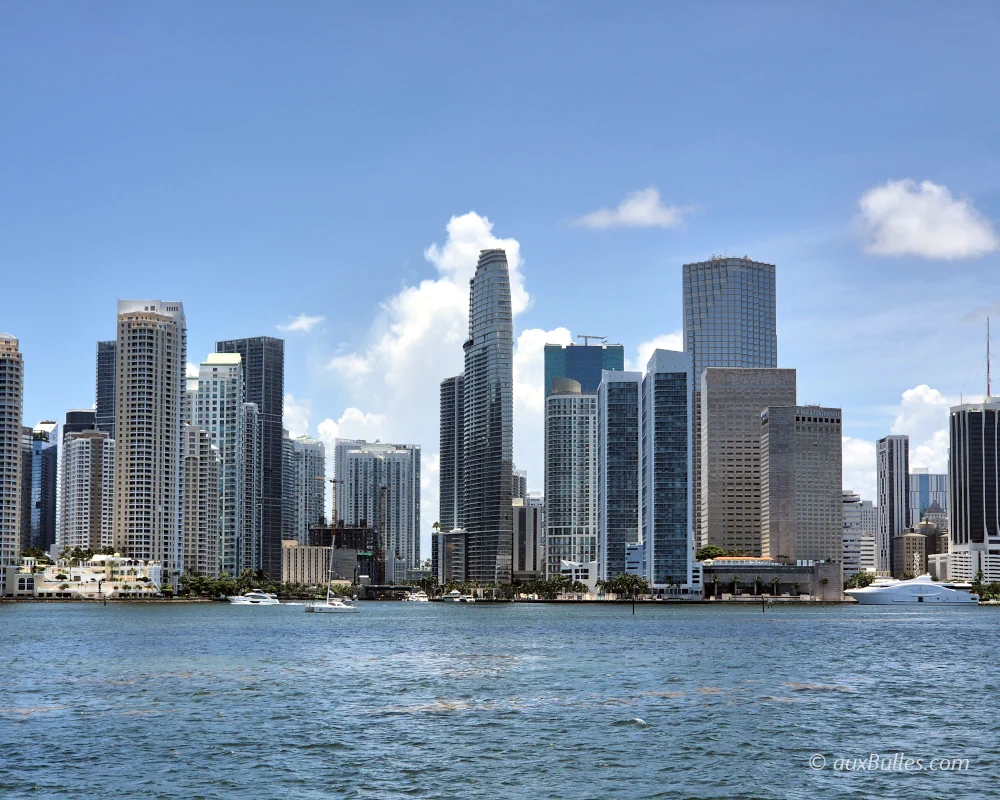
Miami and its skyline, between the real city and the virtual world of Vice City
With the worldwide release of Grand Theft Auto VI, scheduled for November 19, 2026, Rockstar Games brings players back to a spectacular version of this iconic city. The virtual environments draw on many elements of real-life Miami, from the colorful facades of South Beach to the modern neighborhoods of Downtown, as well as the islands, ports, and tropical landscapes of Florida. It's an opportunity to discover the city from a different perspective, somewhere between reality and fiction.
Miami, an inspiration since the 1990s
Vice City's first appearances
The story began in 1997 with the first Grand Theft Auto. The game already featured a fictional city called Vice City, inspired by Miami, although its graphics were still a far cry from the detailed environments of modern installments. It was really with Grand Theft Auto: Vice City, released in 2002, that this inspiration came fully to life.
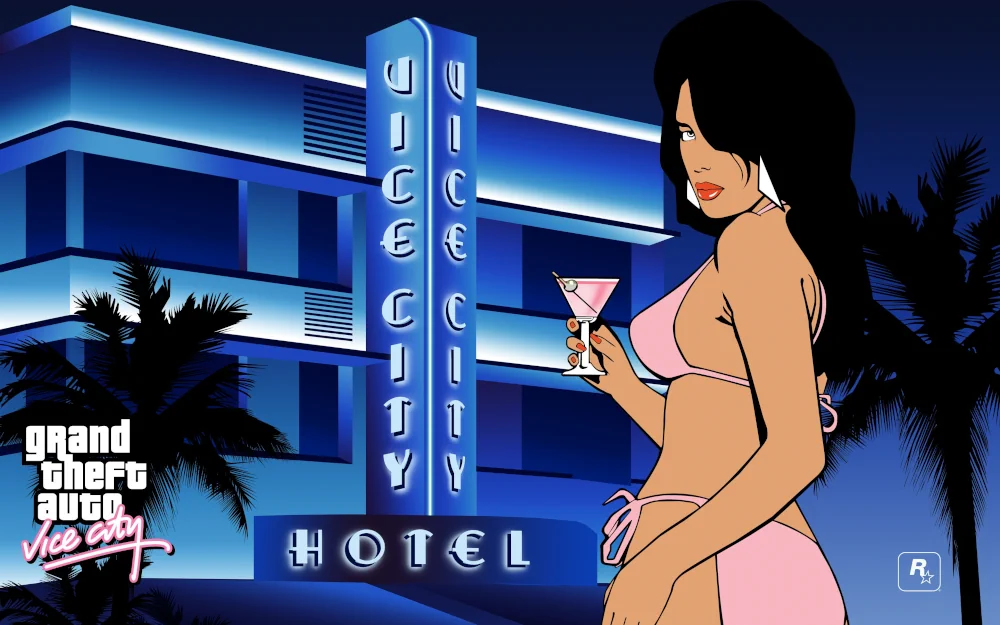
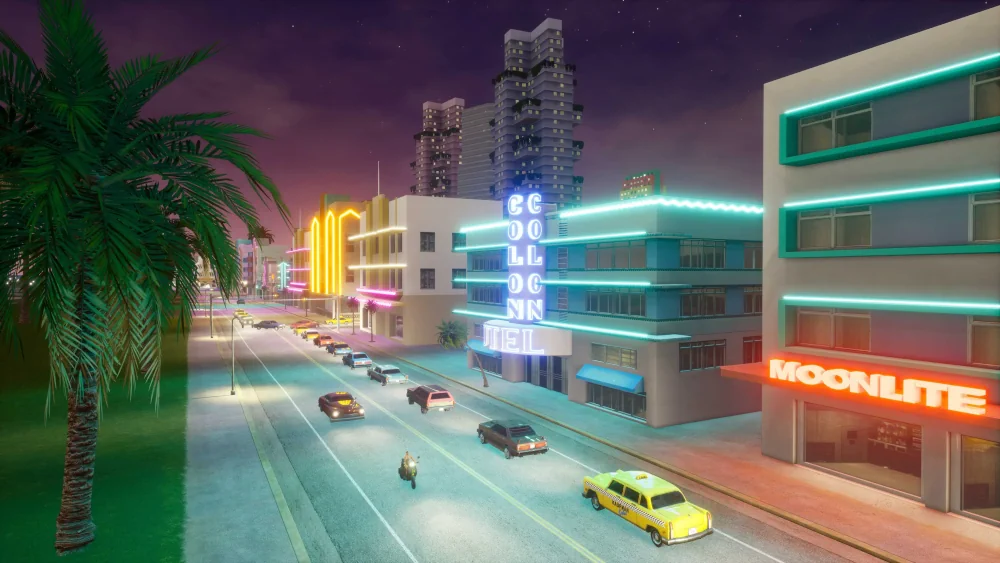
To create this new world, Rockstar's teams traveled to Miami to study its architecture, atmosphere, and different neighborhoods. The game recreates the city in the 1980s, specifically in 1986, a period marked by the growth of luxury tourism, nightclub culture, and the rise of drug trafficking. The TV series Miami Vice and the movies Scarface and Carlito's Way were among the cultural references cited by the developers.
A city between glamour and crime
This choice was no coincidence. Miami has two particularly contrasting sides : one of sun-soaked beaches, prestigious hotels, yachts, and luxury cars, and another marked by social inequality, illegal trafficking, and crime. This combination provides fertile ground for GTA's satirical universe. The fictional city allows the developers to parody certain aspects of American society while retaining an instantly recognizable visual identity.
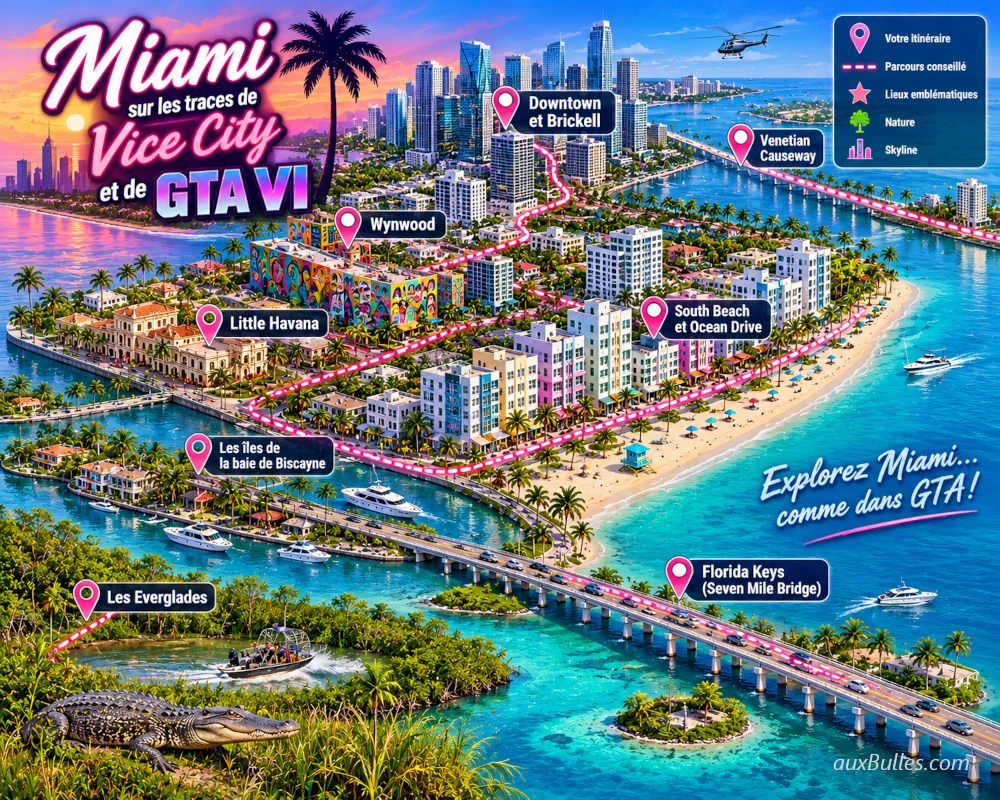
A route through Miami and its iconic landmarks, from South Beach to the Everglades, following in the footsteps of Vice City and GTA VI
More than twenty years after the first Vice City, this connection continues with GTA VI. The fictional metropolis once again bears the name Vice City, but is now part of a much larger territory, the imaginary state of Leonida, directly inspired by Florida. The game therefore goes beyond simply recreating Miami : it also features the Keys, the Everglades, marshlands, and coastal landscapes in the southern part of the state.
South Beach and Ocean Drive, postcard-perfect Miami
Miami Beach's Art Deco hotels
This is probably the area most immediately recognizable in the images of GTA VI. Located along the oceanfront of Miami Beach, the South Beach neighborhood is famous for its Art Deco buildings, constructed mainly between the 1920s and 1940s. Their pastel-colored facades, geometric lines, illuminated signs, and distinctive architectural details have become a visual signature of the city.
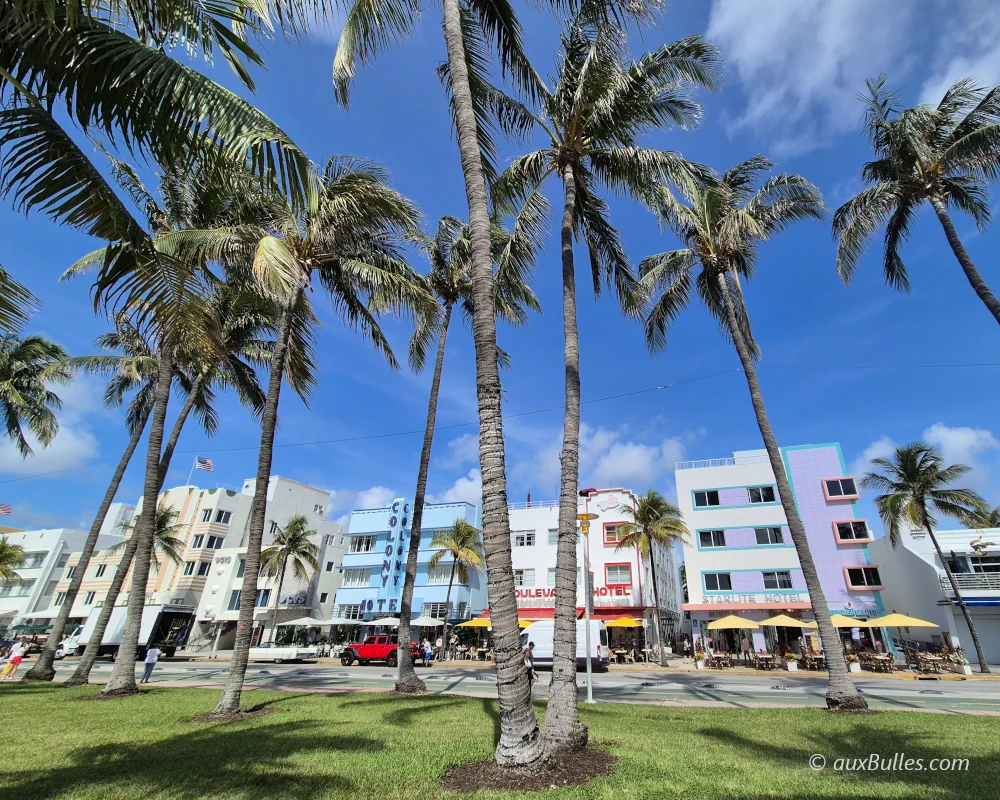
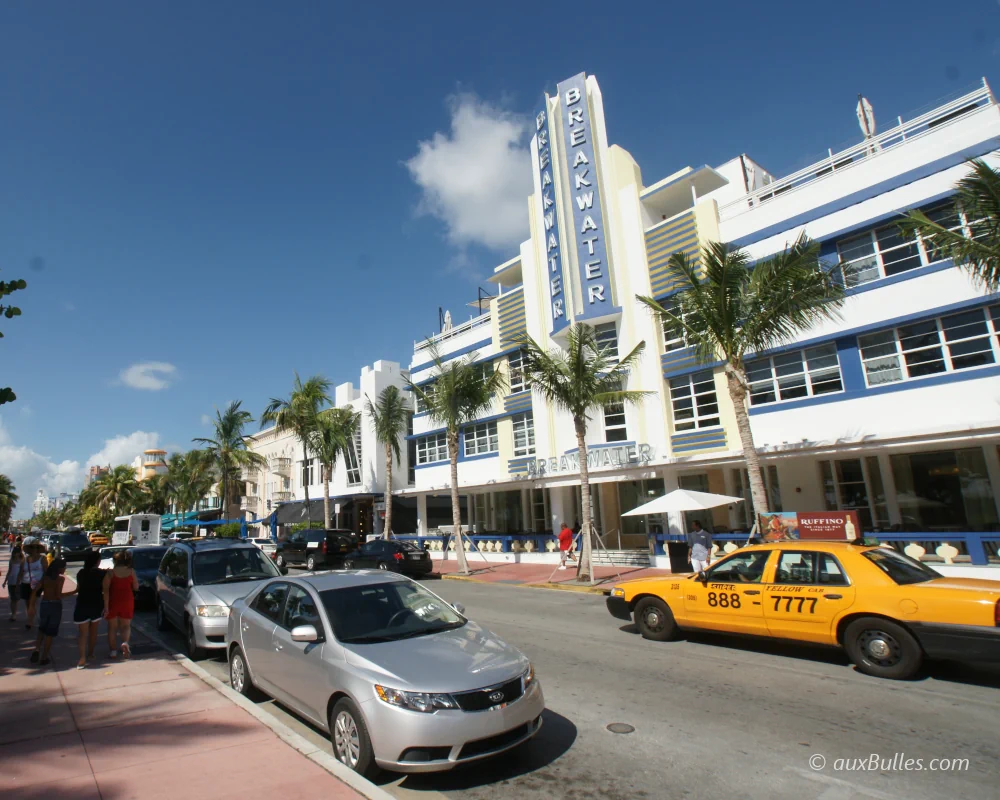
The avenue known as Ocean Drive, which runs alongside Lummus Park and the beach, is one of the most recognizable settings. Several real-life establishments have been compared with their virtual counterparts : the Breakwater Hotel, Hotel Victor, Loews Miami Beach, and Clevelander Hotel. In the game's images, some of these buildings appear under different names, such as the Boardwalk or Hotel Dixon. These comparisons are based on an analysis of images released by Rockstar, rather than an official list of locations published by the studio.
An iconic architectural style
The colorful sidewalks, palm trees, restaurant patios, and sports cars cruising along the oceanfront all contribute to this highly recognizable image. This atmosphere had already played a major role in the success of Vice City in 2002. In GTA VI, the buildings are far more detailed, and the environment benefits from a considerably higher level of visual realism.
Downtown and Brickell, skyscrapers and wide avenues
Miami's financial district
West of Miami Beach, across Biscayne Bay, Downtown Miami and Brickell offer a radically different side of the city. Office towers, contemporary residential buildings, and wide avenues create a vertical urban landscape that contrasts with the low-rise buildings of South Beach.
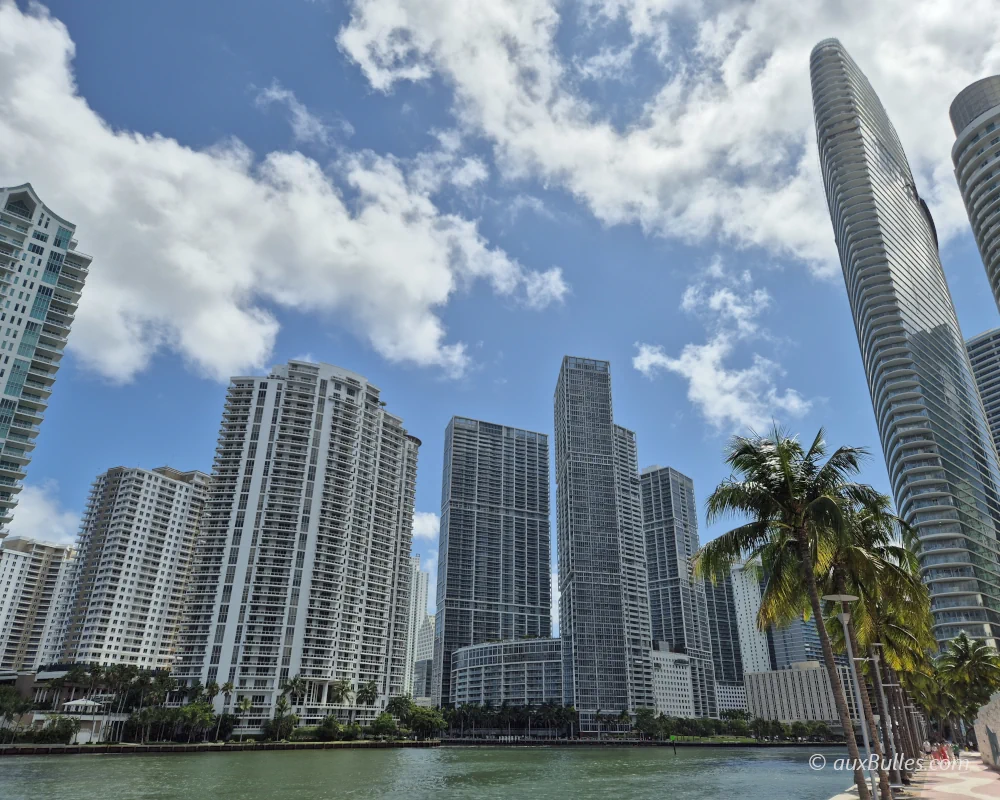
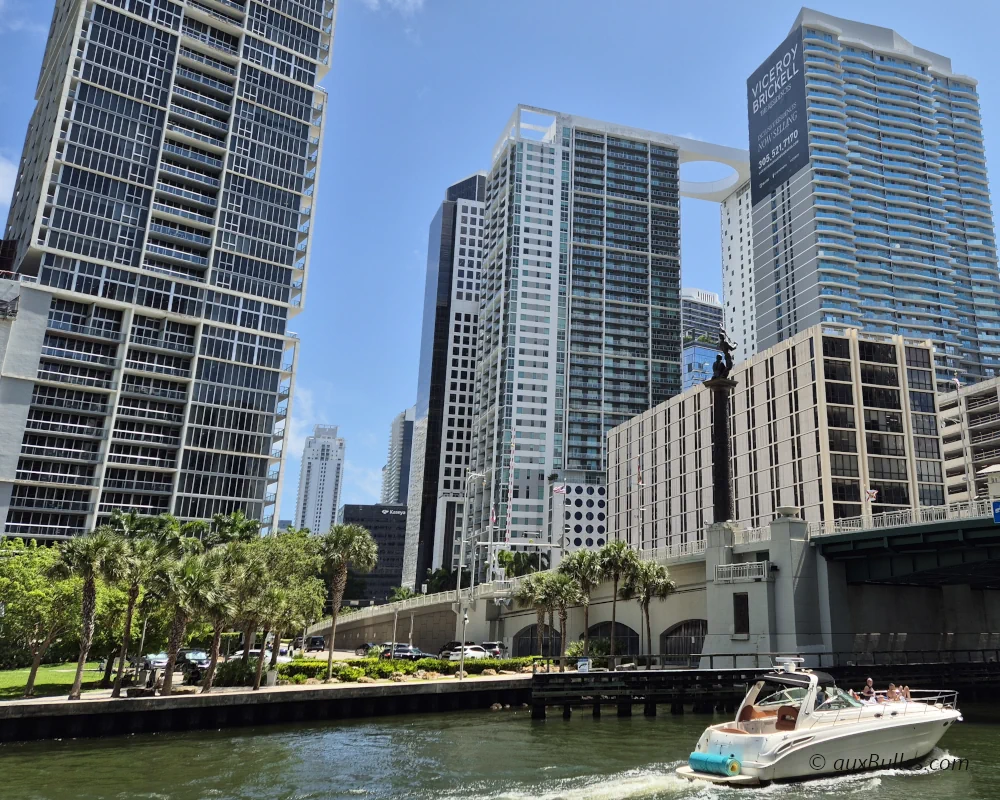
Several skyscrapers are recognizable in the GTA VI trailers. One example is the 500 Brickell complex, identifiable by its two towers and their distinctive circular openings. The Port of Miami area, with its imposing loading and unloading cranes and the silhouette of skyscrapers in the background, also appears in the game's landscapes.
Bridges and roadways
The bridges connecting Downtown to Miami Beach are another important feature of the scenery. The MacArthur Causeway, Venetian Causeway, and Julia Tuttle Causeway cross the bay, offering spectacular views of the buildings and turquoise waters. Their virtual counterparts also appear in several trailer sequences. Some towers also appear to be inspired by Marquis Residences, a building located along Biscayne Bay, visible on the left when heading toward Downtown Miami via the MacArthur Causeway and recognizable by its large vertical rectangular opening.
In the game, street and neighborhood names are changed. For example, Catalan Boulevard appears to borrow certain features from Biscayne Boulevard, one of Downtown Miami's main thoroughfares. However, distances, building locations, and street layouts have been adapted to fit the virtual map.
Wynwood and Little Havana, Miami's vibrant neighborhoods
Wynwood, the street art capital
North of Downtown, Wynwood has become one of Miami's trendiest neighborhoods. Once an industrial and commercial district, it has gradually transformed into a vast urban art destination. Its identity is shaped by walls covered in monumental murals, galleries, studios, and converted warehouses.
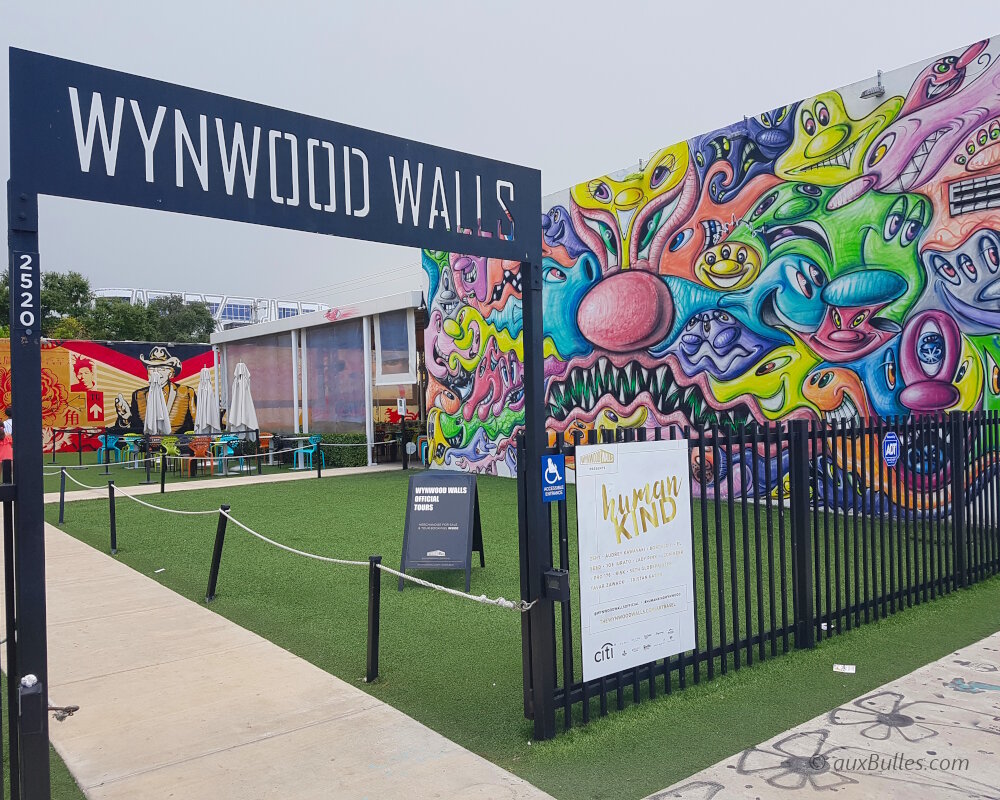
Colorful murals make Wynwood one of Miami's must-see neighborhoods for street art
This atmosphere can also be found in the settings of GTA VI, where painted walls, industrial buildings, and lively streets are clearly reminiscent of the real-life Wynwood neighborhood. Some environments bear striking similarities to fictional locations such as Stockyard.
Little Havana, at the heart of Cuban culture
Further west, Little Havana is one of Miami's most distinctive neighborhoods. It is a major center of Cuban and Latin American culture, with its restaurants, cafes, traditional shops, and gathering places. Calle Ocho, or Southwest 8th Street, is its most famous thoroughfare. Highlights include Cuban coffee shops, cigar stores, and Máximo Gómez Park, nicknamed Domino Park, where locals gather to play dominoes.
In GTA VI, this neighborhood has a fictional counterpart in Little Cuba. The resemblance goes beyond architecture and storefronts : it also extends to the street atmosphere, cultural diversity, and the importance of the Latino community in everyday life.
From the islands to the Everglades, exploring Florida's great outdoors
The islands and bridges of Biscayne Bay
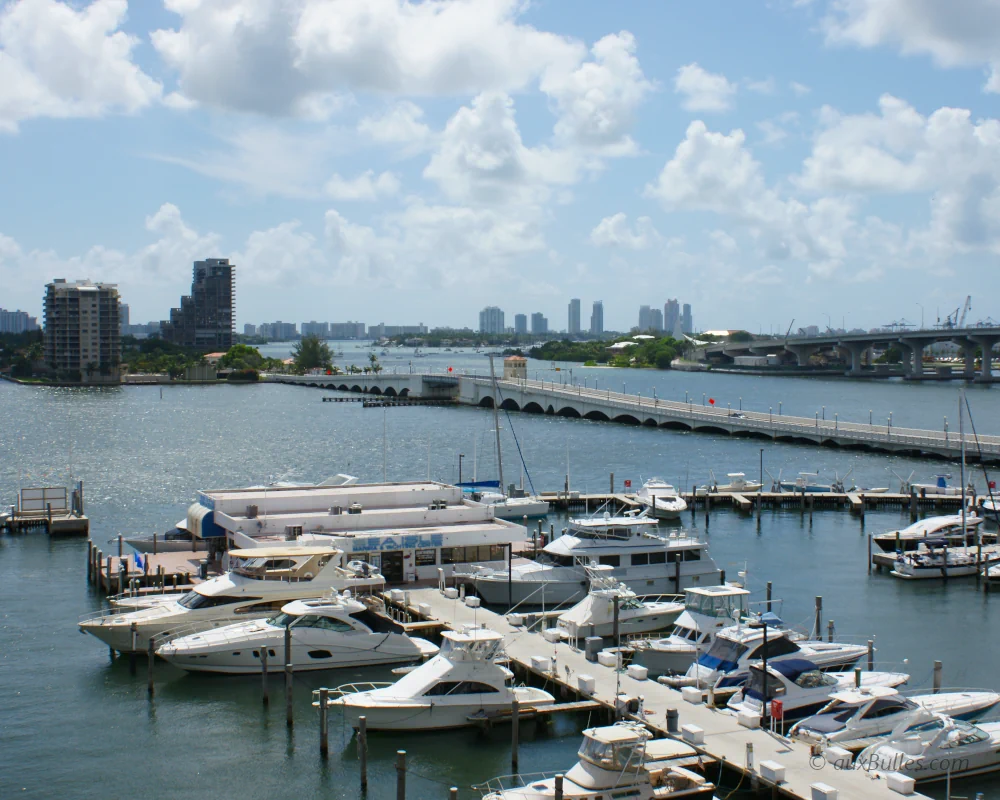
Miami is more than just its urban center. Biscayne Bay is dotted with numerous residential islands connected to the mainland by bridges. The Venetian Islands, accessible via the Venetian Causeway, offer a characteristic landscape of waterfront homes, marinas, and buildings. Further south, Key Biscayne and Virginia Key also have their own distinctive landscapes.
These island environments can also be found in the landscapes of GTA VI, with several trailer scenes evoking the Rickenbacker Causeway, which connects the mainland to Virginia Key and then Key Biscayne. Elevated roadways, shallow waters, and panoramic views across the bay are all part of the region's visual identity.
The Florida Keys and the Seven Mile Bridge
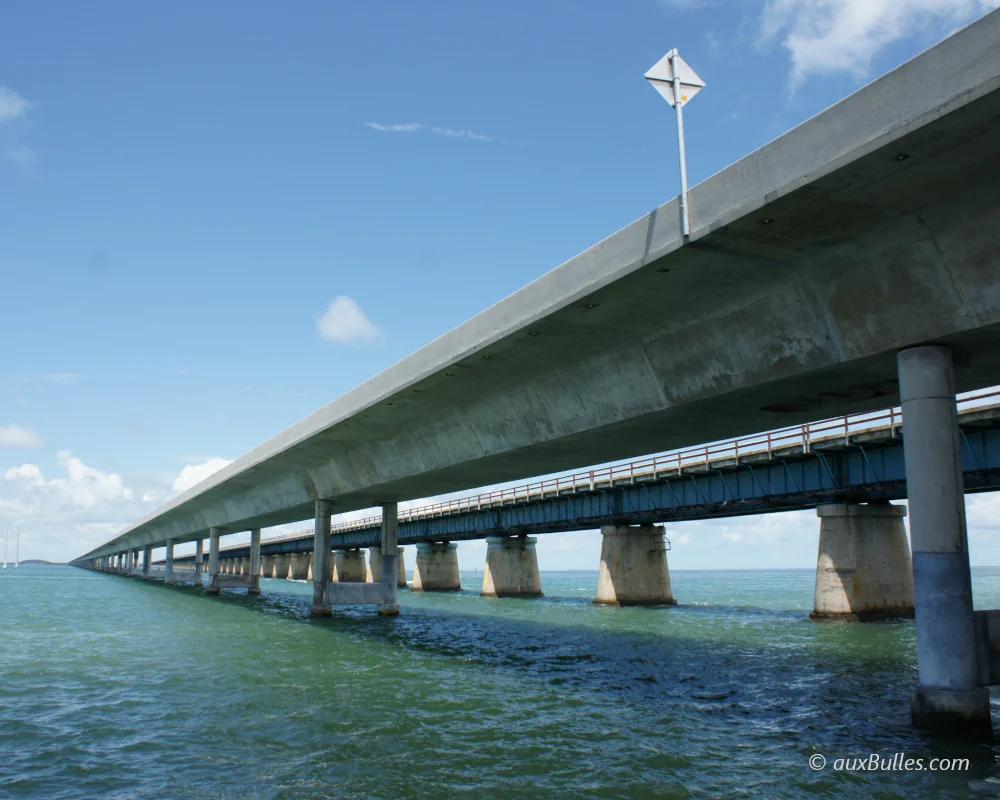
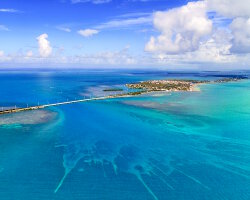
Further south, the Florida Keys are another major source of inspiration for the game. This archipelago stretches into the Gulf of Mexico and the Atlantic Ocean, south of the Florida peninsula. It is particularly famous for its roads and bridges connecting the various islands. The Seven Mile Bridge, near Marathon, is one of the most impressive structures along this route. Its long stretch of roadway spanning the sea was identified in the first images of GTA VI. In the game, this region is represented by the Leonida Keys.
Diving and marine life in the Florida Keys
Off the Florida Keys, turquoise waters are home to a rich and colorful marine world. Official images of GTA VI reveal two divers exploring a coral reef among tropical fish, a moray eel, and a sea turtle. These underwater scenes are reminiscent of the Florida Keys, home to the only living coral barrier reef in the continental United States.
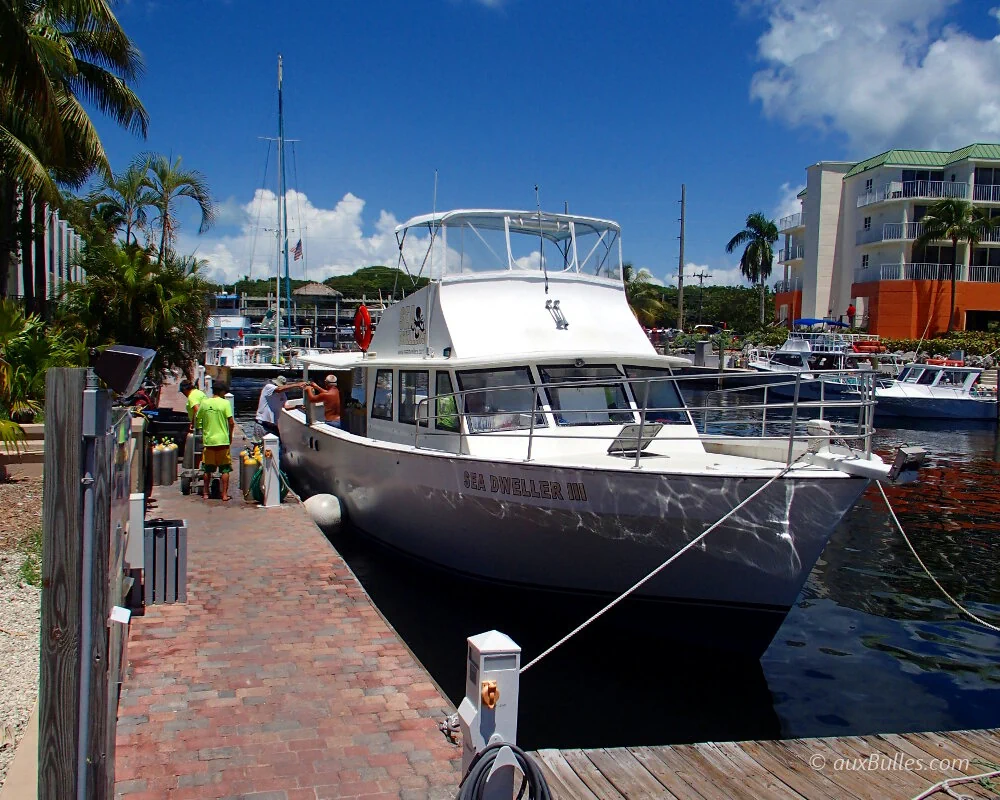
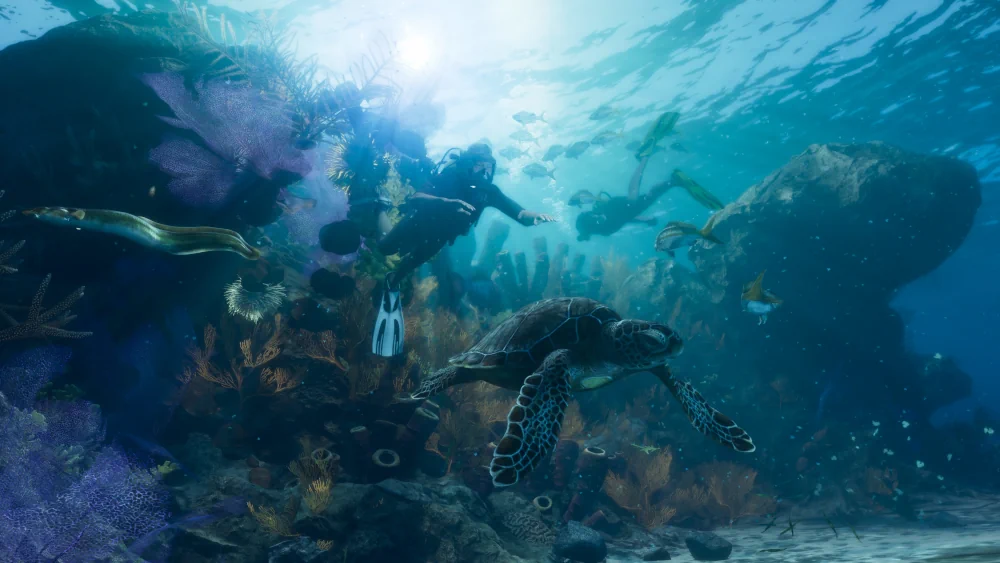
In real life, the Florida Keys National Marine Sanctuary protects a vast collection of ecosystems, including coral reefs, seagrass beds, and mangrove forests. Sea turtles, rays, tropical fish, and moray eels are among the animals divers can encounter during their explorations.
Scuba diving is one of the archipelago's signature activities. Dive sites accessible from Key Largo, Islamorada, Marathon, and Key West offer opportunities to explore shallow reefs, coral formations, and numerous historic shipwrecks. The underwater world reveals another side of the Florida Keys, quite different from their beaches, marinas, and palm-lined roads.
The Everglades, another side of Florida
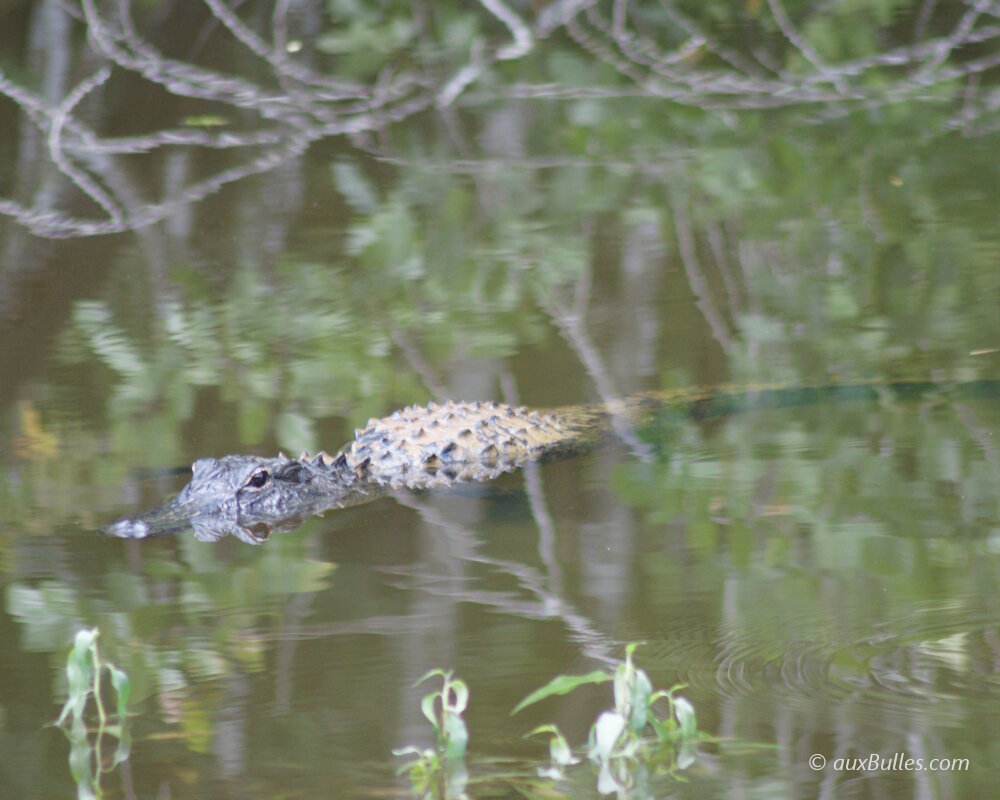
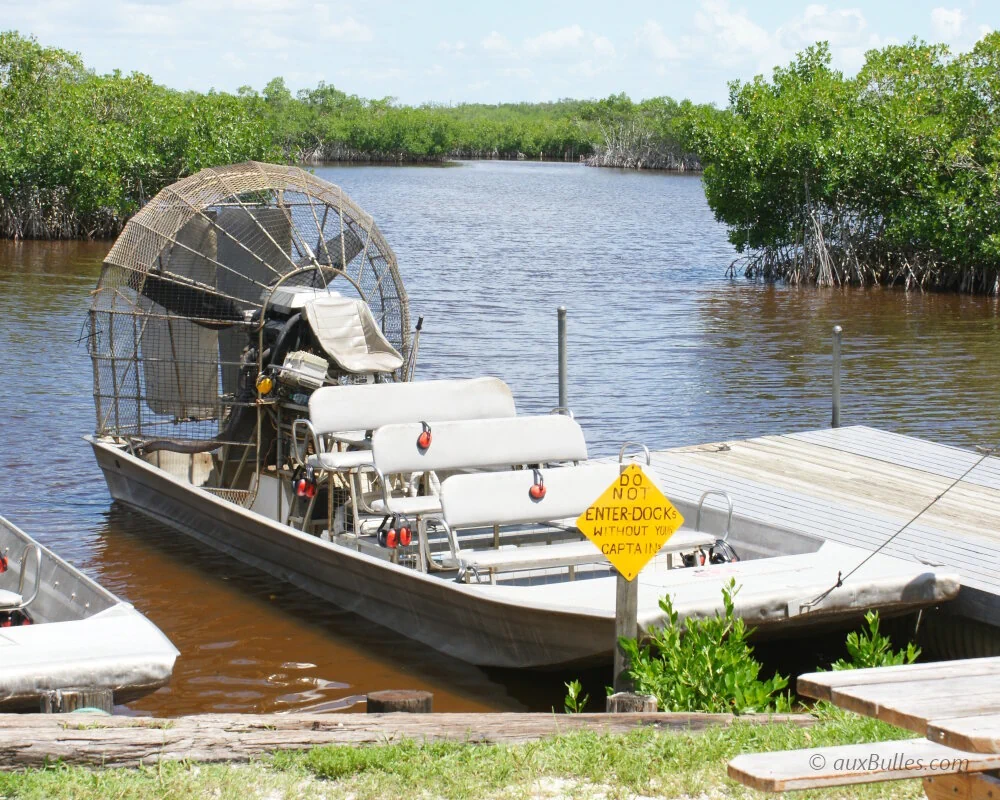
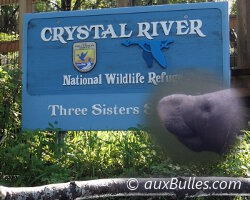
West of Miami, Everglades National Park reveals a natural environment very different from the beaches and urban neighborhoods. This vast wetland, made up of marshes, flooded grasslands, and mangroves, is home to alligators, American crocodiles, manatees, and numerous bird species. These wild landscapes inspire the natural areas of Leonida and greatly expand the game's world beyond the city of Miami itself.
GTA VI, a new virtual showcase for Miami
A recognizable city, transformed
The biggest difference between Vice City in 2002 and GTA VI lies in the level of detail and the size of the territory represented. New technologies make it possible to recreate buildings, signs, streets, vehicles, and lighting conditions with much greater precision. The scenes released by Rockstar also reveal a living city, with heavy traffic, busy beaches, and a wide variety of characters.
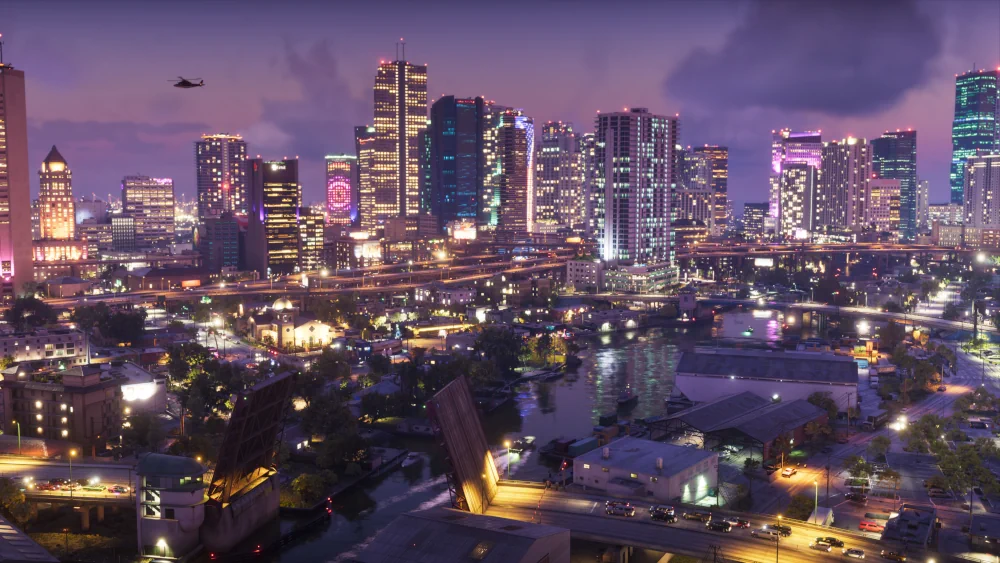
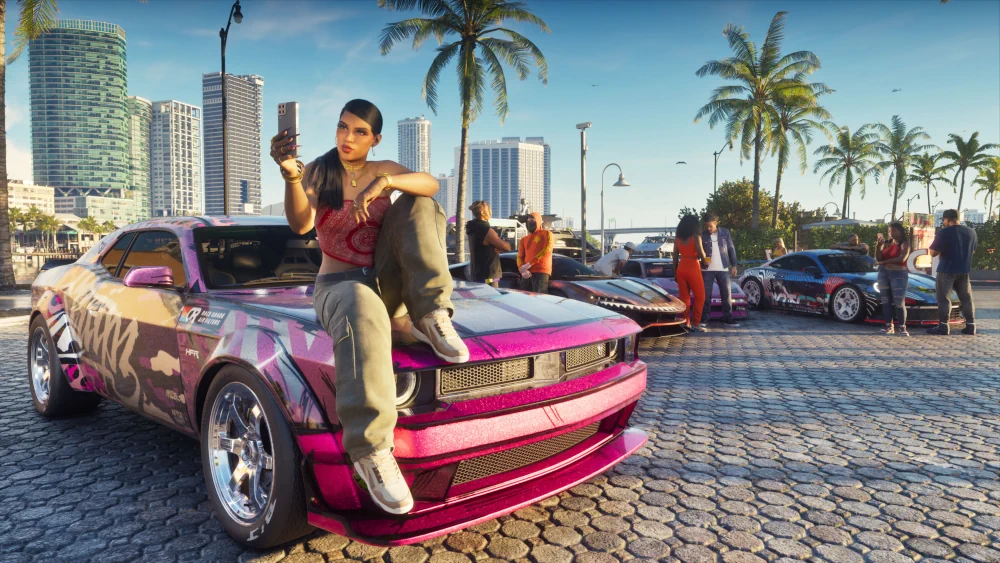
However, Vice City should not be considered an exact copy of Miami. Rockstar rearranges neighborhoods, moves certain buildings, changes street names, and sometimes combines several real-life locations into a single setting. The goal is to create a coherent territory that is enjoyable to explore, rather than faithfully reproducing an actual street map.
A phenomenon that goes beyond video games
The release of GTA VI is expected to further boost Miami's international profile. For players, recognizing Ocean Drive, Brickell's towers, or the bridges across the bay adds another dimension to the experience. For visitors, the game may also serve as an invitation to discover the real-life locations that inspired its settings.
With its Art Deco heritage, Cuban culture, urban art, contemporary architecture, and tropical landscapes, Miami has an exceptionally rich identity. This diversity is precisely what explains why the city has continued to inspire Rockstar Games since the early days of the series.
Top must-see places in Miami
Biscayne Bay

Miami's celebrity islands

The Everglades National Park

Fort Lauderdale, the Venice of America

Best things to do in Miami

The best of outlets and malls
Top must-see places in Miami Beach

Top must-see places in Florida



Our latestUpdates
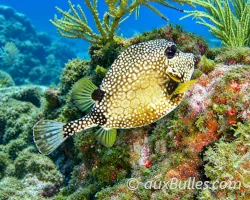
The smooth trunkfishDiscover the smooth trunkfish (Rhinesomus triqueter), a reef-dwelling fish from the tropical western Atlantic. Its angular body, protected by a bony carapace, features a dark coloration with white spots and distinctive honeycomb patterns.Read more
A tense finish in the CaribbeanA look back at the 2026 Route du Rhum finish: Tom Laperche wins the Ultim class as the leading boats arrive and close battles continue across the other fleets.Read more
Major movesThe 2026 Route du Rhum enters a decisive phase as Tom Laperche extends his lead in the Ultim class, Armel Le Cléac'h capsizes, and Class40 skippers prepare to face a powerful weather front.Read more
Photo of the Day

Poisson grenouille à ocelles
(Fowlerichthys ocellatus)
(Fowlerichthys ocellatus)
 Copyright © 2007-2026 auxBulles.com - All rights reserved. Legal notices.
Photo credits - Our partners