

Islands destinationLanzarote islandCanary islands | Atlantic ocean
Last updated on 05/06/2026 at 10:17 PM
Lanzarote island is located in the Canary islands archipelago about 78 miles west of the Moroccan coast in the Atlantic ocean. Lanzarote is the third largest of the Canary islands, after Tenerife and Fuerteventura.
Volcanoes, lava fields and charming small villages
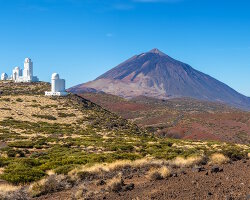
The landscapes on Lanzarote island are extraordinary, with its volcanoes, lava fields, paradisiacal beaches with turquoise waters, charming small villages with white houses and valleys covered with palm trees.
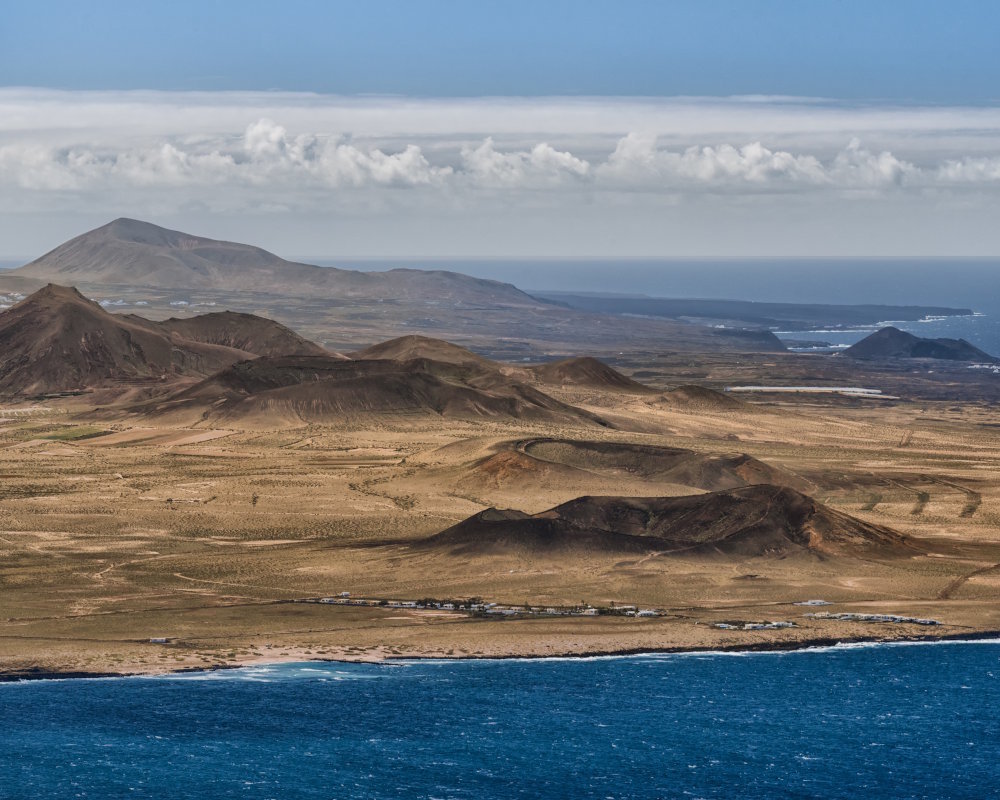
Aerial view of lava fields and volcanoes in Timanfaya National Park, Lanzarote in the Canary islands © Sjankauskas | Dreamstime.com
You can also enjoy hiking trails of varying difficulty to explore the island's volcanoes, including an easy 6.2-mile trail that leads to the Caldera Blanca crater.
In the south of the island, just a five-minute drive from the town of Playa Blanca, the natural pools of Los Charcones are an ideal place to relax and enjoy refreshing swims.
Must-see
El Golfo beach
El Golfo beach, on the west coast of Lanzarote, is a breathtaking place where nature displays its most striking contrasts. Its black sand, a remnant of ancient lava flows, meets the turquoise waters of the Atlantic ocean in stunning harmony. Just a few steps away, the famous Green Lagoon, or Charco de los Clicos, adds a spectacular touch with its intense emerald water framed by red volcanic cliffs.

Between the red cliffs, the black sand contrasts with the blue ocean and the green lagoon, creating the unique spectacle of El Golfo © Dorinmarius | Dreamstime.com
The landscape, almost otherworldly, is a perfect blend of fire and water, rock and marine softness, offering a unique setting for photographers and nature lovers.
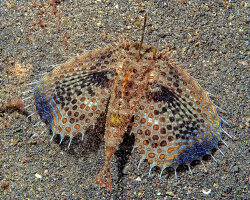
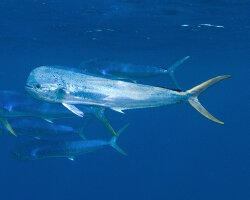
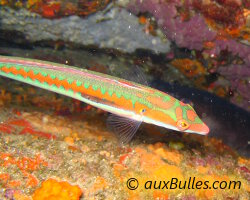
The marine species in the Canary Islands


Canary islands
Canary islands
Fuerteventura island
La Gomera island
Gran Canaria island
El Hierro island

La Palma island
Tenerife island
The islands from atlantic ocean
Eleuthera island
Faroe islands

Houat island
Key West island

Molène island
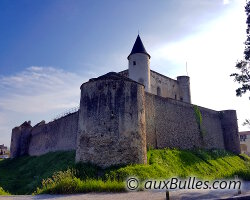
Noirmoutier island
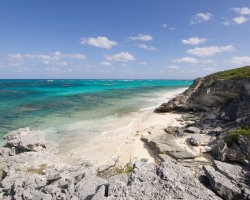
San Salvador island
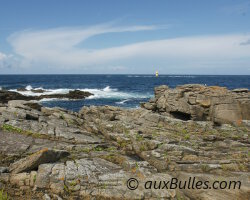
Yeu island
Explore new islands
Our latestUpdates
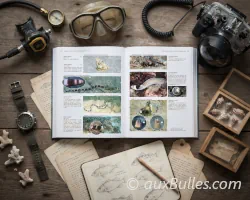
The Guide des poissons de Nouvelle-CalédonieDiscover Guide to the Fishes of New Caledonia by Pierre Laboute and René Grandperrin, an illustrated reference featuring nearly 1,200 species, from rivers and coral reefs to the depths of the ocean.Read more
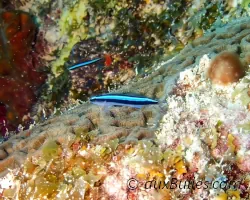
The neon gobyDiscover the neon goby (Elacatinus oceanops), a small western Atlantic reef fish known for its brilliant blue stripe and its role as a cleaner fish that removes parasites from other fish.Read more

The poison gobyDiscover the poison goby (Gobiodon citrinus), a tiny reef fish with a bright yellow body and distinctive blue markings. It lives among branching Acropora corals in the tropical waters of the Indo-Pacific.Read more
Photo of the Day
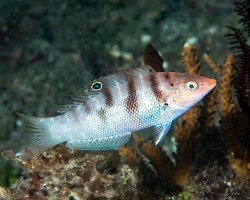
Girelle de Batu
(Coris batuensis)
(Coris batuensis)
 Copyright © 2007-2026 auxBulles.com - All rights reserved. Legal notices.
Photo credits - Our partners