

Islands destinationCanary islandsAtlantic ocean
Last updated on 05/06/2026 at 10:17 PM
Located off the coast of Africa, the Canary islands form a unique archipelago known for its year-round spring-like climate, spectacular volcanic landscapes, varied beaches, and cultural diversity. Whether you enjoy relaxing on the beach, hiking, surfing, gastronomy, or exploring nature, the Canaries offer an ideal destination in any season.
Tenerife – The island of a thousand faces
The largest island in the archipelago is home to Mount Teide, the highest peak in Spain. Tenerife stands out for the diversity of its landscapes: beaches, laurel forests, traditional villages, and lively seaside resorts. It is often an excellent gateway to discover the Canary islands before continuing on to other islands such as Gran Canaria or La Gomera.


Gran Canaria – The miniature continent
Gran Canaria concentrates an incredible variety of landscapes: desert dunes, green mountains, urban beaches, and charming villages. Thanks to this diversity, it is often compared to a miniature continent and pairs very well with nearby islands such as Tenerife or Fuerteventura.
Lanzarote – The volcanic island
Shaped by eruptions, Lanzarote impresses with its lava fields, harmonious architecture, and artistic atmosphere inspired by César Manrique. It is ideal to combine with Fuerteventura, located just a few miles away.
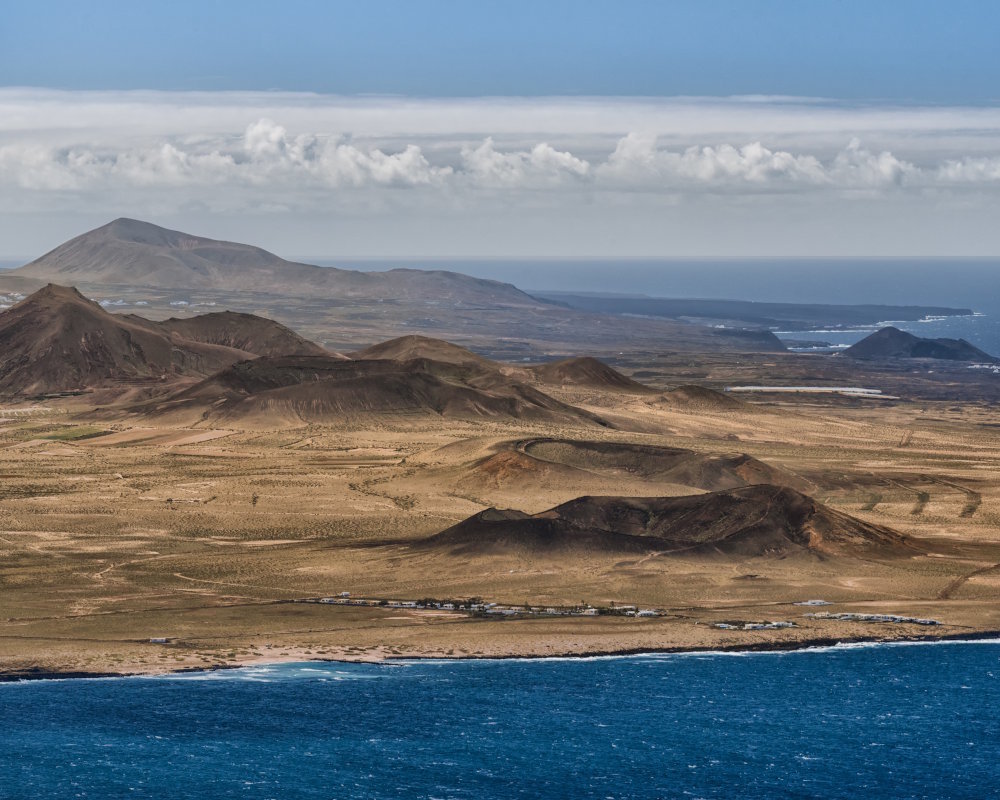

Fuerteventura – A beach paradise
With its long stretches of light sand beaches and constant winds, Fuerteventura is a dream destination for kitesurfing, windsurfing, and lovers of wide-open spaces. It combines perfectly with Lanzarote or Gran Canaria for a well-balanced trip.
La Palma – The green island
Nicknamed « La Isla Bonita » or the « Island of Eternal Spring », La Palma is one of the smallest Canary islands and is ideal for hikers and nature lovers. Lush forests, recent volcanoes, and exceptional starry skies make it a perfect alternative to La Gomera for travelers seeking peace and quiet.
La Gomera – Authentic and preserved
Small and peaceful, La Gomera charms visitors with Garajonay National Park, ancient trails, and a timeless atmosphere. It is easily accessible from Tenerife, making it a perfect extension to a stay in the islands.
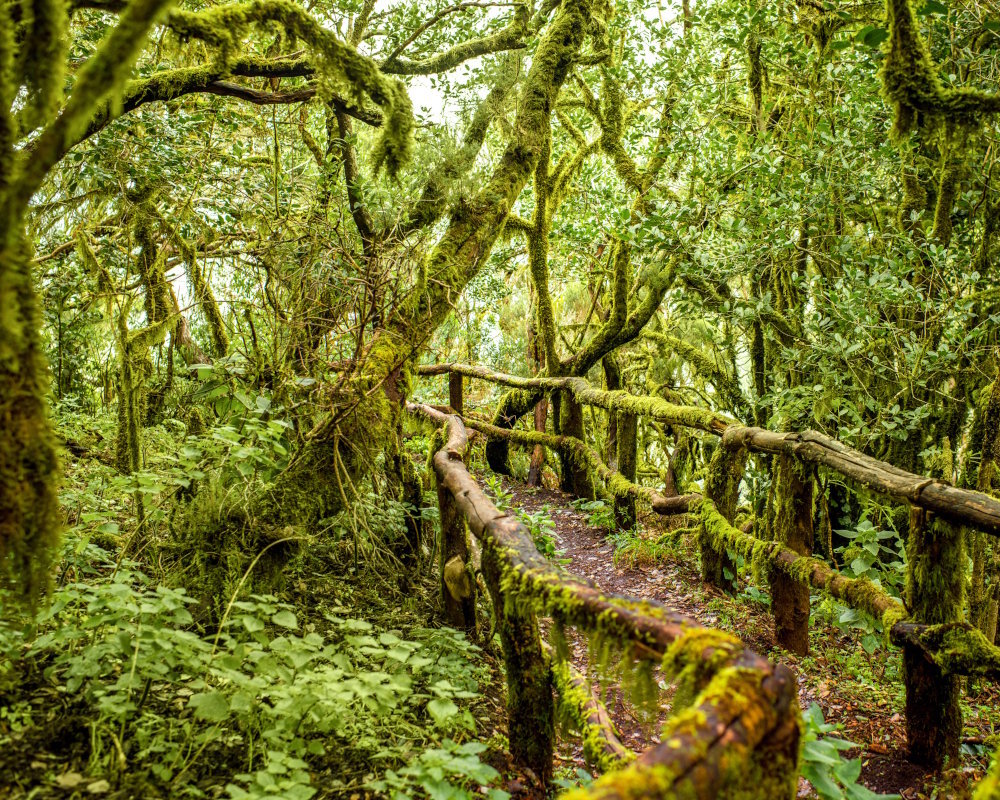

El Hierro – Wild and off the beaten path
The smallest Canary Island, El Hierro, is a gem for divers and travelers seeking tranquility and authenticity. Still largely untouched by mass tourism, it is often combined with La Palma for a nature-focused journey.
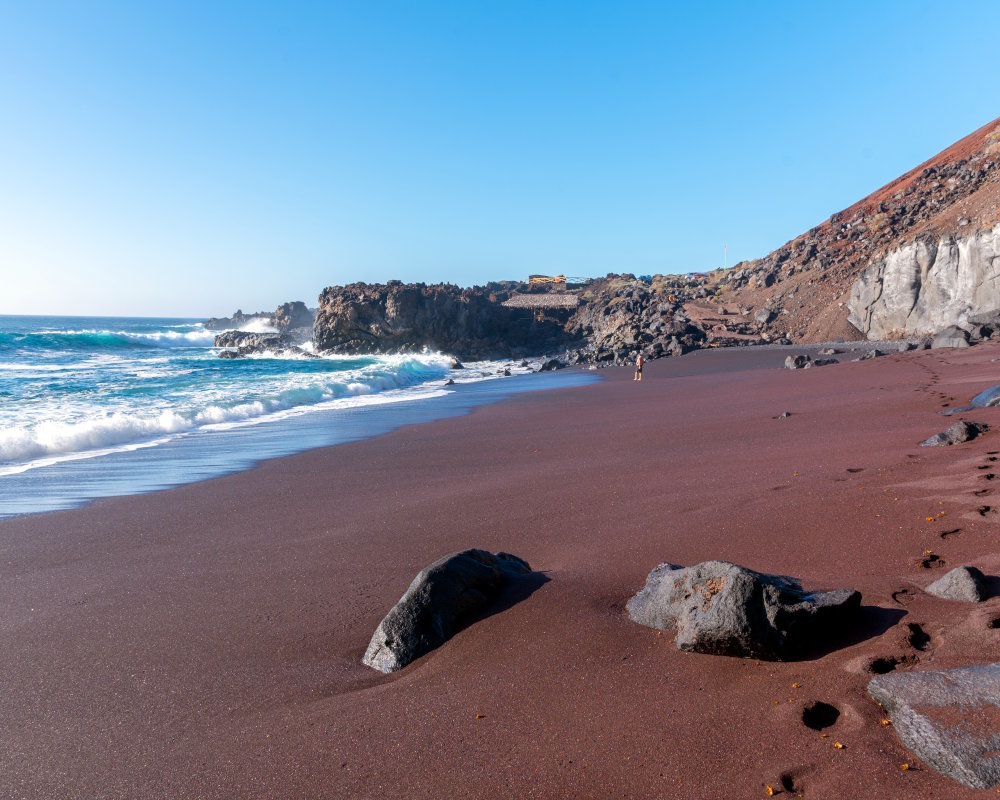
The intense volcanic red sand of El Verodal Beach on the island of El Hierro in the Canary islands © Dudlajzov | Dreamstime.com
The most beautiful beaches in the Canaries
For sand and sun lovers, discover the most beautiful beaches across all the Canary islands. Whether you want to relax, swim, surf, or simply enjoy dreamlike landscapes, you will surely find the perfect beach for you !

Morro Jable Beach with its lighthouse in sight, in the south of Fuerteventura © Mapics | Dreamstime.com
The best diving in the Canaries
The Canary islands offer spectacular diving all year round thanks to excellent visibility and warm waters, where volcanic topography creates unique underwater landscapes. One of the most famous sites is « La Restinga » on the island of El Hierro, located in a large marine reserve where divers experience the sensation of flying underwater and can see schools of tropical fish, rays, and sometimes even cetaceans depending on the season. In Gran Canaria, the El Cabrón marine reserve offers dramatic drop-offs and abundant marine life — moray eels, jacks, and barracudas — accessible from the coast, while reefs around Pasito Blanco or Arinaga offer calmer dives suitable for all levels.
Tenerife and Lanzarote are also must-visit diving destinations in the archipelago. In Tenerife, sites like Los Chuchos or the « Ray Village » near Las Galletas attract ray and large fish enthusiasts, while also revealing fascinating rock formations such as Atlantis or volcanic caves like those in Masca Bay. In Lanzarote, divers can explore underwater landscapes shaped by lava, including caves like the « Catedral », volcanic tunnels, and wrecks such as those at the Los Erizos site where marine life has flourished.
The entire Canary archipelago offers a wide diversity of diving sites — from deep drop-offs to biodiversity-rich reefs — appealing both to experienced divers and beginners eager to discover the Atlantic ocean's marine life.
A true sanctuary
The Canary islands are a true sanctuary for cetaceans, with more than twenty species observed throughout the year thanks to steep underwater drop-offs and abundant food supply. You can frequently encounter dolphins — spotted dolphins, common dolphins, bottlenose dolphins — often playful and visible from both the surface and underwater — as well as pilot whales, iconic of the archipelago, especially between Tenerife and La Gomera.
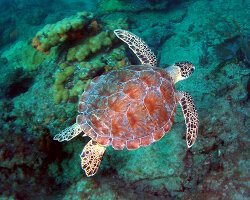
The Canary waters are also home to several whale species, including sperm whales, while sea turtles, mainly the loggerhead turtle, are regularly spotted near the coast and diving sites. This exceptional biodiversity makes the Canaries a major destination for marine wildlife observation in the Atlantic ocean.
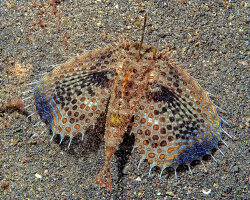
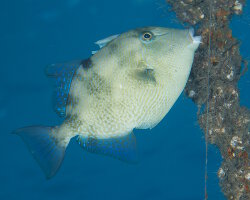
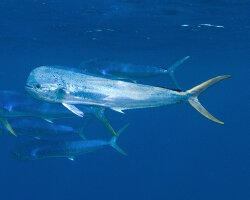
The marine species in the Canary Islands

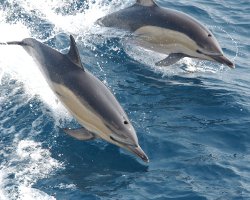
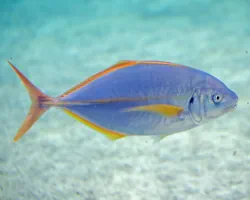
Canary islands

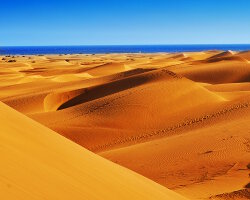
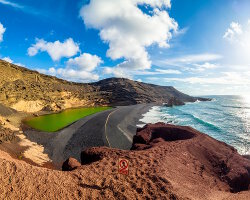
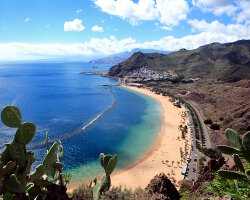
The islands from atlantic ocean
Abaco islands

Kerrera island
Key West island

New Providence island

Newfoundland
Paradise island
Skye island

The island of the Monks
Explore new islands



Our latestUpdates

The Guide des poissons de Nouvelle-CalédonieDiscover Guide to the Fishes of New Caledonia by Pierre Laboute and René Grandperrin, an illustrated reference featuring nearly 1,200 species, from rivers and coral reefs to the depths of the ocean.Read more
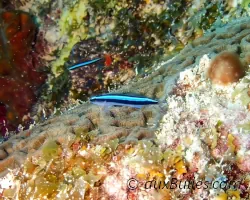
The neon gobyDiscover the neon goby (Elacatinus oceanops), a small western Atlantic reef fish known for its brilliant blue stripe and its role as a cleaner fish that removes parasites from other fish.Read more

The poison gobyDiscover the poison goby (Gobiodon citrinus), a tiny reef fish with a bright yellow body and distinctive blue markings. It lives among branching Acropora corals in the tropical waters of the Indo-Pacific.Read more
Photo of the Day
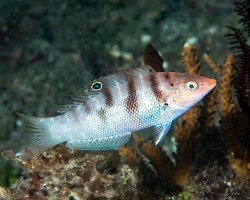
Girelle de Batu
(Coris batuensis)
(Coris batuensis)
 Copyright © 2007-2026 auxBulles.com - All rights reserved. Legal notices.
Photo credits - Our partners