

Islands destinationFuerteventura islandCanary islands | Atlantic ocean
Last updated on 05/06/2026 at 10:17 PM
Fuerteventura island is located in the Canary islands archipelago, about 62 miles west of the Moroccan coast in the Atlantic ocean. Fuerteventura is the second largest of the Canary islands after Tenerife.
A true paradise
Fuerteventura is a true earthly paradise, with over 93 miles of mostly deserted beaches offering spectacular sunsets.

La plage de Morro Jable avec son phare en ligne de mire au sud de Fuerteventura © Mapics | Dreamstime.com
Corralejo beach, in the northeast of the island, is particularly famous for its vast stretches of sand and impressive dunes that resemble a coastal desert. The beaches of Corralejo Natural Dunes Park are perfect for long walks or simply relaxing in the sun, while the crystal-clear waters attract diving and snorkeling enthusiasts eager to discover the richness of the local marine life.
La Concha beach, located on the islet of Lobos just a 15-minute boat ride from Corralejo, is a perfect example of these idyllic natural spaces. Once a refuge for sea lions, this nature reserve is now a peaceful haven for relaxation and escaping the stresses of daily life.
In the northwest, El Cotillo beach is another popular destination, especially favored by surfers and kitesurfers due to the powerful waves that form along its coast. Fuerteventura is indeed nicknamed the « Island of Wind », making it a world-renowned spot for wind and water sports.
In the southeast, Sotavento beach is one of the most famous, with its shallow waters forming temporary lagoons at low tide, offering spectacular views and perfect conditions for beginners in kitesurfing and windsurfing.
Finally, located at the southern tip of Fuerteventura and dominated by an iconic lighthouse, Morro Jable beach stretches for several miles, providing an idyllic setting to enjoy the sea and admire breathtaking sunsets.
Exploring the island
Fuerteventura is also a place where Canarian traditions blend with African and Spanish influences. Betancuria, the island's former capital founded in the 15th century, is a charming historic village with cobblestone streets and colonial buildings. Here you can visit the Church of Santa María, a beautiful example of the Canary islands' historic architecture.
The local market in La Oliva and small fishing villages such as Ajuy on the west coast and Pozo Negro on the east coast are perfect for experiencing local life, meeting residents and appreciating the authentic atmosphere of the island.
Water sports and marine adventures
Fuerteventura is renowned for its fine sandy beaches and crystal-clear waters, providing ideal conditions for many water sports. Whether you enjoy windsurfing, kitesurfing, or paddleboarding, the constant winds and steady waves make the island a true paradise for water sports enthusiasts.
In addition to board sports, the waters around Fuerteventura are perfect for diving and snorkeling. Volcanic reefs, tropical fish and underwater caves offer unforgettable experiences for both beginners and experienced divers. Local water sports centers offer lessons, guided trips and equipment rentals to fully enjoy the Atlantic ocean.
How to get there ?
Getting to Fuerteventura is easy thanks to its international airport located in El Matorral, just a few miles from the capital, Puerto del Rosario. Numerous direct flights connect the island to major European cities year-round, including from France, Belgium and Switzerland.
For those who prefer to travel by sea, regular ferries operate from the neighboring islands of Lanzarote, Gran Canaria and Tenerife, allowing arrivals with or without a vehicle.
Once on the island, Fuerteventura has an extensive bus network as well as numerous car rental agencies, making it easy to freely explore its beaches, dunes and villages.
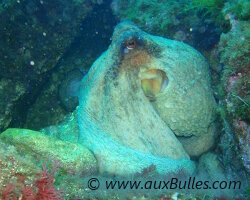
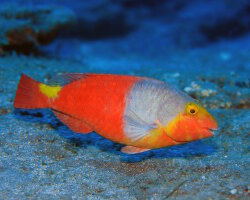
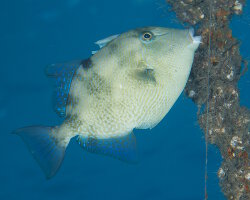
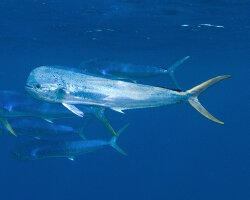
The marine species in the Canary Islands

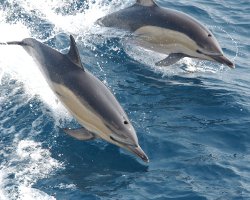

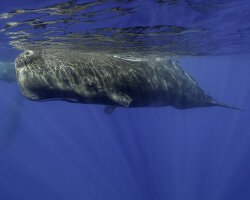
Canary islands
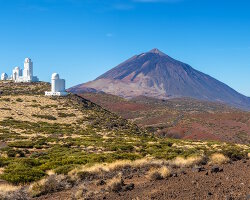
Canary islands
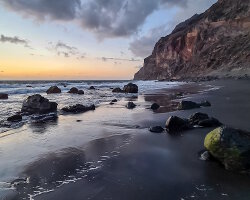
La Gomera island
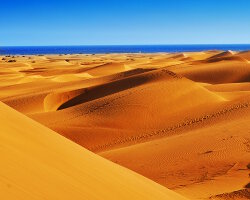
Gran Canaria island
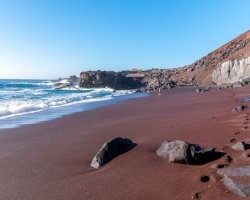
El Hierro island
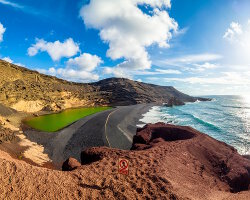
Lanzarote island

La Palma island
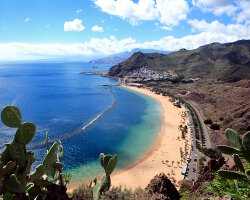
Tenerife island
The islands from atlantic ocean
Andros island
Bahamas islands

Glénan archipelago

Groix island
Kerrera island

Molène island
San Salvador island
Skye island
Explore new islands

Our latestUpdates
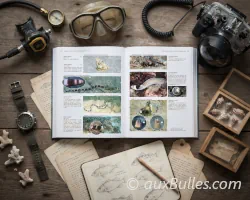
The Guide des poissons de Nouvelle-CalédonieDiscover Guide to the Fishes of New Caledonia by Pierre Laboute and René Grandperrin, an illustrated reference featuring nearly 1,200 species, from rivers and coral reefs to the depths of the ocean.Read more
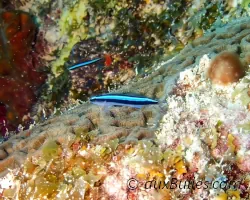
The neon gobyDiscover the neon goby (Elacatinus oceanops), a small western Atlantic reef fish known for its brilliant blue stripe and its role as a cleaner fish that removes parasites from other fish.Read more

The poison gobyDiscover the poison goby (Gobiodon citrinus), a tiny reef fish with a bright yellow body and distinctive blue markings. It lives among branching Acropora corals in the tropical waters of the Indo-Pacific.Read more
Photo of the Day
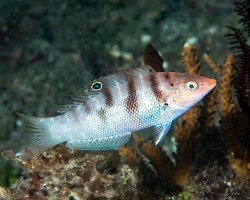
Girelle de Batu
(Coris batuensis)
(Coris batuensis)
 Copyright © 2007-2026 auxBulles.com - All rights reserved. Legal notices.
Photo credits - Our partners