Islands destinationSan Salvador IslandBahamas Islands | Atlantic Ocean
Last updated on 08/27/2026 at 11:05 PM
San Salvador is one of the most historic and scenic islands in the
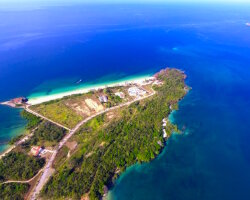
Bahamas. It is famous for being the place where Christopher Columbus is believed to have landed during his first voyage in 1492, giving the island great historical significance. The island remains relatively unspoiled, with white-sand beaches, impressive cliffs, and pristine nature, making it ideal for those seeking peace and authenticity.
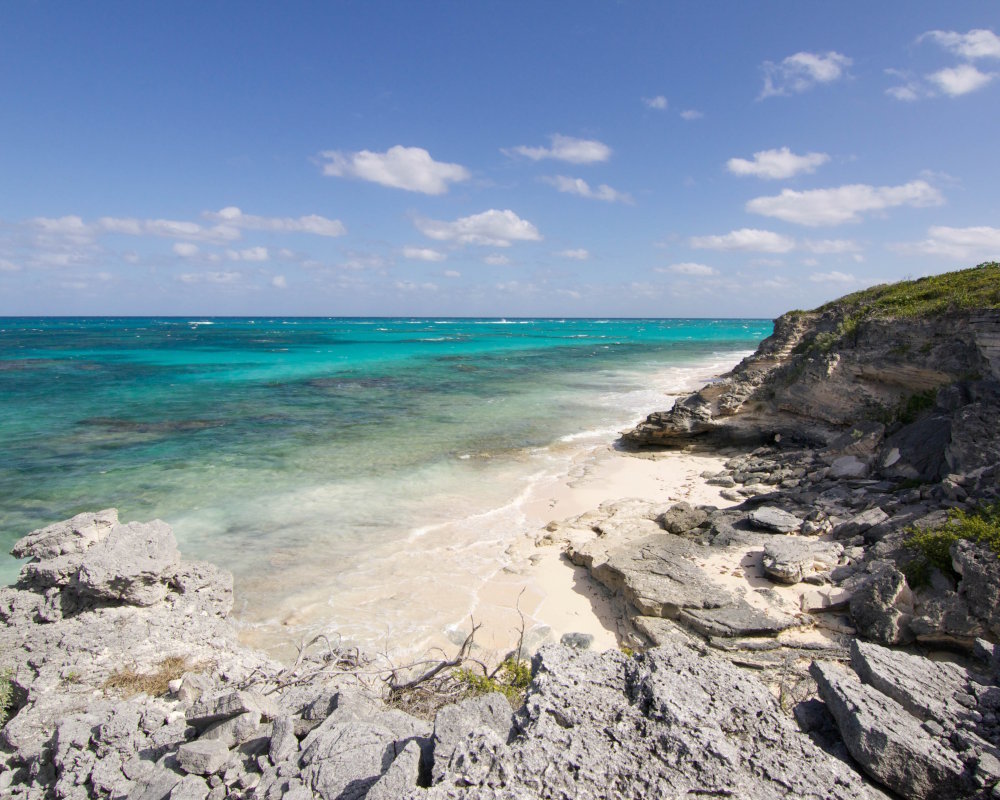
Iconic limestone cliffs on San Salvador Island in the Bahamas, offering spectacular views of the turquoise waters of the ocean ©
Katherine Storr |
Dreamstime.comIts varied landscapes alternate between peaceful lagoons, rocky coastlines, and small secluded coves. The atmosphere is quiet and authentic, far from the tourist bustle found on some of the archipelago's more heavily visited islands, making it a favorite destination for travelers seeking nature and history.
What to do on San Salvador?
San Salvador offers many activities centered around nature and history. Visitors can explore secluded beaches such as Snow Bay, which are ideal for swimming and snorkeling. The limestone cliffs provide spectacular views of the Atlantic Ocean, especially at sunset. Hiking enthusiasts will enjoy trails leading to historic monuments commemorating the arrival of Christopher Columbus.
The island is also known for its inland salt lakes, which are perfect for birdwatching and discovering a unique ecosystem. Boat excursions, sport fishing, and landscape photography round out the must-do activities. Combining historic heritage with pristine nature, San Salvador offers an authentic and peaceful experience in the heart of the
Bahamas.
Low, Middle and High Cay
Off the coast of San Salvador are three small uninhabited islets, Low Cay, Middle Cay, and High Cay, which are among the island's wildest and most pristine landscapes. These rocky cays, surrounded by turquoise waters and coral reefs, offer spectacular scenery typical of the
Bahamas, with limestone cliffs, secluded beaches, and untouched coastal vegetation.
Accessible by boat on local excursions, these islets are particularly popular for snorkeling, seabird watching, and landscape photography. Their isolation and natural beauty make them perfect places to discover San Salvador's pristine marine environment and enjoy a peaceful experience far from any tourist infrastructure.
How to get there ?
San Salvador can be reached by domestic flights from Nassau or other major islands in the
Bahamas. The small local airport handles regional and charter flights, making it easy to reach the island from the archipelago's main hubs.
Once there, getting around is mainly done by rental car, which is ideal for exploring secluded beaches, limestone cliffs, and historic sites. Organized excursions are also available for discovering the island's main attractions with ease.
Where to dive ?
San Salvador offers exceptional diving sites, including colorful coral reefs, dramatic walls, and historic shipwrecks. The clear waters provide excellent opportunities to observe a wide variety of tropical fish and corals, as well as unique geological formations. Diving is suitable for both beginners and experienced divers, offering the perfect combination of adventure and natural beauty.
The marine species in the Bahamas
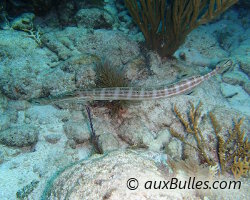
Atlantic trumpetfish
(Aulostomus maculatus)
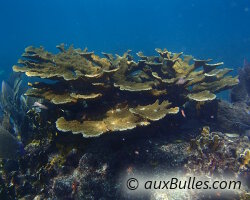
Elkhorn coral
(Acropora palmata)
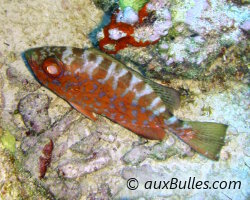
Glasseye snapper
(Heteropriacanthus cruentatus)
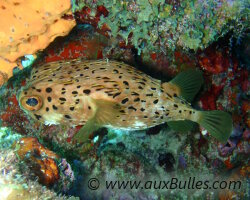
Longspined porcupinefish
(Diodon holocanthus)
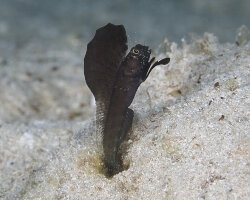
Sailfin blenny
(Emblemaria pandionis)
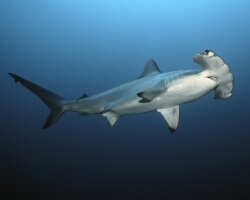
Scalloped hammerhead
(Sphyrna lewini)
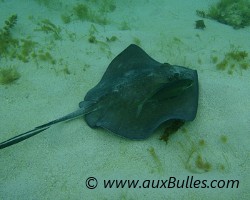
Southern stingray
(Dasyatis americana)
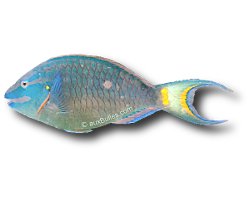
Stoplight parrotfish
(Sparisoma viride)
Bahamas islands
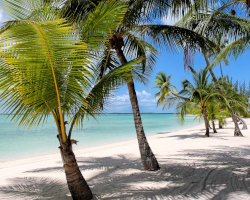
Andros island
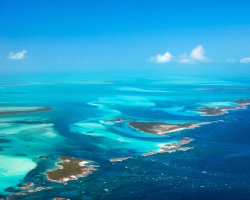
Bahamas islands
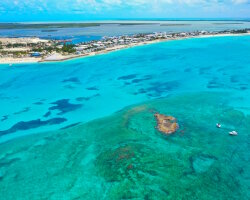
Bimini islands
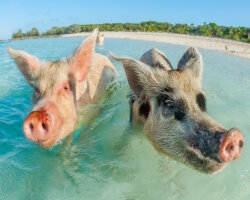
Exumas islands
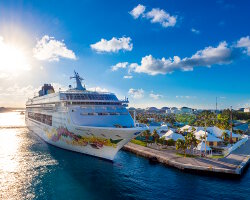
Grand Bahama island
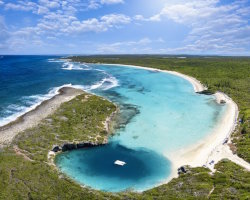
Long Island
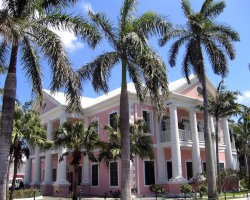
New Providence island
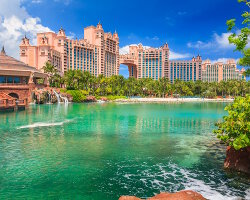
Paradise island
The islands from atlantic Ocean
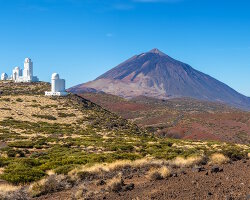
Canary islands
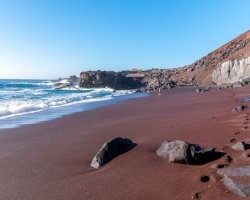
El Hierro island

Hoëdic island

Houat island
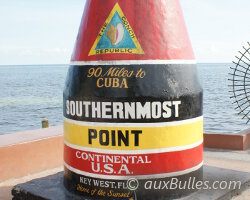
Key West island
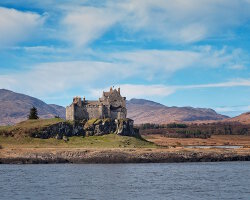
Mull island

Newfoundland
Ushant island
Explore new islands
Bréhat island
Caroline islands
Dry Tortugas islands
Hamilton island
Hawaii islands
Hvar island
Koufonissi island
Viveros island