

Islands destinationCayo SombreroMorrocoy National Park | Caribbean Sea
Last updated on 10/08/2026 at 12:16 AM
Cayo Sombrero Island is one of the best-known cayos in Morrocoy National Park, on Venezuela's Caribbean coast. Located in Falcón State, it stands out for its white-sand beaches, turquoise waters, and tropical vegetation contrasting with the coral seabeds.
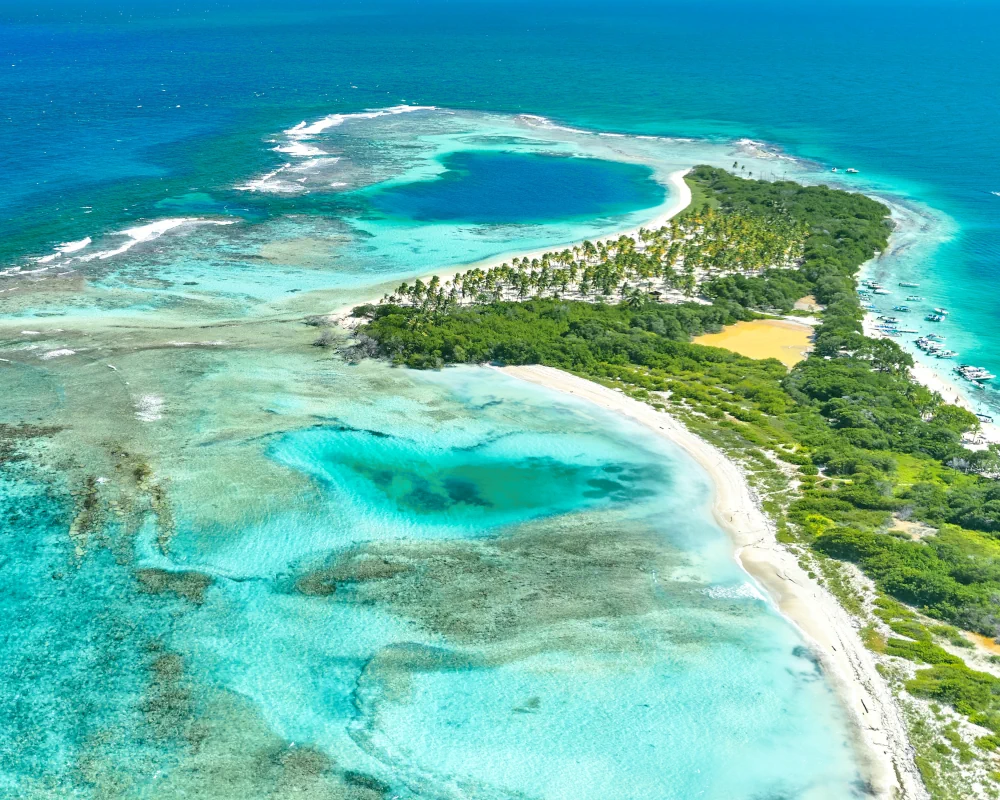
Aerial view of Cayo Sombrero, its white-sand beaches, turquoise waters, and lagoons in Morrocoy National Park, Venezuela © Rommel Gonzalez | Dreamstime.com
Accessible only by sea, Cayo Sombrero offers an ideal setting for enjoying the landscapes of Morrocoy National Park and discovering its marine ecosystems. Its calm, shallow waters are particularly suitable for snorkeling close to the beaches, while the reefs provide habitat for a variety of fish and marine invertebrates.
An iconic cayo in Morrocoy National Park
At the heart of Morrocoy
Cayo Sombrero is located within Morrocoy National Park, a vast protected natural area between Tucacas and Chichiriviche on Venezuela's Caribbean coast. The park includes numerous cayos and islets surrounded by shallow waters, as well as mangroves, coral reefs, and various coastal habitats.
Among the park's islets, Cayo Sombrero is one of the largest and most frequently visited. Its landscape combines long stretches of light-colored sand, palm trees, and turquoise waters, creating a striking contrast with the seabed surrounding the cayo. This combination of terrestrial and marine landscapes is one of the site's main attractions.
Two islets connected by sand
Cayo Sombrero has a distinctive configuration consisting of two island sections connected by a narrow strip of sand. This characteristic shape contributes to the cayo's identity and allows you to discover different beach areas during the same excursion.
The island's very low-lying terrain leaves considerable space for beaches and coastal vegetation. From the shore, the shallow waters allow you to observe the seabed with good visibility when conditions are favorable.
The beaches and turquoise waters
White-sand beaches
The beaches of Cayo Sombrero are one of the island's main attractions. Light-colored sand, palm trees, and turquoise waters give the coastline the typical appearance of the Caribbean's cayos. The beach areas also offer shaded spots thanks to the vegetation growing near the shore.
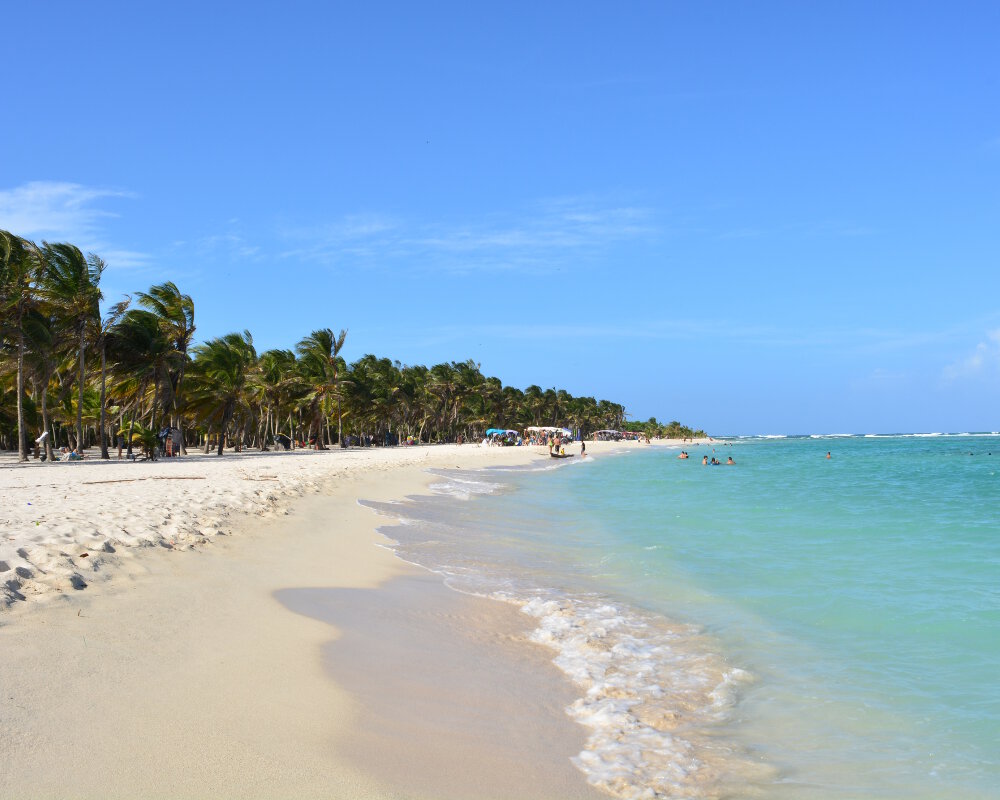
White-sand beach lined with palm trees and turquoise waters on Cayo Sombrero in Morrocoy National Park, Venezuela © Renan Greinert | Dreamstime.com
The waters surrounding Cayo Sombrero are generally calm and shallow, making it easy to enjoy swimming from the beaches. The shallow depth in some areas also allows you to observe the seabed without venturing far from shore.
An environment ideal for exploration
Beyond the beach, the marine landscape is an essential part of Cayo Sombrero's appeal. The clear waters allow you to gradually discover the different environments surrounding the island, from sandy seabeds close to shore to areas occupied by coral reefs.
This proximity between the beach and marine habitats makes Cayo Sombrero particularly well suited to a day devoted to swimming and exploring the coastline. Conditions can nevertheless vary depending on the weather and sea conditions, as they can throughout the Morrocoy cayos.
Coral reefs and snorkeling
Reefs close to shore
The seabed around Cayo Sombrero includes coral reefs located a short distance from the beaches. Scientific studies of Morrocoy's reefs have documented significant cnidarian diversity on the Cayo Sombrero reef, with 20 species belonging to 10 families in one of the areas studied.
This coral diversity contributes to the richness of the seabed around the cayo. The reefs provide habitat for numerous marine organisms and contribute more broadly to the functioning of the protected coastal ecosystems of Morrocoy National Park.
Observing marine life from the surface
The shallow, clear waters make snorkeling particularly rewarding at Cayo Sombrero. Inparques indicates that the coral reefs near the beaches provide opportunities to observe sea urchins, starfish, and parrotfish.
To protect these fragile environments, it is important not to touch the corals, walk on the reefs, or disturb marine life. Exploring the seabed is best done while keeping a safe distance from organisms and avoiding any damage to the reef.
Vegetation adapted to the coast
Palm trees and coastal vegetation
The vegetation of Cayo Sombrero is an integral part of the landscape. The beaches are lined with palm trees and plant communities adapted to tropical coastal conditions. This vegetation also provides welcome shade on an island where beaches occupy a large part of the available space.
More broadly, Morrocoy's various plant communities play an essential role in protecting the coastline. The mangroves surrounding the cayos provide particularly important habitats for fish and crustaceans and help reduce coastal erosion.
A landscape closely linked to mangroves
Access to the Morrocoy cayos often takes you through a network of mangroves, one of the park's characteristic landscapes. The submerged roots of red mangroves create sheltered areas where numerous marine organisms can develop away from more open waters.
A visit to Cayo Sombrero can therefore be part of a broader excursion that allows you to observe mangroves, shallow waters, and coral reefs in succession. These different habitats are closely interconnected and contribute to the ecological richness of Morrocoy National Park.
How to get there ?
From Chichiriviche or Tucacas
Cayo Sombrero is accessible only by sea. The main departure points for exploring Morrocoy National Park are Chichiriviche and Tucacas, two coastal towns from which boats can reach the different cayos.
The choice of departure point depends in particular on your planned itinerary and navigation conditions. Boat excursions generally allow you to spend a day exploring the beaches and seabed of Cayo Sombrero, while potentially combining several sites within the park.
A sea-focused excursion
You arrive at Cayo Sombrero directly on the beaches, allowing you to quickly enjoy swimming and snorkeling. Since services on the cayos are limited, it is best to bring water, sun protection, and any equipment you may need for the day.
Navigation conditions and access to the different sites may vary depending on the weather and park regulations. It is therefore best to check locally before setting out and follow the guidelines designed to protect Morrocoy's reefs, beaches, and wildlife.
The islands from caribbean Sea
Aruba island
Barbados island
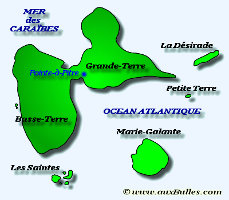
Guadeloupe island
Nevis island
Puerto Rico island
Saint Martin island
St. John island
Virgin Gorda island
Explore new islands
Abaco islands

Brac island
Cuba island
Ibo island

Milos island
Motuarohia island
Paradise island
Schinoussa island
Our latestUpdates
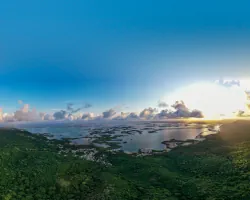
Morrocoy National ParkDiscover Morrocoy National Park in Venezuela, with white-sand beaches, turquoise waters, coral reefs, mangroves, scenic cayos, and remarkable marine biodiversity.Read more
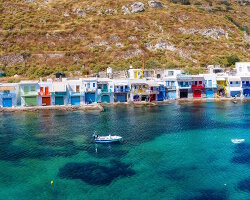
Milos IslandDiscover Milos Island in the Cyclades, known for its volcanic landscapes, crystal-clear beaches, traditional villages, and the famous Venus de Milo.Read more
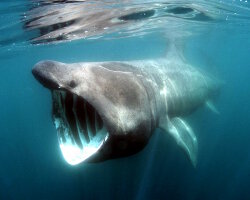
The basking sharkDiscover the basking shark (Cetorhinus maximus), the world's second-largest fish. This huge shark feeds on plankton by filtering large amounts of water.Read more
Photo of the Day

Poisson papillon orné
(Chaetodon ornatissimus)
(Chaetodon ornatissimus)
 Copyright © 2007-2026 auxBulles.com - All rights reserved. Legal notices.
Photo credits - Our partners