

Islands destinationSaona IslandDominican Republic | Caribbean Sea
Last updated on 08/31/2026 at 11:55 PM
Located in the southeasternmost part of the Dominican Republic, Saona Island is the largest island off the country's coast. Separated from the mainland by a channel about 1.2 miles wide, it covers nearly 42 sq mi and is part of Cotubanamá National Park, formerly known as East National Park. Its long white-sand beaches, coconut palms, and turquoise waters make it one of the most iconic landscapes in the Caribbean.

Saona Island is the largest island in the Dominican Republic, where coconut palms and white-sand beaches rule the landscape
Far from the urban development of the major resort areas, Saona offers a largely preserved environment where tropical beaches, mangroves, coral reefs, and wetlands coexist. Most visitors discover the island on a day trip from Bayahibe, by catamaran or speedboat, with stops including Palmilla and Mano Juan, the island's only permanent village.
White-sand beaches and turquoise waters
The beaches of Saona are one of the island's main attractions. Long stretches of white sand lined with coconut palms extend into shallow turquoise waters, creating a quintessential Caribbean setting. Some sections of the coastline remain particularly natural, with coastal vegetation highlighting the island's pristine character.


One of the best-known spots is Palmilla, a white-sand beach bordering a large, shallow natural pool. This area is regularly included in organized excursions to Saona and is particularly well suited for swimming, snorkeling, and observing starfish in the shallow waters.
A protected island in the heart of Cotubanamá National Park
Saona Island is part of Cotubanamá National Park, a vast protected area in the southeastern Dominican Republic. This environment includes a variety of coastal and marine habitats, including beaches, mangroves, coral reefs, and wetlands. This protection helps preserve the natural landscapes for which the island is known.
Saona's biodiversity extends beyond its terrestrial landscapes. The waters surrounding the island are home to coral reefs particularly popular with snorkeling and diving enthusiasts, while the beaches provide important nesting grounds for sea turtles. The island is considered the Dominican Republic's most important sea turtle nesting site.
Mano Juan, Saona's fishing village
Mano Juan is the only inhabited area of Saona Island and is a popular stop on many excursions. This small fishing village offers a glimpse of a more authentic side of the island, away from the beaches visited by day-trippers. Its colorful homes and peaceful atmosphere contrast with the resort-like beach landscapes found elsewhere on Saona.
Mano Juan is also closely associated with sea turtle conservation. The area contains important nesting sites, and local initiatives help raise awareness and protect these animals. A visit to the village therefore adds a glimpse of local life and the island's conservation efforts to the discovery of its beaches.
Don't miss
When exploring Saona, don't miss the island's long white-sand beaches lined with coconut palms, which form its iconic landscape. A stop at Palmilla offers the chance to enjoy a vast natural pool of turquoise water, while the reefs and underwater landscapes provide excellent opportunities for snorkeling.
Also plan a stop in Mano Juan to discover Saona's only inhabited village and experience another side of the island. Depending on the excursion you choose, you may also explore mangroves, observe marine wildlife, and enjoy the landscapes of Cotubanamá National Park.
How to get there ?
Most visitors reach Saona Island from Bayahibe, a small coastal village located near Cotubanamá National Park. Day trips cross the channel by catamaran, speedboat, or small boat, usually with several stops on the island. The boat ride also offers the opportunity to enjoy the coastal scenery before reaching Saona's beaches.

Many organized tours offer day trips to Saona Island by catamaran and small motorboats
It is also possible to arrange a boat trip from the area around La Romana, but Bayahibe remains the main departure point for excursions to Saona. Packages may include stops at Palmilla, Mano Juan, and different sections of the coastline, with activities such as swimming and snorkeling. To help protect this fragile environment, visitors are encouraged to follow the instructions provided by guides and park authorities during their visit.
Did you know ?
During some excursions to Mano Juan, visitors have developed a habit of bringing small gifts for children in the village. While directly handing out candy in the streets is discouraged, particularly to avoid encouraging begging, donating school supplies, books, or toys directly to the local school is a more appropriate way to support the community.
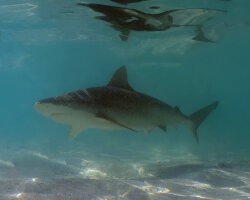
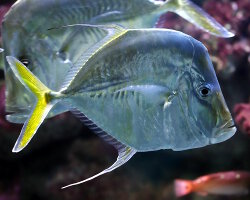
The marine species in the Dominican Républic
The Dominican Republic

The Dominican Republic
The islands from caribbean Sea
Aruba island
Barbados island

British Virgin islands
Désirade island
Jamaica
Saint Martin island
St. John island

U.S. Virgin islands
Explore new islands
Caroline islands
Hamilton island
Hawaii islands
Lokrum island
Long Island
Mariana islands
San Salvador island
Sicily island
Our latestUpdates
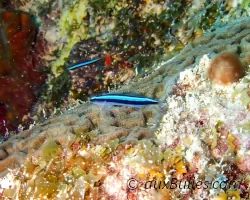
The neon gobyDiscover the neon goby (Elacatinus oceanops), a small western Atlantic reef fish known for its brilliant blue stripe and its role as a cleaner fish that removes parasites from other fish.Read more

The poison gobyDiscover the poison goby (Gobiodon citrinus), a tiny reef fish with a bright yellow body and distinctive blue markings. It lives among branching Acropora corals in the tropical waters of the Indo-Pacific.Read more
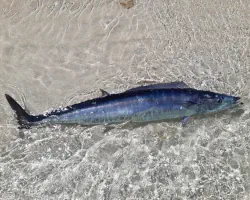
The wahooDiscover the wahoo (Acanthocybium solandri), a powerful pelagic predator found in tropical and subtropical oceans. Recognizable by its streamlined body and distinctive blue vertical stripes, it is a fast swimmer that feeds mainly on fish and squid.Read more
Photo of the Day
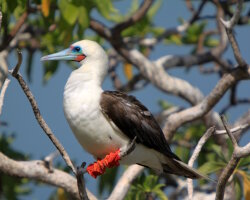
Fou à pieds rouges
(Sula sula)
(Sula sula)
 Copyright © 2007-2026 auxBulles.com - All rights reserved. Legal notices.
Photo credits - Our partners