

Islands destinationThe Dominican RepublicGreater Antilles | Caribbean Sea
Last updated on 08/31/2026 at 11:55 PM
Located in the Greater Antilles, the Dominican Republic occupies nearly two-thirds of the eastern part of the island of Hispaniola, which Christopher Columbus reached in 1492 during his first voyage to the Americas aboard his ship, the Santa Maria. The island, then inhabited by Taíno peoples, is today divided between the Dominican Republic and Haiti. Bordered by the Atlantic Ocean to the north and the Caribbean Sea to the south, it offers remarkable landscape diversity, ranging from long white-sand beaches and turquoise waters to tropical forests, mountains, and coastal villages. With its tropical climate and extensive tourism infrastructure, it is one of the Caribbean's most popular destinations.

A palm tree twists toward the blue sky of the Dominican Republic
While Punta Cana is particularly famous for its beaches and large resorts, the Dominican Republic is much more than its beach resorts. From Santo Domingo, with its UNESCO World Heritage-listed Colonial City, to the wild landscapes of Samaná and Los Haitises National Park, the country offers countless opportunities for excursions and exploration.
Paradise beaches between the Atlantic and Caribbean
With more than 995 miles of coastline, the Dominican Republic offers a great variety of coastal landscapes. On the eastern coast, around Punta Cana and Bávaro, long white-sand beaches lined with coconut palms stretch along turquoise waters. This region is home to a large share of the country's tourist infrastructure and offers numerous opportunities for swimming, snorkeling, paddleboarding, and boat excursions.

All the ingredients are there to make the Dominican Republic a tropical paradise
Beyond Punta Cana, other regions offer more pristine coastal landscapes. The Samaná Peninsula is known for its beaches, cliffs, and tropical scenery, while the northern coast is home to popular resorts such as Puerto Plata and Sosúa. In the southeast, the area around Bayahibe is also a popular starting point for exploring the islands and crystal-clear waters of Cotubanamá National Park, also known as East National Park.
Punta Cana, the ultimate beach destination
Punta Cana, located at the eastern tip of the country, is the Dominican Republic's best-known tourist destination. Its dozens of miles of white-sand beaches and turquoise waters have encouraged the development of numerous resorts, golf courses, restaurants, and recreational activities. The beaches of Bávaro and Macao are among the most famous in this coastal region.

A cruise sailboat sails off the coast of the Dominican Republic on the turquoise waters of the Caribbean Sea
Punta Cana is also an excellent base for discovering the area's natural landscapes. Excursions can take you to the island of Saona by catamaran, explore the waters around Catalina Island, or discover the mangroves and caves of Los Haitises National Park. Inland, the Ojos Indígenas Ecological Reserve and Hoyo Azul cenote offer additional opportunities to explore the region's natural environments.

The white sails of a sailboat glide across the blue sky of the Dominican Republic
Santo Domingo, history and culture
Santo Domingo, the capital, offers a striking contrast to the beach resorts along the coast. Founded in the late 15th century, it is home to the oldest colonial city in the Americas and preserves an important architectural heritage in its Colonial City, a UNESCO World Heritage Site. The Catedral Primada de América, Alcázar de Colón, and Calle Las Damas are among the main landmarks to discover while exploring the historic center.
The capital, however, is more than its colonial heritage. The Malecón, which runs along the Caribbean Sea, offers a pleasant waterfront promenade, while museums, restaurants, theaters, and modern neighborhoods reflect the city's vibrant cultural life. Urban parks and the botanical garden also provide an opportunity to discover another side of Santo Domingo, more closely connected to nature and everyday Dominican life.
Discovering tropical nature
The Dominican Republic has remarkably diverse terrain, with mountain ranges, tropical forests, fertile valleys, and numerous protected areas. Los Haitises National Park, in the Samaná region, is one of the best examples of this diversity. Its landscapes combine mangroves, islands, rock formations, tropical forests, and caves decorated with petroglyphs and rock paintings.
The country also offers numerous opportunities for hiking and outdoor activities. In the mountainous inland regions, particularly around Jarabacoa and Constanza, the scenery changes dramatically compared with the tropical coastline. This diversity makes it easy to combine a beach vacation with cultural discoveries and excursions into natural areas.
Must-see attractions
Punta Cana and its long white-sand beaches, the island of Saona and its turquoise waters, as well as the Samaná Peninsula are among the must-see destinations for experiencing the Dominican Republic's tropical landscapes. Nature lovers can also explore Los Haitises National Park, with its mangroves, islands, caves, and spectacular rock formations.
To discover the country's heritage, plan a stop in Santo Domingo and its Colonial City, then explore the landscapes farther inland. Depending on the region you choose, you can also visit Puerto Plata, Bayahibe, La Romana, or the coastal villages of the Samaná Peninsula.
How to get there ?
The Dominican Republic is easily accessible by air thanks to several international airports. The main ones are Punta Cana International Airport (PUJ), Las Américas International Airport in Santo Domingo (SDQ), Cibao International Airport in Santiago (STI), and Gregorio Luperón International Airport in Puerto Plata (POP). The country has a total of eight international airports, allowing travelers to choose their arrival point based on the region they plan to visit.
Choosing the right airport is particularly important for minimizing travel times once you arrive. From the main tourist destinations, buses, taxis, and transportation services provide access to different parts of the country, while domestic and charter flights also connect several tourist hubs. To reach Punta Cana from Santo Domingo, the Autopista del Coral can cover the journey in less than three hours under normal conditions.
The islands from caribbean Sea
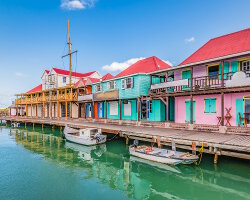
Antigua island
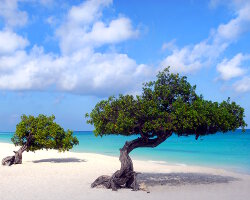
Aruba island
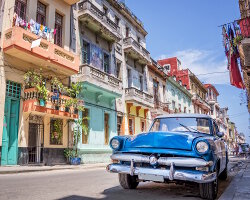
Cuba island
Désirade island
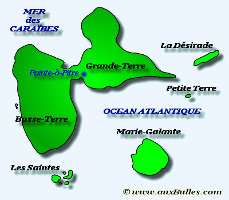
Guadeloupe island
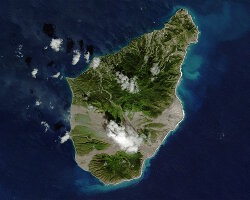
Montserrat island
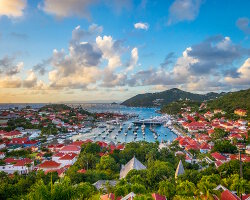
Saint Barthélemy island
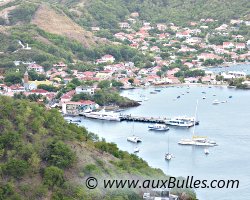
Saintes island
Explore new islands
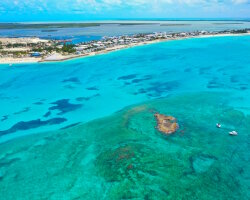
Bimini islands

Burano island
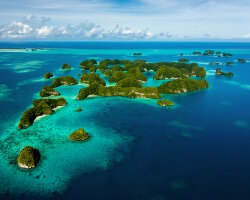
Caroline islands
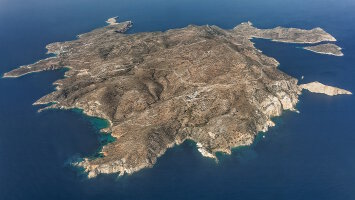
Donoussa island
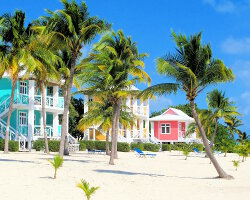
Little Cayman island
Mariana islands
Mykonos island
New-Zealand
Our latestUpdates
The neon gobyDiscover the neon goby (Elacatinus oceanops), a small western Atlantic reef fish known for its brilliant blue stripe and its role as a cleaner fish that removes parasites from other fish.Read more

The poison gobyDiscover the poison goby (Gobiodon citrinus), a tiny reef fish with a bright yellow body and distinctive blue markings. It lives among branching Acropora corals in the tropical waters of the Indo-Pacific.Read more
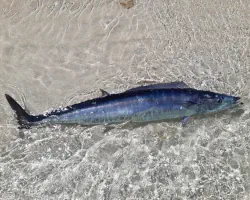
The wahooDiscover the wahoo (Acanthocybium solandri), a powerful pelagic predator found in tropical and subtropical oceans. Recognizable by its streamlined body and distinctive blue vertical stripes, it is a fast swimmer that feeds mainly on fish and squid.Read more
Photo of the Day
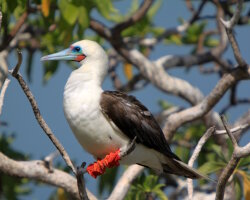
Fou à pieds rouges
(Sula sula)
(Sula sula)
 Copyright © 2007-2026 auxBulles.com - All rights reserved. Legal notices.
Photo credits - Our partners