

Sealife guideThe blacknose sharkCarcharhinus acronotus
Last updated on 09/14/2026 at 11:03 PM

The blacknose shark (Carcharhinus acronotus) © Andrey Simonenko | Dreamstime.com
The blacknose shark (Carcharhinus acronotus) is a small coastal shark easily recognized by the dark spot marking the tip of its snout. Its streamlined body allows it to swim quickly and pursue the small fish on which it feeds.
It lives in the warm waters of the western Atlantic, particularly in the Gulf of Mexico and the Caribbean. Despite its relatively modest size, this shark plays the role of a predator in the coastal ecosystems where it lives.
Taxonomy
English names
Blacknose shark
French namesRequin nez noir
Spanish namesTiburón cangüay
Scientific nameCarcharhinus acronotus (Poey, 1860)
FamilyCarcharhinidae
OrderCarcharhiniformes
ClassElasmobranchii
Description
The blacknose shark has an elongated, streamlined body, with a fairly long, rounded snout. Its back is generally gray to grayish brown, while its underside is lighter. A characteristic dark spot marks the tip of the snout, particularly noticeable in young individuals but often becoming less distinct with age.

The blacknose shark (Carcharhinus acronotus) © Rob Atherton | Dreamstime.com
Its first dorsal fin is relatively small and begins at or slightly behind the tip of the pectoral fins. The largest individuals can reach up to 4.6 feet in length.
The blacknose shark has five pairs of short gill slits on the sides of its head, through which water passes, allowing it to breathe.
Geographic range
The blacknose shark inhabits the tropical and warm-temperate waters of the western North Atlantic, from North Carolina in the United States to southern Brazil, as well as the Gulf of Mexico, the Bahamas, and the Caribbean Sea.
It is also found around numerous Caribbean islands, including Cuba, Jamaica, Puerto Rico, the Cayman Islands, Guadeloupe, and Martinique.
Habitat
The blacknose shark primarily inhabits coastal waters, close to shore and around islands. It swims above sandy bottoms, shell debris, or coral reefs. It can also be observed near reefs and in other coastal areas where it finds sufficient food.
Young individuals generally live in shallow waters, particularly in areas that serve as nursery grounds. Adults are found at greater depths, generally between about 33 and 197 feet.
Diet
The blacknose shark is a predator that feeds primarily on small fish such as sea robins, porgies, and anchovies, as well as some pufferfish and boxfish.
It can also eat octopuses and other small marine animals. The blacknose shark may live alone but sometimes forms groups, particularly around schools of fish such as mullet or anchovies, which it preys upon.
Reproduction
The blacknose shark is viviparous: the embryos develop inside the female and are nourished through a placenta-like structure. After a gestation period of about ten months, the female gives birth to fully developed young that are capable of swimming.
The female generally gives birth to 3 to 6 pups, sometimes as many as 8. At birth, the young measure about 17 to 20 inches and remain in shallow coastal waters, where they find favorable conditions for growth.
Did you know ?
When threatened, the blacknose shark can adopt a remarkable defensive posture: it arches its back, raises its head, and lowers its tail. This behavior appears to serve as a warning to an approaching animal that it is ready to defend itself.
The blacknose shark is listed as many other marine species within The IUCN Red List of threatened species. The blacknose shark appears in the IUCN Red List since 2021 within the category Endangered !
Within the same genus
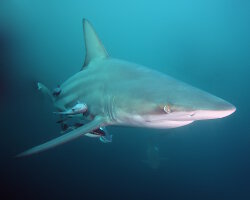
Blacktip sharkCarcharhinus limbatus
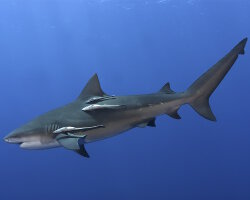
Bull sharkCarcharhinus leucas
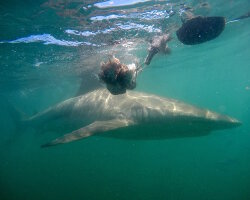
Copper sharkCarcharhinus brachyurus
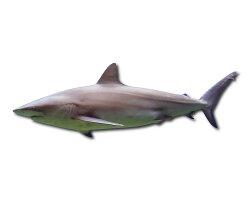
Dusky sharkCarcharhinus obscurus
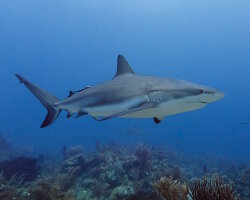
Gray reef sharkCarcharhinus amblyrhynchos
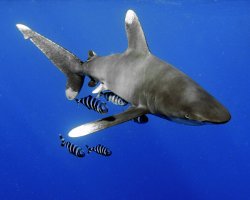
Oceanic whitetip sharkCarcharhinus longimanus
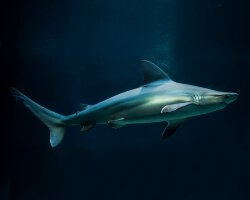
Sandbar sharkCarcharhinus plumbeus
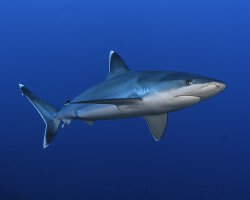
Silvertip sharkCarcharhinus albimarginatus
Within the same family
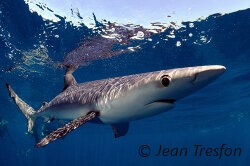
Blue sharkPrionace glauca
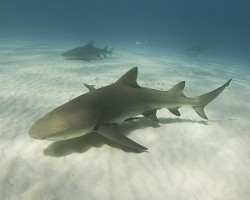
Lemon sharkNegaprion brevirostris
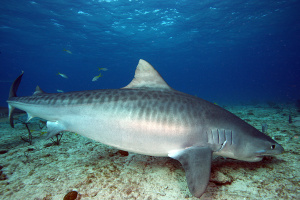
Tiger sharkGaleocerdo cuvier
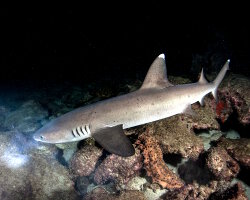
Whitetip reef sharkTriaenodon obesus
Discover also
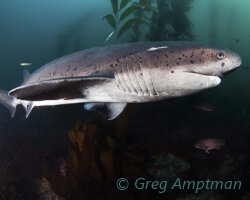
Broadnose sevengill sharkNotorynchus cepedianus
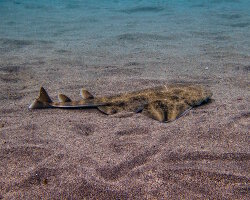
Common angelsharkSquatina squatina
Leafscale gulper sharkCentrophorus squamosus
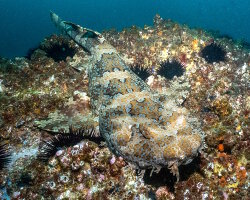
Ornate wobbegongOrectolobus ornatus
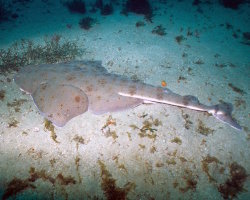
Pacific angelsharkSquatina californica
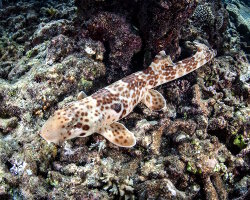
Raja epaulette sharkHemiscyllium freycineti
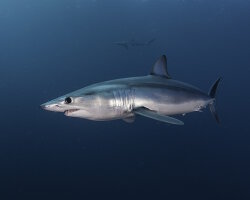
Short fin makoIsurus oxyrinchus
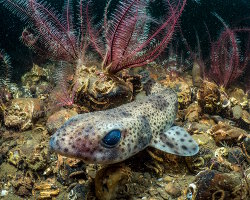
Small-spotted catsharkScyliorhinus canicula
The marine species in the Northwestern Atlantic

Our latestUpdates
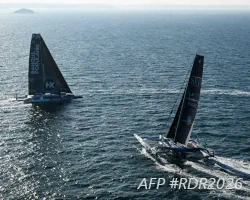
Major movesThe 2026 Route du Rhum enters a decisive phase as Tom Laperche extends his lead in the Ultim class, Armel Le Cléac'h capsizes, and Class40 skippers prepare to face a powerful weather front.Read more
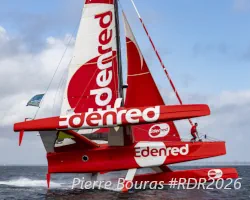
A tough startThe 2026 Route du Rhum gets off to an intense start, with major technical failures, Francis Joyon's capsize, impressive speeds and strategic route choices near the Azores. A look back at the first 48 hours of racing.Read more
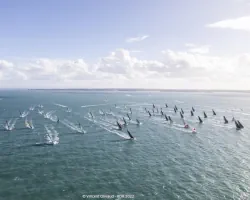
A smooth start, an uncertain AtlanticDiscover the 2026 Route du Rhum start off Saint-Malo, where favorable initial conditions contrast with an uncertain Atlantic crossing shaped by changing winds and weather.Read more
Photo of the Day

Méduse pélagique
(Pelagia noctiluca)
(Pelagia noctiluca)
 Copyright © 2007-2026 auxBulles.com - All rights reserved. Legal notices.
Photo credits - Our partners