

Sealife guideThe lookdownSelene vomer
Last updated on 10/09/2026 at 10:48 PM
The lookdown (Selene vomer) is a marine fish recognizable by its laterally compressed body, almost triangular shape, and silvery sheen. It lives in the coastal waters of the western Atlantic, from the Gulf of Mexico to the Caribbean, where it frequents sandy bottoms and estuaries.
Taxonomy
English names
Lookdown
French namesCarangue lune
Spanish namesJorobado de penacho
Scientific nameSelene vomer (Linnaeus, 1758)
FamilyCarangidae
OrderCarangiformes
ClassActinopterygii
Description
The lookdown has a metallic appearance with a brilliant bluish sheen. Its tail is a translucent, bright yellow.

The lookdown (Selene vomer) © Henner Damke | Dreamstime.com
Its strongly laterally compressed body has an almost triangular shape, accentuated by a prominent forehead. Its mouth is located on the lower part of the head. The lookdown has dorsal and anal fins whose front rays are particularly elongated.
The lookdown typically averages around 14 inches in length, but the largest individuals can reach nearly 20 inches.
Geographic range
The lookdown is widely distributed throughout the western Atlantic, along the U.S. coast from Maine south to Florida, and along the coast of Central and South America as far south as Uruguay.
The lookdown is also found in the Gulf of Mexico and around the major Caribbean islands, including Cuba, Jamaica, Hispaniola, Puerto Rico, the Bahamas, and the Lesser Antilles, extending south to Trinidad and Tobago.
The lookdown undertakes extensive seasonal and annual migrations to reach spawning grounds or areas more suitable for overwintering.
Habitat
The lookdown frequents brackish waters and moves in schools, whose numbers help protect it from predators. In addition, the metallic flashes of light coming from all directions make it harder for predators to spot and isolate an individual fish.
Diet
The lookdown feeds mainly on small crustaceans, such as crabs and shrimp, as well as worms and small fish, which it hunts primarily at dawn and dusk.
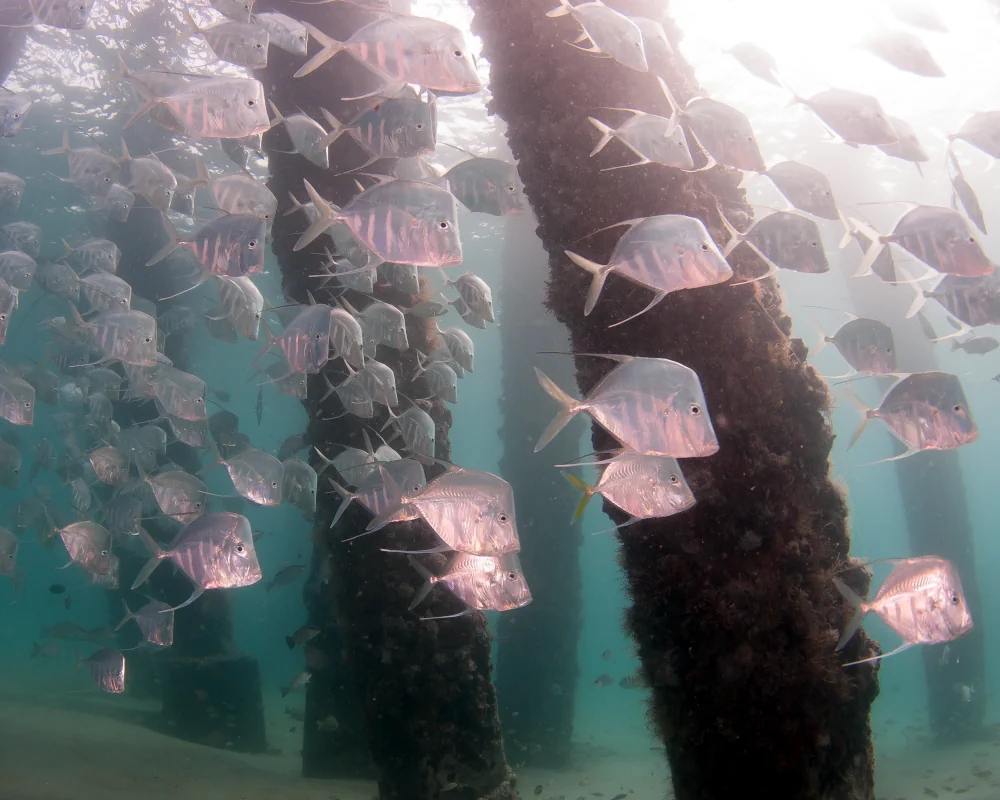
A school of lookdown beneath a pier in southern Florida © Peter Leahy | Dreamstime.com
Reproduction
Juveniles develop near estuary mouths, where mangroves provide shelter and food.
Juveniles differ from the shiny, silvery adults by their broad, dark, slightly oblique vertical bands and a dark band running across their eyes. The first rays of the dorsal and anal fins are also greatly elongated, forming long filaments that shorten as the fish grows.
Did you know ?
The lookdown is listed as many other marine species within The IUCN Red List of threatened species. The lookdown appears in the IUCN Red List since 2015 within the category Least Concern !

The darker-colored juveniles stand out among the adult lookdown in the school © Peter Leahy | Dreamstime.com
Within the same family
Blue runnerCaranx crysos

Bluefin trevallyCaranx melampygus

Double-spotted queenfishScomberoides lysan
Golden trevallyGnathanodon speciosus
Horse-eye jackCaranx latus

Indian threadfishAlectis indica

LeerfishLichia amia
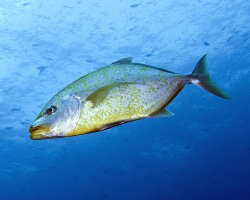
Orangespotted trevallyFlavocaranx bajad
Discover also
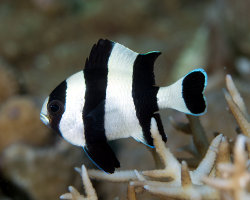
Blacktailed damselfishDascyllus melanurus

Bleeker's damselChrysiptera bleekeri
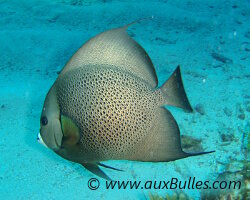
Gray angelfishPomacanthus arcuatus

Leaf scorpionfishTaenianotus triacanthus
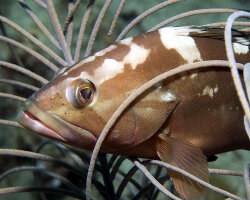
Red grouperEpinephelus morio
Sheepshead porgyCalamus penna
Striped surgeonfishAcanthurus lineatus

Yellowstriped cardinalfishOstorhinchus cyanosoma
The marine species in the Western Atlantic


Our latestUpdates
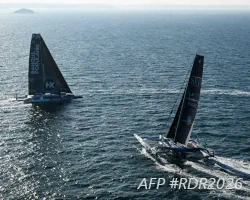
Major movesThe 2026 Route du Rhum enters a decisive phase as Tom Laperche extends his lead in the Ultim class, Armel Le Cléac'h capsizes, and Class40 skippers prepare to face a powerful weather front.Read more
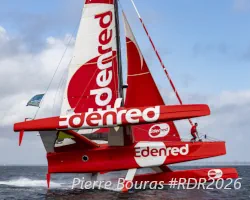
A tough startThe 2026 Route du Rhum gets off to an intense start, with major technical failures, Francis Joyon's capsize, impressive speeds and strategic route choices near the Azores. A look back at the first 48 hours of racing.Read more
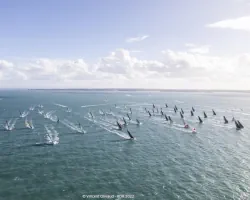
A smooth start, an uncertain AtlanticDiscover the 2026 Route du Rhum start off Saint-Malo, where favorable initial conditions contrast with an uncertain Atlantic crossing shaped by changing winds and weather.Read more
Photo of the Day

Méduse pélagique
(Pelagia noctiluca)
(Pelagia noctiluca)
 Copyright © 2007-2026 auxBulles.com - All rights reserved. Legal notices.
Photo credits - Our partners