

Islands destinationThe islands of Japan: an archipelago of a thousand facesPacific Ocean | East China Sea
Last updated on 08/25/2026 at 10:08 PM
Japan is a vast archipelago made up of thousands of islands stretching more than 1,865 miles from north to south. Located east of the Asian continent, this island nation forms a natural boundary between the Pacific Ocean and the Sea of Japan. This unique geographic position has strongly influenced the country's history, culture, and way of life.
From volcanic landscapes and subtropical beaches to snow-covered mountains and major coastal cities, the Japanese islands offer exceptional diversity. Each region has its own traditions, climates, and ecosystems, making Japan one of the most diverse archipelagos in the world.
The four main islands
Japan is primarily made up of four main islands: Honshu, Hokkaido, Kyushu, and Shikoku. Honshu is the largest and most populous. It is home to major cities such as Tokyo, Osaka, Kyoto, and Hiroshima, as well as the famous Mount Fuji. It is the political, economic, and cultural heart of the country.
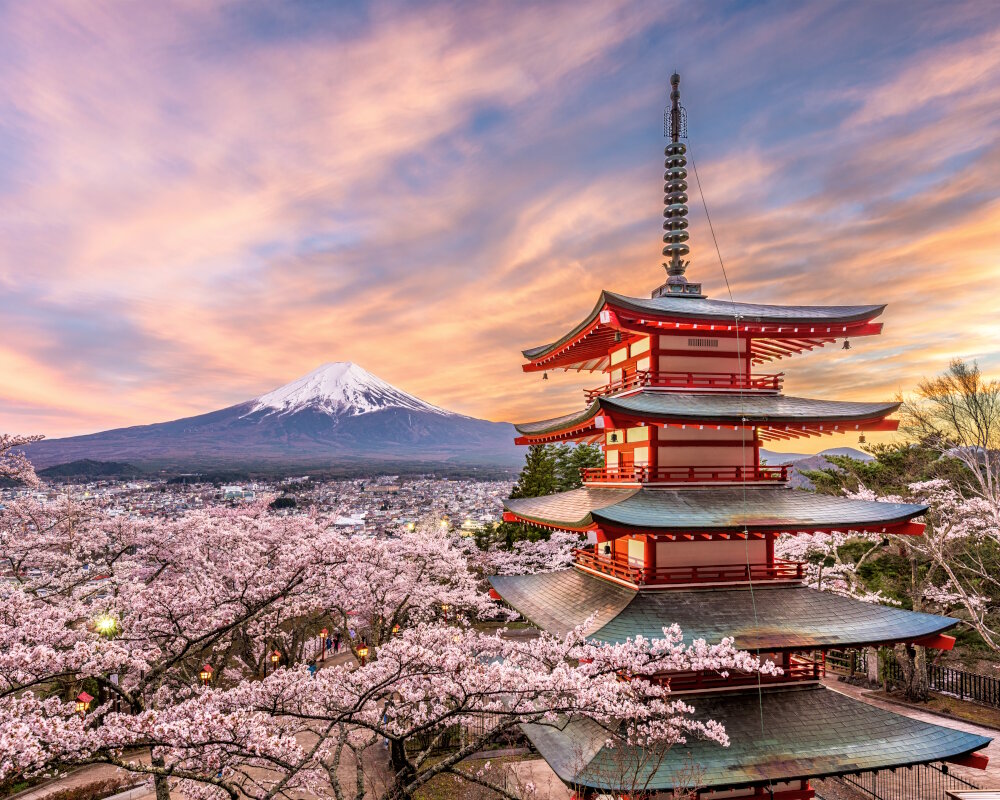
View of Mount Fuji and the Chureito Pagoda in spring with cherry blossoms in bloom © Manwolste | Dreamstime.com
Hokkaido, to the north, is renowned for its vast natural areas, harsh winters, and wild landscapes. Kyushu, in the southwest, is known for its intense volcanic activity and hot springs, while smaller Shikoku is famous for its temples and its renowned pilgrimage to 88 temples.
A volcanic archipelago in motion
Japan lies along the « Pacific Ring of Fire », an area of intense tectonic activity. The country has more than 100 active volcanoes, which explains the presence of numerous mountainous areas and natural hot springs known as « onsen » in Japanese. These geological phenomena continuously shape the landscape.
This volcanic activity is also responsible for frequent earthquakes. Although these events can be destructive, they have encouraged Japan to develop some of the world's most advanced construction technologies, capable of withstanding earthquakes.
Highly contrasting climates
Japan's great north-to-south extent results in a wide variety of climates. Hokkaido experiences cold, snowy winters comparable to those of some parts of Canada, while Okinawa and the southern islands enjoy a warm, humid subtropical climate.
Between these extremes, the central regions experience four distinct seasons. Spring is famous for cherry blossoms, while fall offers spectacular landscapes with brilliant colors. These climatic variations strongly influence agriculture and local ways of life.
Rich and unique biodiversity
Japan's geographic isolation has favored the emergence of numerous endemic species found nowhere else. Animals such as the Japanese macaque, which can bathe in hot springs, as well as certain rare bird species, reflect this natural richness.
The waters surrounding the archipelago are also highly productive. Thanks to ocean currents, Japan has some of the world's most abundant fishing grounds. This marine biodiversity plays a central role in Japanese cuisine and the country's economy.
The islands and Japanese culture
The islands have profoundly influenced Japanese culture. The country's insular nature has encouraged the development of distinctive traditions, a strong sense of national identity, and a special relationship with nature. Mountains, forests, and the sea hold an important place in beliefs and the arts.
Each island and region has its own festivals, culinary specialties, and dialects. This internal cultural diversity makes Japan a country that is both highly unified and extremely varied in its local expressions.
Exploring Japan's underwater wonders
Japan is not only famous for its millennia-old culture and majestic mountains, it is also home to some of the world's most fascinating scuba diving sites. Thanks to the influence of the warm Kuroshio Current and the archipelago's great geographic diversity, Japanese waters offer remarkable biodiversity, ranging from tropical coral reefs to temperate areas inhabited by numerous marine species. Among the most popular regions, Okinawa and the Yaeyama Islands are must-visit destinations for divers, with clear waters, coral formations, and the opportunity to observe manta rays in their natural habitat.
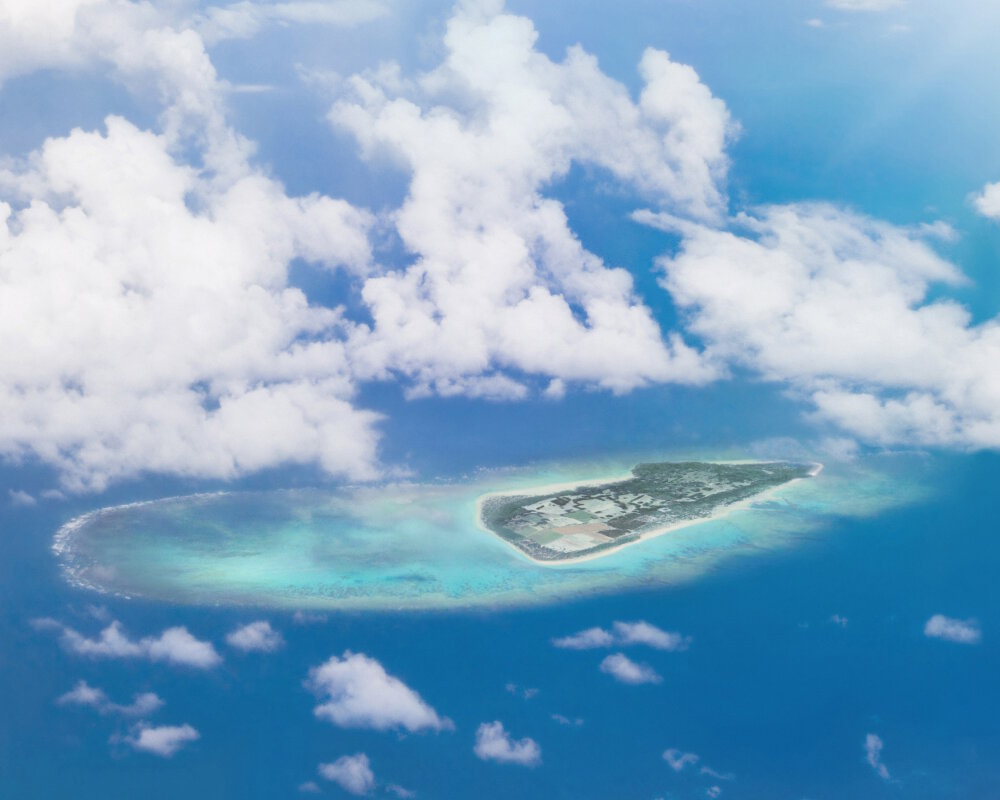
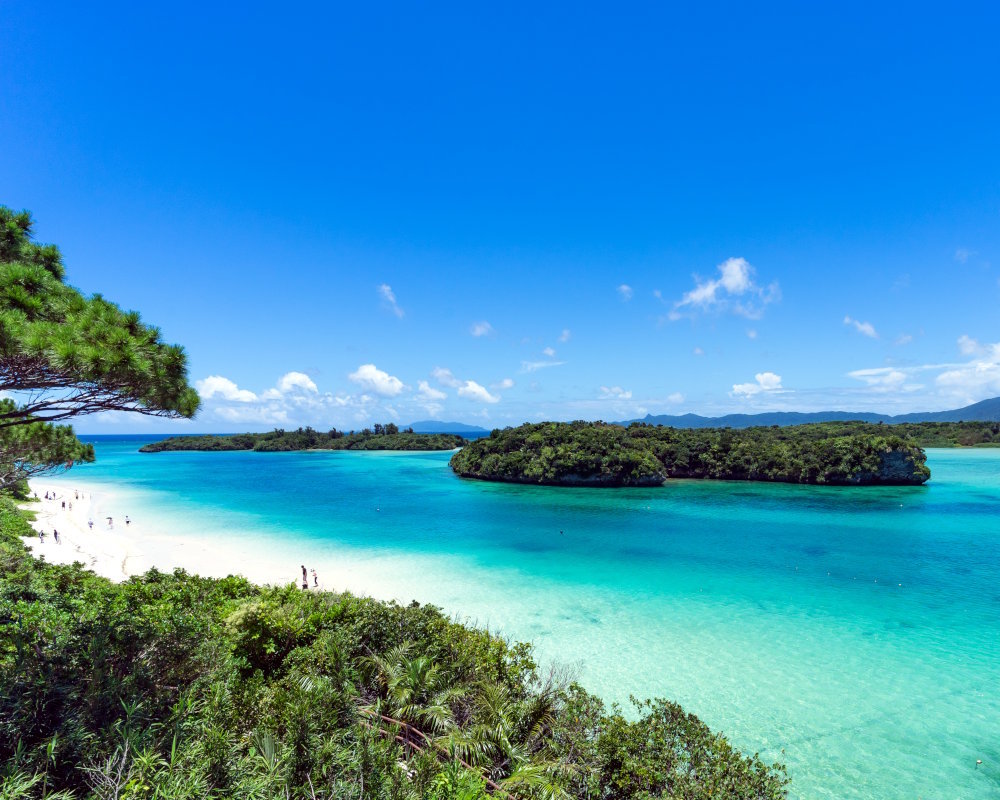
Around Ishigaki Island, in the far south of Japan, are some of the country's richest areas for marine life. Colorful coral reefs, underwater canyons, and arches create spectacular underwater landscapes, while iconic species such as manta rays are regularly observed, particularly around sites such as « Manta Scramble ».
Farther north, other areas such as the Kii Peninsula on the main island of Honshu offer a different experience, with varying depths, easily explored wrecks, and abundant marine life near beaches such as Shirahama and dive sites around Tanabe. These sites are suitable for divers of all experience levels, from beginners to experienced divers, and provide opportunities to observe both fascinating small marine creatures and unique underwater geological formations.
Getting around the archipelago
Traveling throughout Japan is both convenient and efficient thanks to its highly developed transportation network. One of the fastest and most iconic options is the Shinkansen, the famous high-speed train that connects major cities such as Tokyo, Kyoto, Osaka, and Hiroshima in just a few hours. These trains allow travelers to cover hundreds of miles at speeds of more than 185 mph in exceptional comfort, making it possible to explore several regions in a single day. Regional and express trains complement the network by serving less accessible cities and villages, providing extensive coverage across the archipelago.

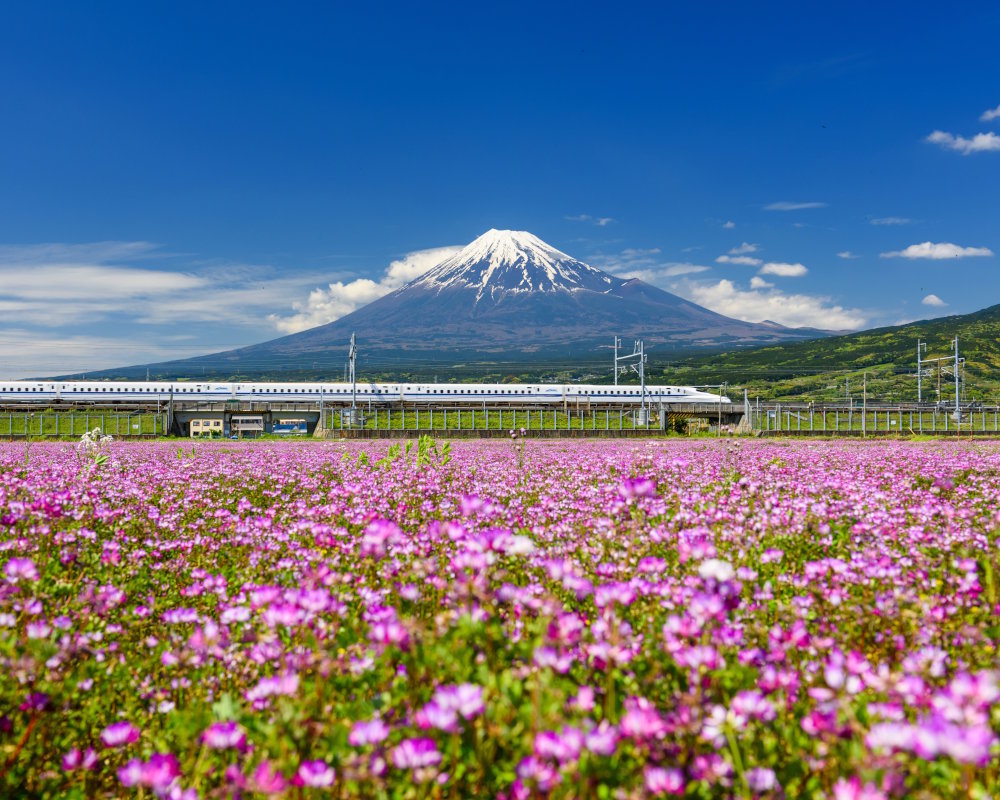
For local and tourist travel, Japan also has an extensive network of buses, subways, and ferries. Ferries are particularly useful for reaching outlying islands such as Okinawa or the islands south of Kyushu and in southern Japan. Prepaid transportation cards, such as Suica and Pasmo, make it easier to combine trains, subways, and buses in major cities, while tourist passes such as the Japan Rail Pass allow unlimited travel on the Shinkansen and most regional trains for several days. Thanks to this infrastructure, exploring Japan's islands is fast, flexible, and comfortable.
For long domestic journeys, flying is also a fast option between the archipelago's main islands.
Did you know ?
- The northernmost major island of Japan is Hokkaido, famous for its wild landscapes, snowy winters, and national parks.
- The southernmost inhabited island of the archipelago is Yonaguni, located close to Taiwan and known for its mysterious underwater formations.
- Japan now has 14 125 islands, of which only about 400 are inhabited according to modern 2023 surveys, compared with about 6 852 previously. Most of these islands are small and uninhabited.
- Japan's coastline stretches for more than 21 000 miles, making it one of the longest in the world for a country of its size.
- Despite its limited land area, Japan has the ninth-largest exclusive economic zone in the world, providing vast access to marine resources.
How to get there ?
Japan is easily accessible by air through its four main international airports: Tokyo Narita (NRT), Tokyo Haneda (HND), Osaka Kansai (KIX), and Nagoya Chubu (NGO), which are served by numerous international airlines. From Europe, a nonstop flight generally takes between 12 and 14 hours, depending on the departure city.
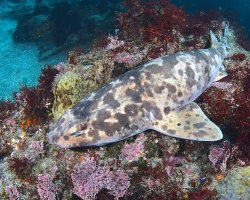
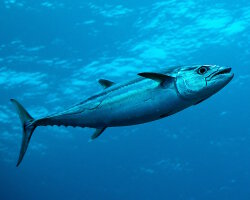
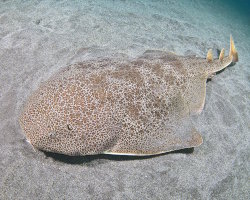
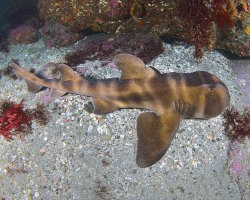
The marine species in Japan

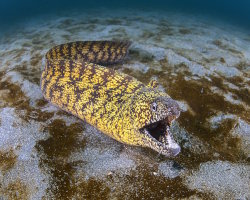
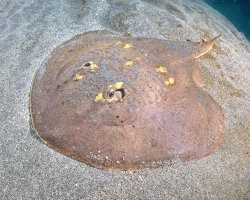
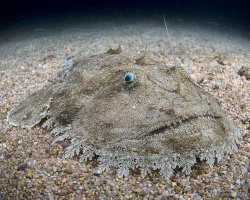
The islands from pacific ocean

Explore new islands


Our latestUpdates

The Guide des poissons de Nouvelle-CalédonieDiscover Guide to the Fishes of New Caledonia by Pierre Laboute and René Grandperrin, an illustrated reference featuring nearly 1,200 species, from rivers and coral reefs to the depths of the ocean.Read more
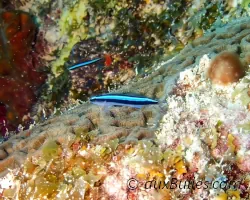
The neon gobyDiscover the neon goby (Elacatinus oceanops), a small western Atlantic reef fish known for its brilliant blue stripe and its role as a cleaner fish that removes parasites from other fish.Read more

The poison gobyDiscover the poison goby (Gobiodon citrinus), a tiny reef fish with a bright yellow body and distinctive blue markings. It lives among branching Acropora corals in the tropical waters of the Indo-Pacific.Read more
Photo of the Day

Gorette bleue
(Haemulon sciurus)
(Haemulon sciurus)
 Copyright © 2007-2026 auxBulles.com - All rights reserved. Legal notices.
Photo credits - Our partners