

Islands destinationMedes islandsCosta Brava | Mediterranean sea
Last updated on 04/29/2026 at 12:03 AM

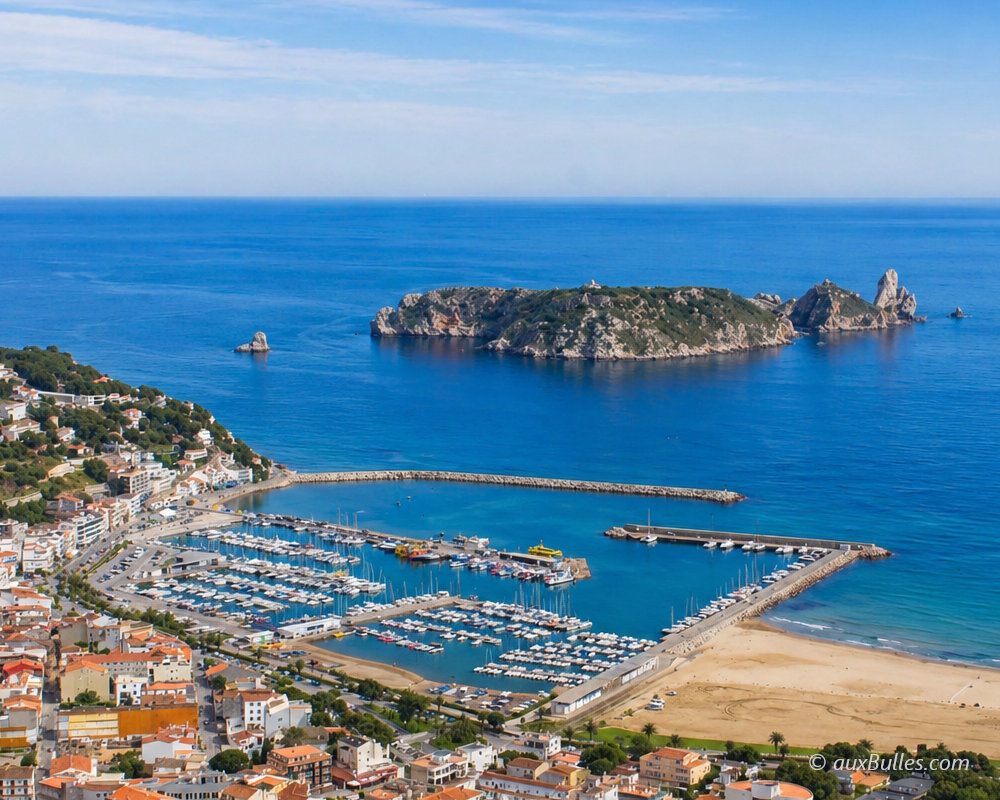
Panoramic view of the town of L'Estartit, its harbor, its wide sandy beach, and the Medes islands
Located off L'Estartit on the Costa Brava coast, the Medes islands form a small archipelago renowned for its natural richness and the beauty of its seabed. This group of seven rocky islands is part of the Montgrí, Medes islands and Baix Ter Natural Park, a protected area that attracts visitors from all over the world each year.
A true symbol of L'Estartit, the Medes islands offer a unique landscape of steep cliffs, crystal-clear waters and exceptional biodiversity. Whether you are passionate about diving, a nature lover or simply curious to discover one of the most beautiful Mediterranean seascapes, an excursion to this archipelago is an unforgettable experience during a stay on the Costa Brava.
Geographical location
The Medes islands form an archipelago made up of seven rocky islands: El Medallot, Meda Gran, Meda Petita, Ferrenelles, El Tasco Gros, El Tasco Petit, and El Carall Bernat, plus a few islets.

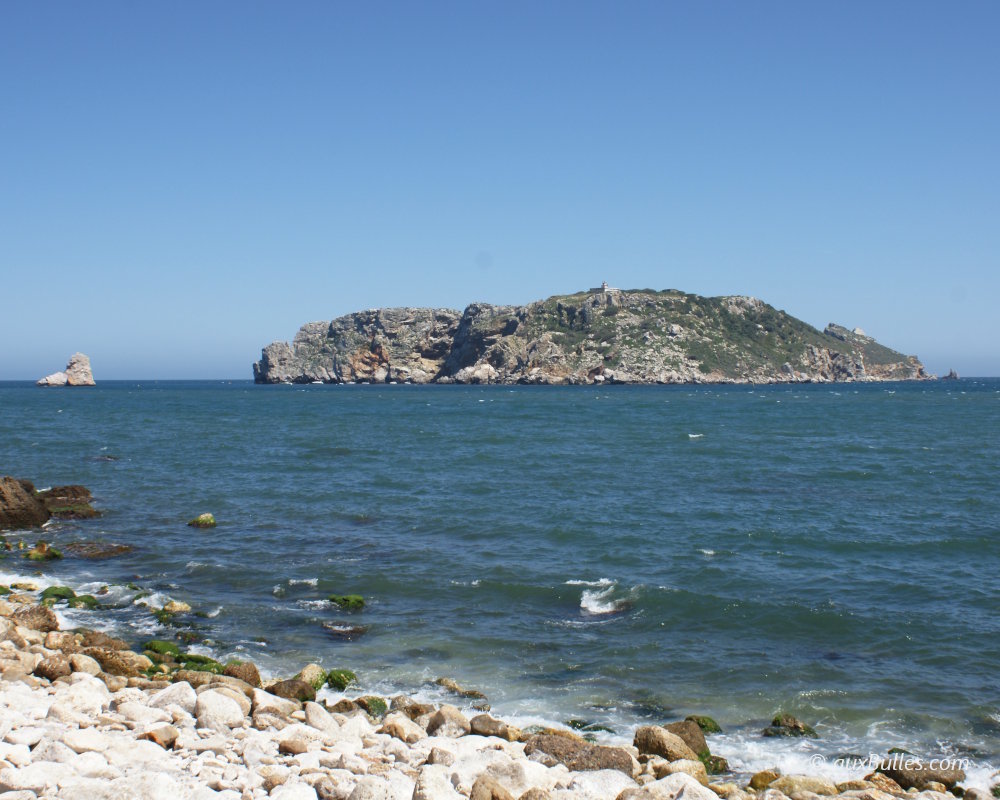
The Medes islands are located in Spain, in the Mediterranean sea along the Costa Brava, about one nautical mile from the seaside resort of L'Estartit.
The Medes islands cover a total area of 52 acres of land, as well as a surrounding marine area of 1,263 acres.
The Medes islands contain numerous remains of past human occupation but have been uninhabited since 1934.
An exceptional marine reserve
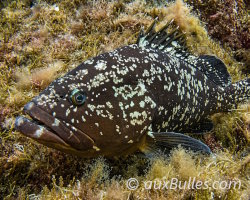
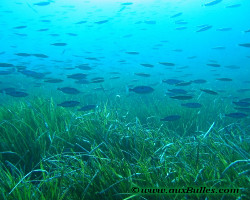
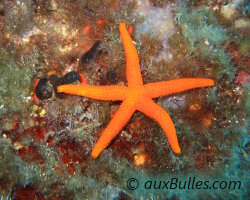
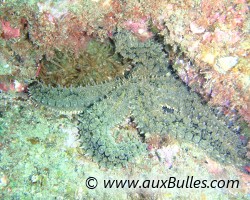
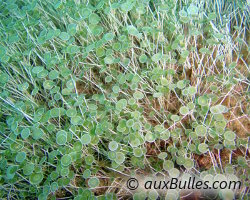
The Medes islands are recognized as one of the most beautiful marine sanctuaries in the western Mediterranean. Thanks to the quality of its waters and strict environmental protection, the archipelago hosts remarkable biodiversity. While diving or snorkeling, it is possible to observe many iconic species such as groupers, eagle rays, scorpionfish, moray eels, octopuses, starfish, as well as vast meadows of Posidonia, essential to the marine ecosystem.
This natural richness makes the Medes islands a must-visit destination for scuba diving enthusiasts, as well as for anyone wishing to discover marine life in a protected environment. The exceptional water clarity allows easy observation of the seabed even during surface excursions, offering an experience accessible to everyone.
The protection of this natural area began in 1983 with the first conservation measures, and was strengthened in 1985 with a ban on fishing around the archipelago. In 1990, official protection was extended to the islands' marine flora and fauna as well as part of the Montgrí coastline, between La Roca del Molinet and Punta Salines, ensuring the long-term preservation of this unique natural heritage.
L'Estartit: a seaside resort between sea and nature
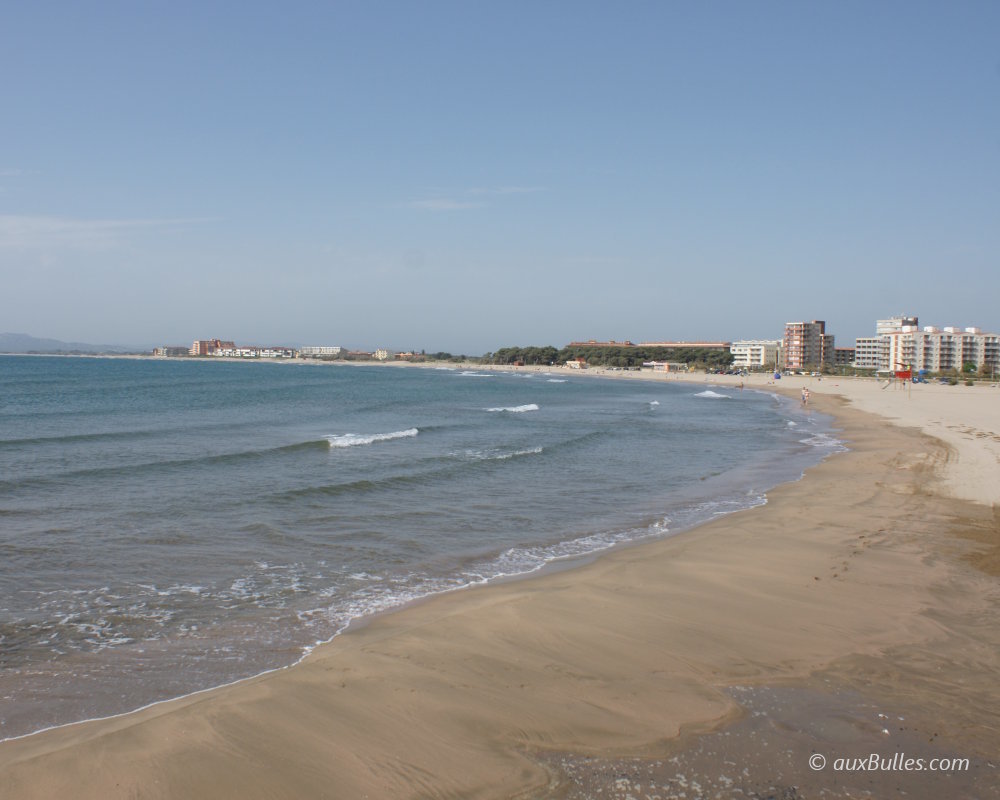
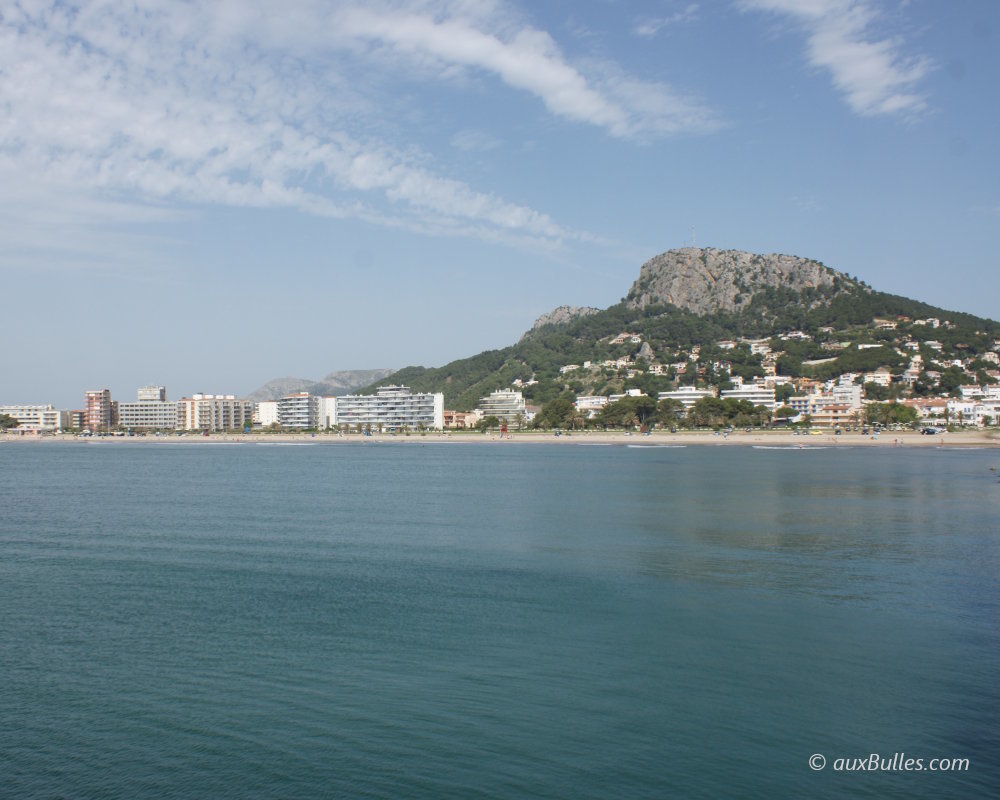
Its wide sandy beach
Located in the heart of the Costa Brava, L'Estartit is a seaside resort known for its friendly atmosphere and exceptional natural setting. Once a fishing village, it has become a popular tourist destination, famous for its wide sandy beach, lively harbor and immediate proximity to the Medes islands. Its coastline, bordered by calm and clear waters, makes it ideal for families, swimmers and water sports enthusiasts.
Its pedestrian street, the lively heart
Its pedestrian street, lined with shops, restaurants, bars and local businesses, is one of the liveliest areas of the resort. Day and night, it invites visitors to stroll and enjoy a pleasant moment after a day by the sea.
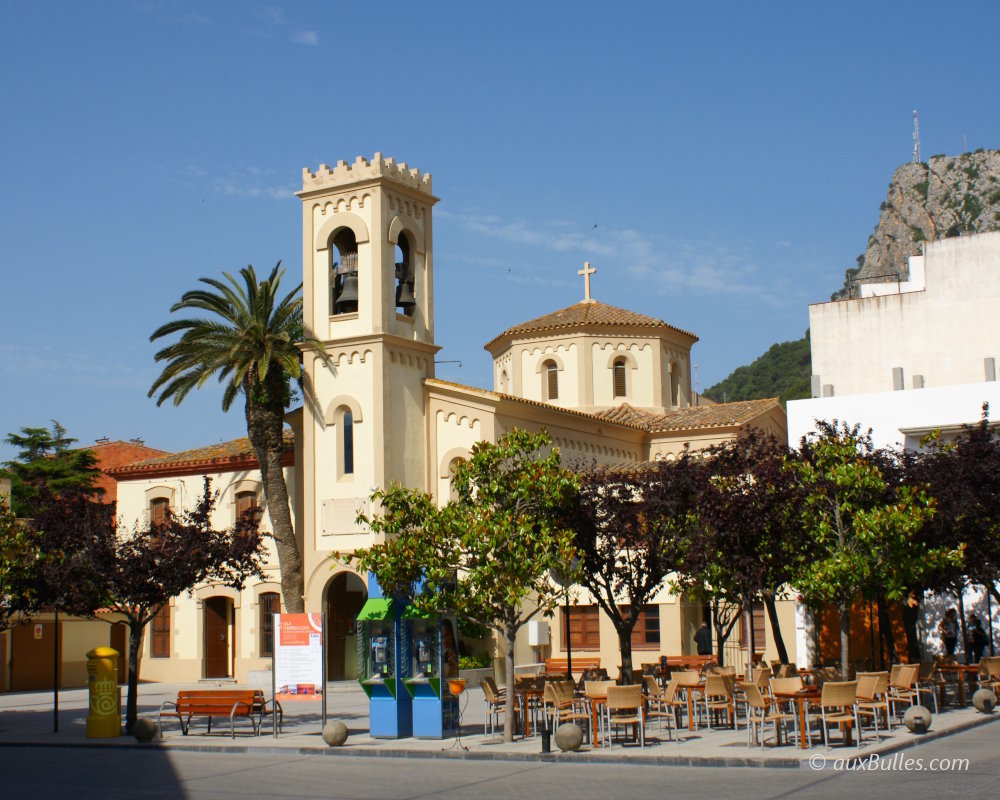
At the end of L'Estartit's pedestrian street, the church square marks the lively heart of the seaside resort
A wide range of activities
L'Estartit offers a wide range of activities. From walks along its beachfront promenade, boat trips, scuba diving, kayaking, or hiking in the Montgrí massif, everyone can enjoy a stay tailored to their preferences, combining relaxation and adventure. Thanks to its privileged location between sea, mountains and natural reserve, L'Estartit is an excellent base for exploring the region.
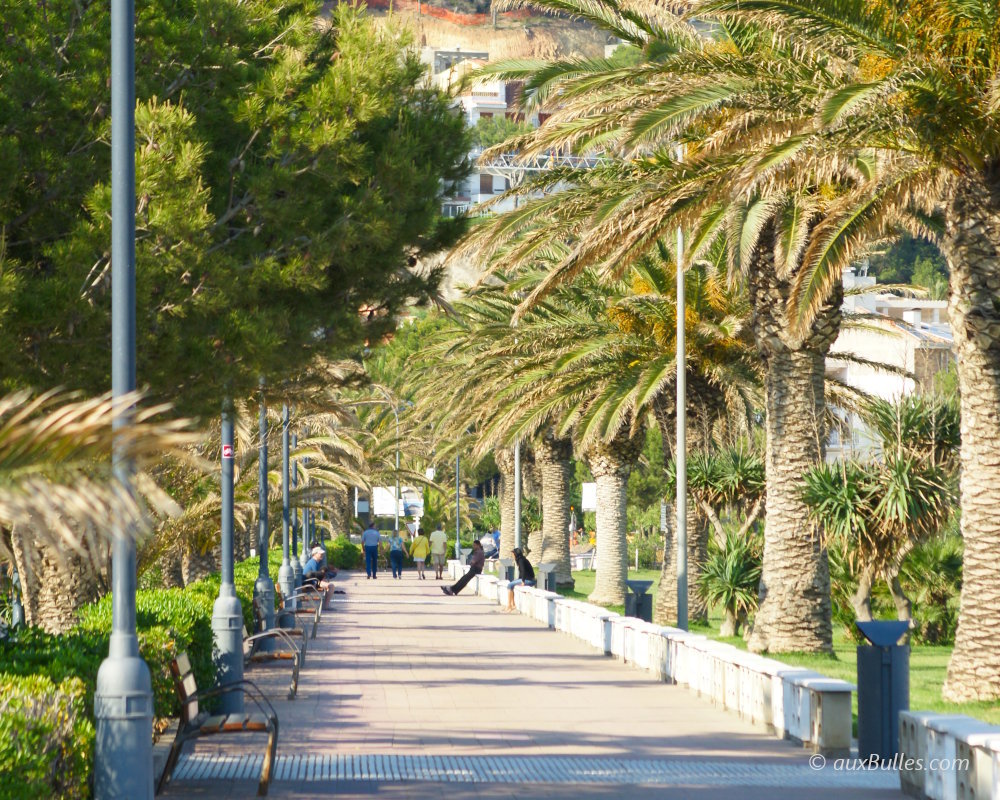
The palm-lined promenade along L'Estartit beach offers a pleasant walk facing the sea and the Medes islands
Its harbor, the departure point for the Medes islands
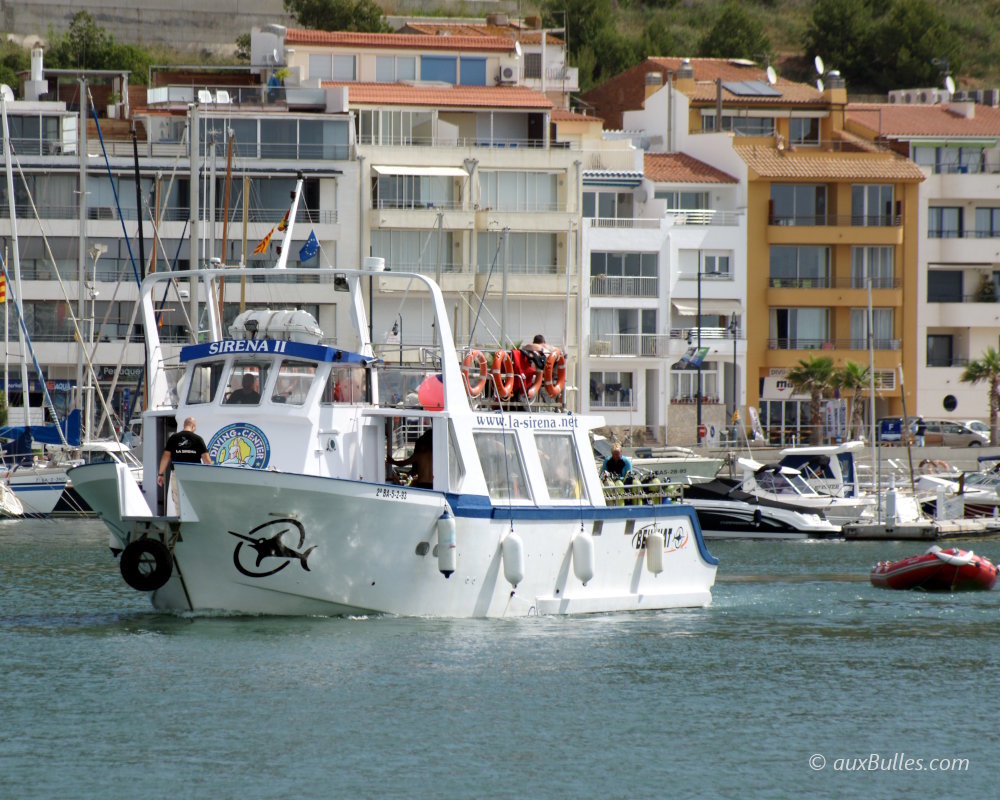
Known for its proximity to the Medes islands, L'Estartit is also a major scuba diving hub on the Costa Brava. The resort has many diving centers offering boat trips, introductory dives and training courses for all levels. Thanks to quick access to the Medes islands marine reserve, divers can explore one of the most spectacular seabeds in the Mediterranean, rich in marine life and underwater landscapes.

What to do there ?
Scuba diving remains the main activity around the Medes islands. Several specialized centers in L'Estartit offer trips suitable for both beginners and experienced divers. The dive sites are varied: underwater caves, natural tunnels and rocky drop-offs offer spectacular landscapes.
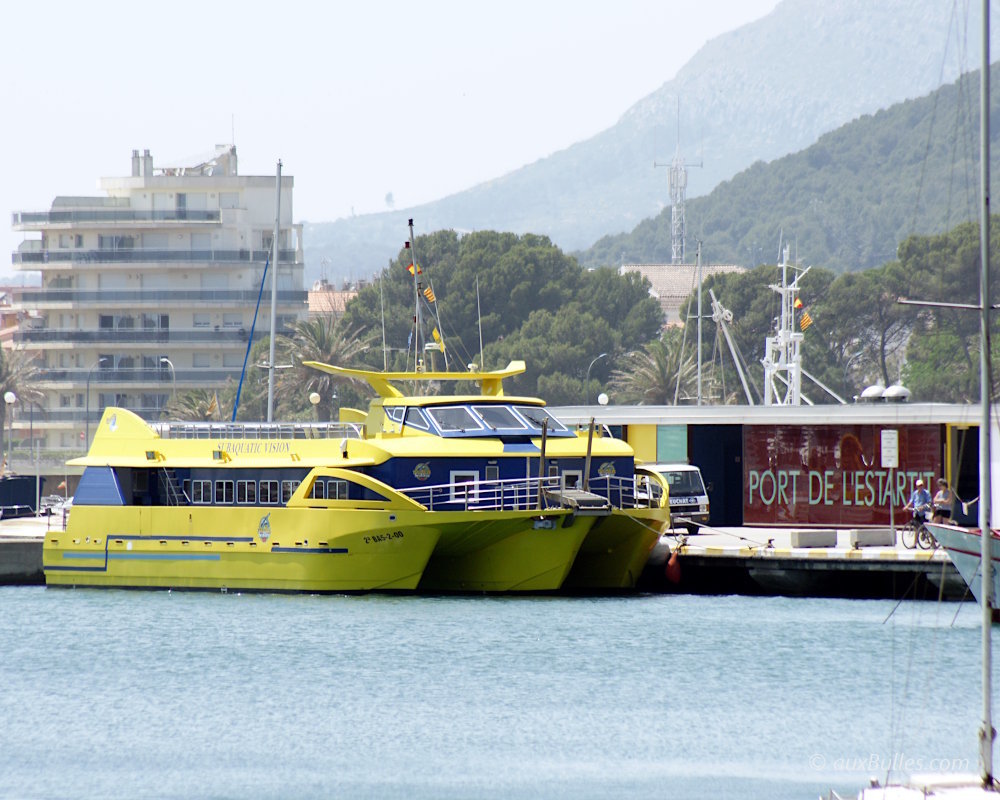
For those who prefer to stay on the surface, glass-bottom boat excursions are an excellent alternative. These trips allow visitors to discover the seabed of the Medes islands Marine Reserve and the Montgrí coastline, passing by Punta de la Barra, Punta Salinas, Cap d'Utrera, Cala Pedrosa and Roca Foradada. Sea kayaking is also very popular, offering a quieter and more immersive way to admire the cliffs and coves around the archipelago.
In L'Estartit, hiking enthusiasts can enjoy numerous coastal trails and natural paths offering spectacular views of the Costa Brava, the Montgrí massif and the Medes islands.
A diving hotspot
In order to protect the seabed, many mooring points have been installed and the number of boats allowed per day is regulated.
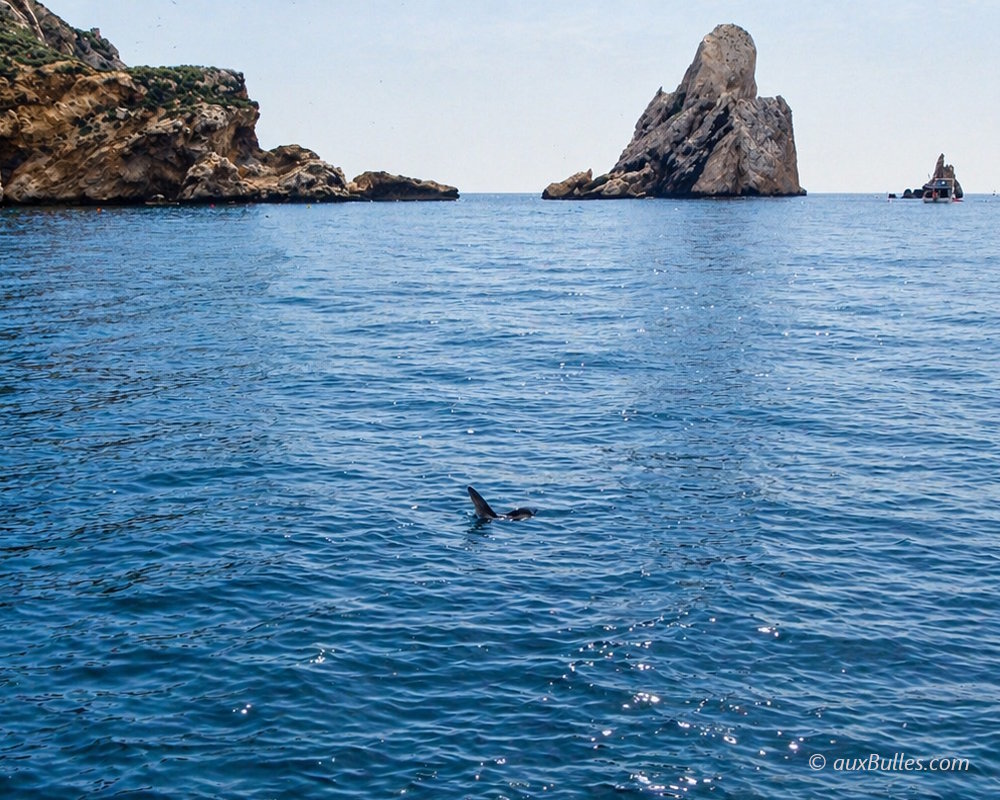
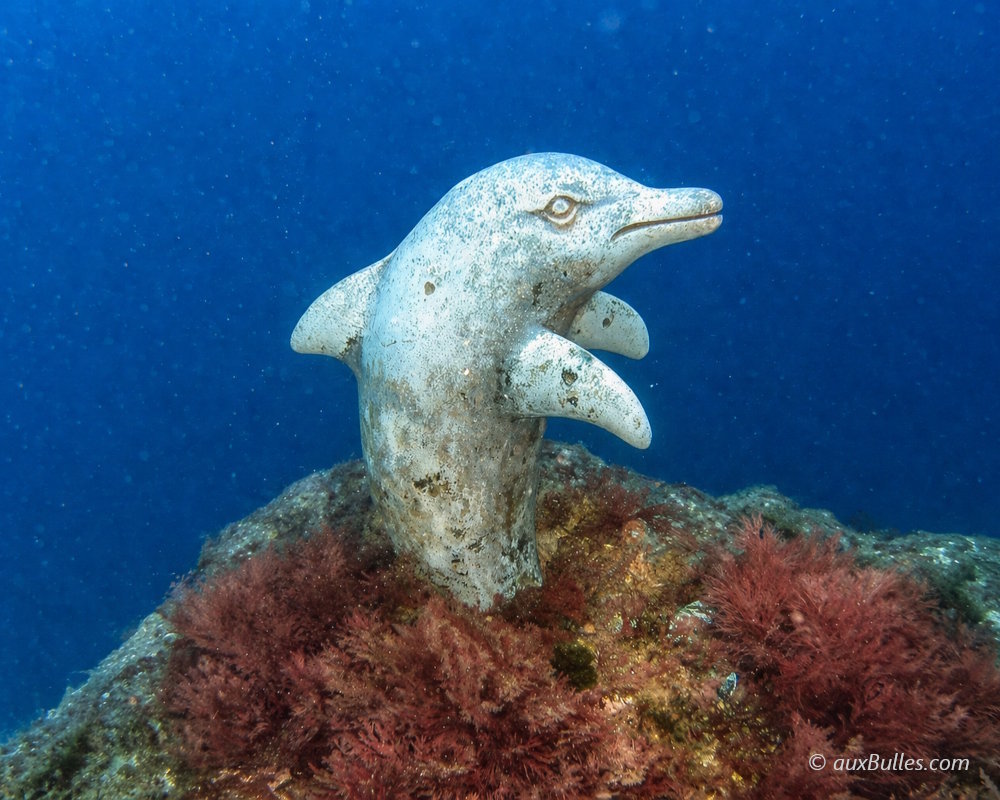
The Medes islands contain a rich network of underwater caves, including the famous Dolphin Cave El Dofi or La Vaca, connected or not by tunnels that delight divers.
The marine fauna and flora are rich and abundant. Beautiful red gorgonians cover the rocky walls at the exits of the caves. Groupers are also common here and will often approach divers out of curiosity !
You may also be lucky enough to encounter an eagle ray or spot the fin of a sunfish at the surface !
How to get there ?
L'Estartit is the main departure point for visiting the Medes islands, easily accessible from several major cities in Catalonia (Spain) and Occitania (France).
By car
By car, it takes about 2h00 from Barcelona and about 50 minutes from Girona. From France, it takes about 1h35 from Perpignan and about 3h20 from Toulouse via the motorway through the Perthus Pass toward Girona, then Torroella de Montgrí and L'Estartit.
By plane
If you are coming from further cities such as Lyon or Paris, flying or taking the train may be a good option. The nearest airport is Girona, less than one hour from L'Estartit. You can also arrive in Barcelona and then rent a car or take a regional bus.
By train
By train, several options are available from France thanks to high-speed TGV connections to Barcelona or Figueres (about 6 hours from Paris). From Figueres, you can continue by bus or taxi to L'Estartit. This is a convenient option for avoiding driving while enjoying a fast journey.
Once in L'Estartit, simply head to the harbor where several companies offer boat excursions around the Medes islands or diving trips. The best time to visit is from May to October, when weather conditions and water temperatures are most pleasant. In high season, booking in advance is recommended, especially for water activities.
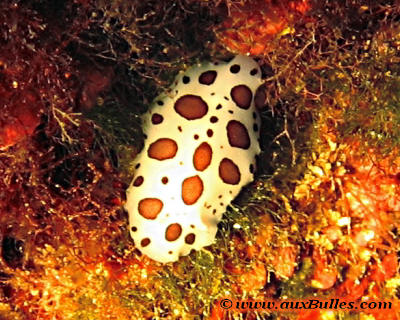
The marine species in the Medes Islands
Spanish islands
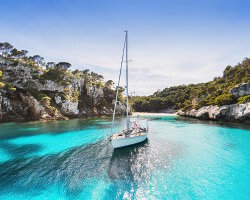
The islands from mediterranean sea
Crete island
Filicudi island
Golden island
Grand Gaou island
Lipari island
Petit Gaou island
Petit Ribaud island
Salina island
Explore new islands


Our latestUpdates
The Guide des poissons de Nouvelle-CalédonieDiscover Guide to the Fishes of New Caledonia by Pierre Laboute and René Grandperrin, an illustrated reference featuring nearly 1,200 species, from rivers and coral reefs to the depths of the ocean.Read more
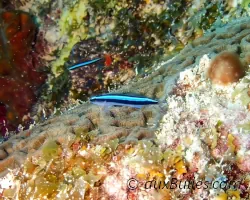
The neon gobyDiscover the neon goby (Elacatinus oceanops), a small western Atlantic reef fish known for its brilliant blue stripe and its role as a cleaner fish that removes parasites from other fish.Read more

The poison gobyDiscover the poison goby (Gobiodon citrinus), a tiny reef fish with a bright yellow body and distinctive blue markings. It lives among branching Acropora corals in the tropical waters of the Indo-Pacific.Read more
Photo of the Day
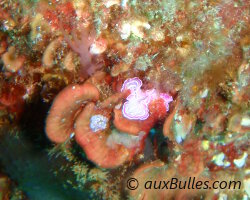
Ver plat rose
(Prostheceraeus roseus)
(Prostheceraeus roseus)
 Copyright © 2007-2026 auxBulles.com - All rights reserved. Legal notices.
Photo credits - Our partners