

Sealife guideThe sepia stingrayUrolophus aurantiacus
Last updated on 06/19/2026 at 11:58 PM
The sepia stingray is a small, little-known benthic ray. Found in the northwestern Pacific ocean, it lives discreetly on coastal seabeds where it often goes unnoticed thanks to its dark coloration and secretive behavior.
Taxonomy
English names
Sepia stingray
French namesRaie pastenague sépia
Scientific nameUrolophus aurantiacus (Müller & Henle, 1841)
FamilyUrolophidae
OrderMyliobatiformes
ClassElasmobranchii
Description
The sepia stingray has a flattened, disc-shaped body typical of stingrays. Its coloration ranges from brown to reddish-brown, sometimes slightly orangish, allowing it to blend effectively into sandy bottoms. Its tail is relatively short and equipped with a venomous stinger used solely for defense.
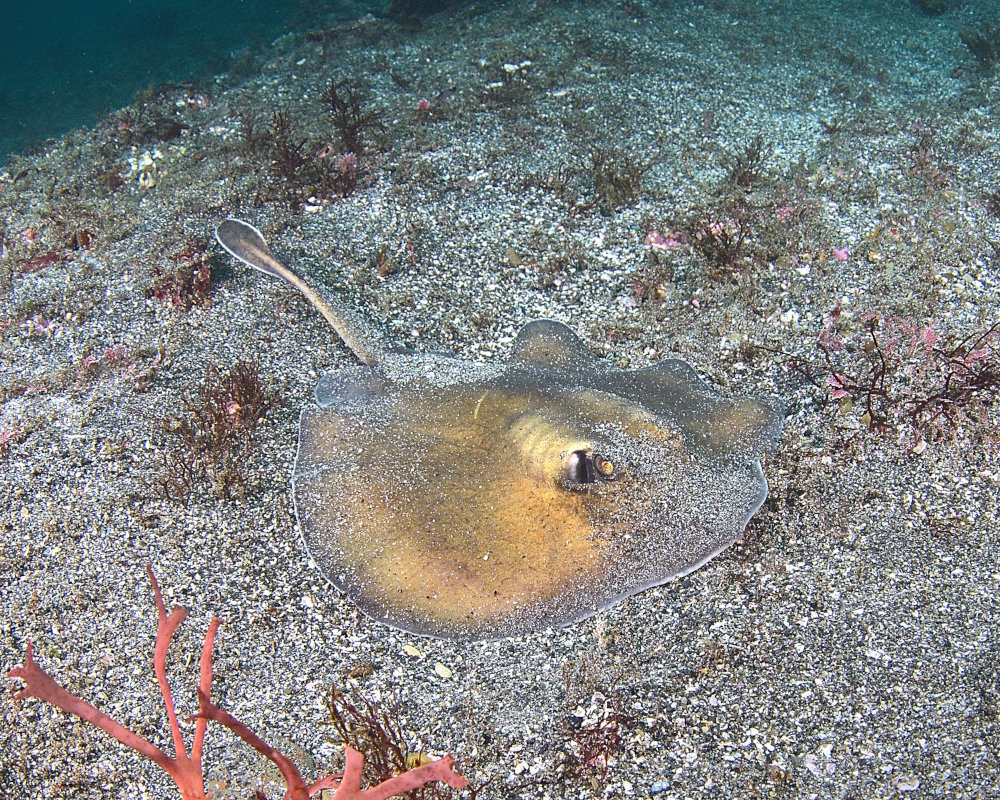
The sepia stingray (Urolophus aurantiacus) © Luis Perez Berrocal | Dreamstime.com
The sepia stingray generally reaches a modest size, rarely exceeding about 20 inches in length, making it a small to medium-sized ray species.
Geographic range
The sepia stingray is mainly found in the temperate waters of the northwestern Pacific, particularly off Japan, China, and Korea, as well as around the Ryukyu islands.
Habitat
The sepia stingray inhabits sandy or muddy bottoms of coastal areas and the continental shelf. It is usually found in shallow waters, although it may occasionally occur at greater depths. A discreet species, it spends much of its time buried in sediment or resting on the seabed to avoid predators.
Diet
The sepia stingray is an opportunistic predator that feeds mainly on benthic invertebrates. Its diet includes crustaceans, marine worms, mollusks, and small organisms living in or on the seabed. It uses its sensory abilities to detect prey buried in the sand.
Reproduction
The sepia stingray is an ovoviviparous species, meaning that embryos develop inside the female's body before being born fully formed. As a result, the young are immediately independent at birth and already large enough to survive in their benthic environment.
As with many rays, its reproductive cycle is still only partially documented.
Discover also
Atlantic white-spotted eagle rayAetobatus narinari
Beaked guitarfishRhinobatos schlegelii
Bullseye electric rayDiplobatis ommata
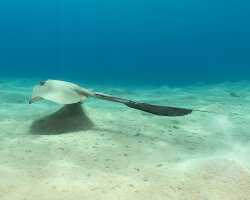
Fantail stingrayPastinachus sephen
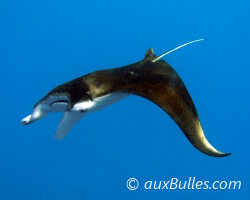
Giant mantaMobula birostris
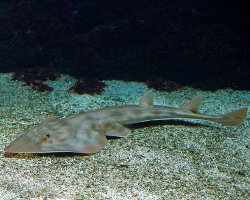
Shovelnose guitarfishPseudobatos productus
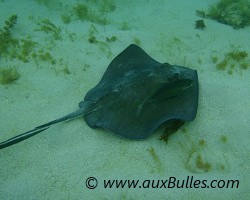
Southern stingrayDasyatis americana
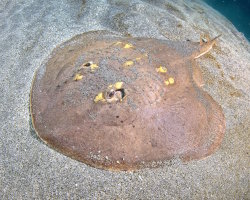
Yellow-spotted fanrayPlatyrhina tangi
The marine species in the Northwestern Pacific
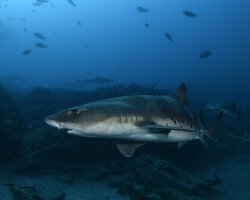
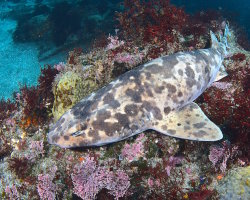
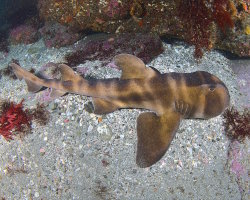

Our latestUpdates

Major movesThe 2026 Route du Rhum enters a decisive phase as Tom Laperche extends his lead in the Ultim class, Armel Le Cléac'h capsizes, and Class40 skippers prepare to face a powerful weather front.Read more

A tough startThe 2026 Route du Rhum gets off to an intense start, with major technical failures, Francis Joyon's capsize, impressive speeds and strategic route choices near the Azores. A look back at the first 48 hours of racing.Read more

A smooth start, an uncertain AtlanticDiscover the 2026 Route du Rhum start off Saint-Malo, where favorable initial conditions contrast with an uncertain Atlantic crossing shaped by changing winds and weather.Read more
Photo of the Day

Méduse pélagique
(Pelagia noctiluca)
(Pelagia noctiluca)
 Copyright © 2007-2026 auxBulles.com - All rights reserved. Legal notices.
Photo credits - Our partners