

Sealife guideThe West Indian sea eggTripneustes ventricosus
Last updated on 05/07/2026 at 10:12 PM
The West Indian sea egg is a tropical sea urchin found in shallow coastal waters of the western Atlantic ocean. Discreet yet abundant in seagrass beds and on reefs, it plays an important role in maintaining coastal ecosystem balance by grazing on algae and recycling organic matter.
Taxonomy
English names
West Indian sea eggWest Indian sea egg
French namesOursin blanc
Scientific nameTripneustes ventricosus (Lamarck, 1816)
FamilyToxopneustidae
OrderCamarodonta
ClassEchinoidea
Description
The West Indian sea egg is a nearly spherical echinoderm, with a test that can reach about 4 to 6 inches in diameter. Its color ranges from dark brown to purple, contrasting with its typically white, short and fine spines.
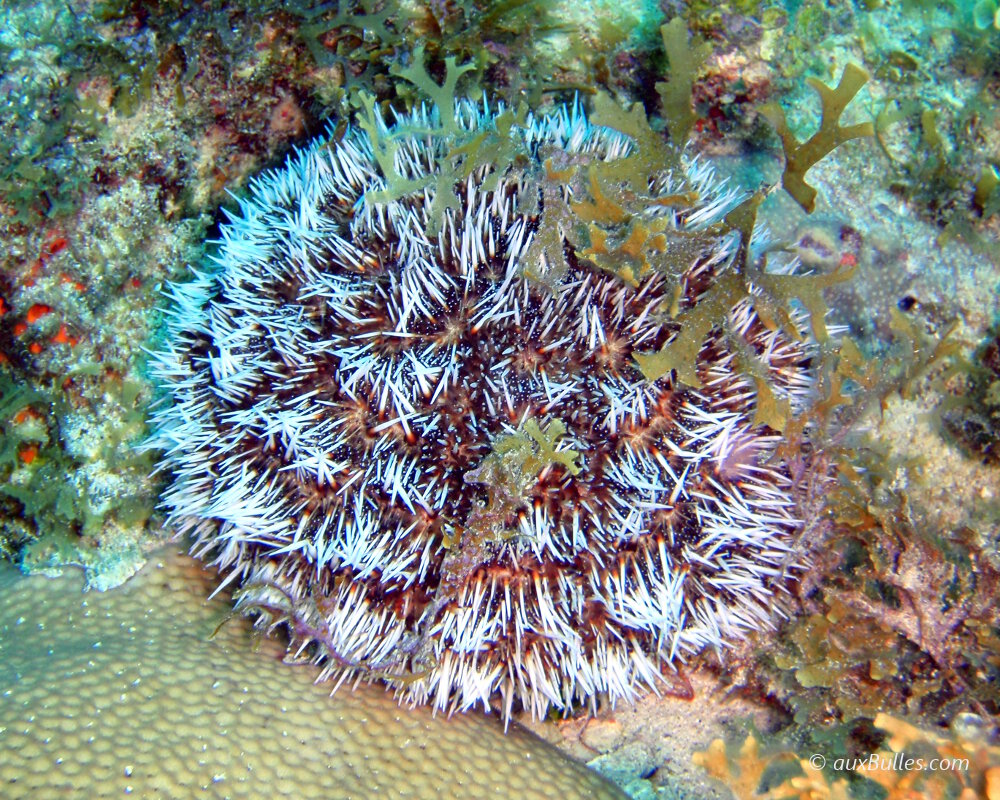
The West Indian sea egg (Tripneustes ventricosus)
It can sometimes cover itself with debris such as pieces of algae or shell fragments, which it holds using its tube feet, providing camouflage and protection against strong light.
Geographic range
The West Indian sea egg is found in the tropical western Atlantic, including the Caribbean such as Guadeloupe, the Gulf of Mexico, the Bahamas, and as far as the coast of Brazil.
Habitat
The West Indian sea egg mainly lives in seagrass beds, sandy areas rich in vegetation, and shallow coral reefs. It is generally found down to depths of about 180 ft, but most often remains in very shallow waters where light supports the growth of the algae it feeds on.
Diet
The West Indian sea egg is an opportunistic herbivore that primarily feeds on algae and seagrass vegetation. It may also ingest decomposing organic matter. By grazing on algae, it helps maintain the balance of reefs and seagrass ecosystems.
Reproduction
The West Indian sea egg reproduces sexually through external fertilization. Males and females release their gametes into the water, where fertilization occurs. The larvae then develop in the plankton for several weeks before settling on the seabed and transforming into juvenile sea urchins.
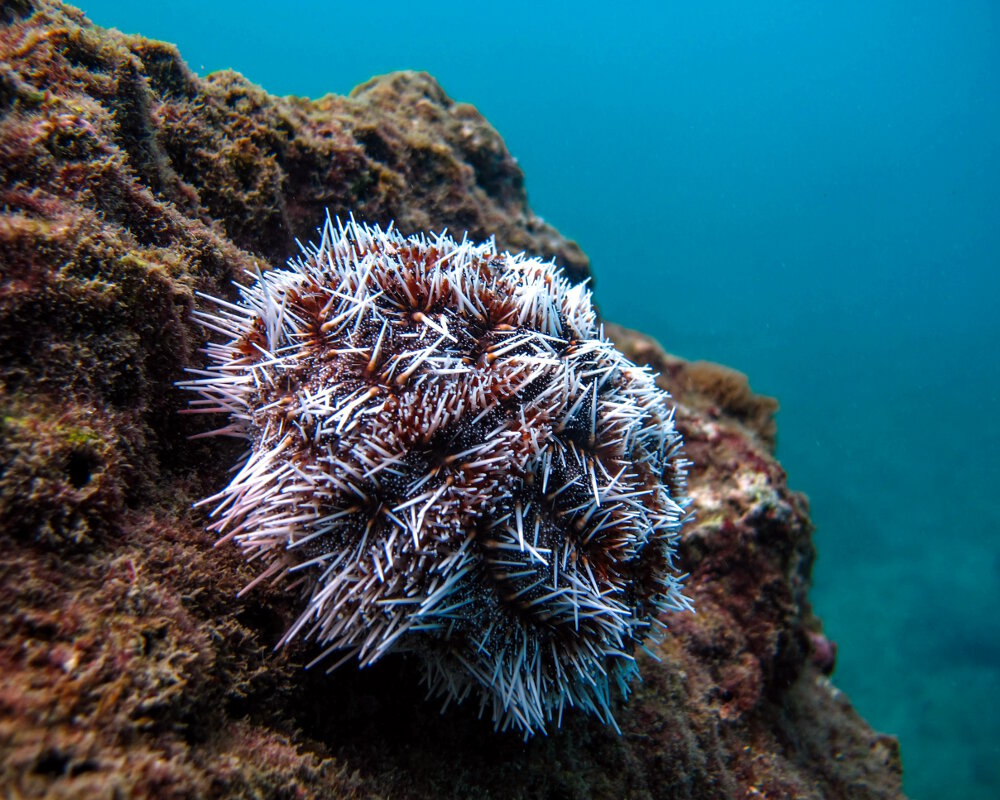
The West Indian sea egg (Tripneustes ventricosus) © Andrés Rojas | Dreamstime.com
Within the same family
Discover also
Graeffe's sea cucumberPearsonothuria graeffei
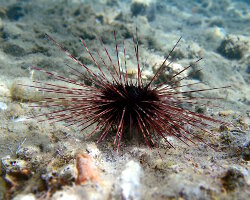
Hatpin sea urchinCentrostephanus longispinus

Heavy starfishThromidia catalai
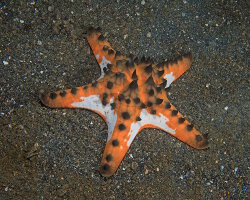
Horned sea starProtoreaster nodosus
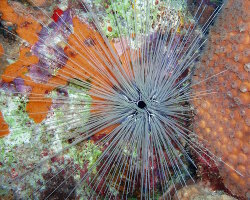
Long-spined sea urchinDiadema antillarum
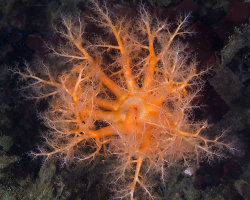
Orange sea cucumberCucumaria miniata
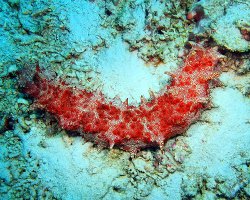
Red striped sea cucumberThelenota rubralineata
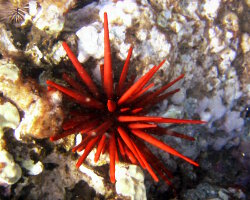
Slate pencil urchinHeterocentrotus mamillatus
The marine species in the Caribbean
Dive centers


Our latestUpdates
Major movesThe 2026 Route du Rhum enters a decisive phase as Tom Laperche extends his lead in the Ultim class, Armel Le Cléac'h capsizes, and Class40 skippers prepare to face a powerful weather front.Read more

A tough startThe 2026 Route du Rhum gets off to an intense start, with major technical failures, Francis Joyon's capsize, impressive speeds and strategic route choices near the Azores. A look back at the first 48 hours of racing.Read more

A smooth start, an uncertain AtlanticDiscover the 2026 Route du Rhum start off Saint-Malo, where favorable initial conditions contrast with an uncertain Atlantic crossing shaped by changing winds and weather.Read more
Photo of the Day

Méduse pélagique
(Pelagia noctiluca)
(Pelagia noctiluca)
 Copyright © 2007-2026 auxBulles.com - All rights reserved. Legal notices.
Photo credits - Our partners