

Islands destinationThe Lomaiviti islands: discover Fiji's historic archipelagoFiji islands | Pacific ocean
Last updated on 08/21/2026 at 01:25 AM
Located in the central part of Fiji, east of Viti Levu and north of Kadavu, the Lomaiviti islands form an archipelago of around 20 islands and islets. They combine volcanic landscapes, tropical forests, palm-fringed beaches and clear waters surrounded by coral reefs. Less well known than the Mamanuca and Yasawa islands, they offer a pleasant setting for discovering another side of the Fijian archipelago.
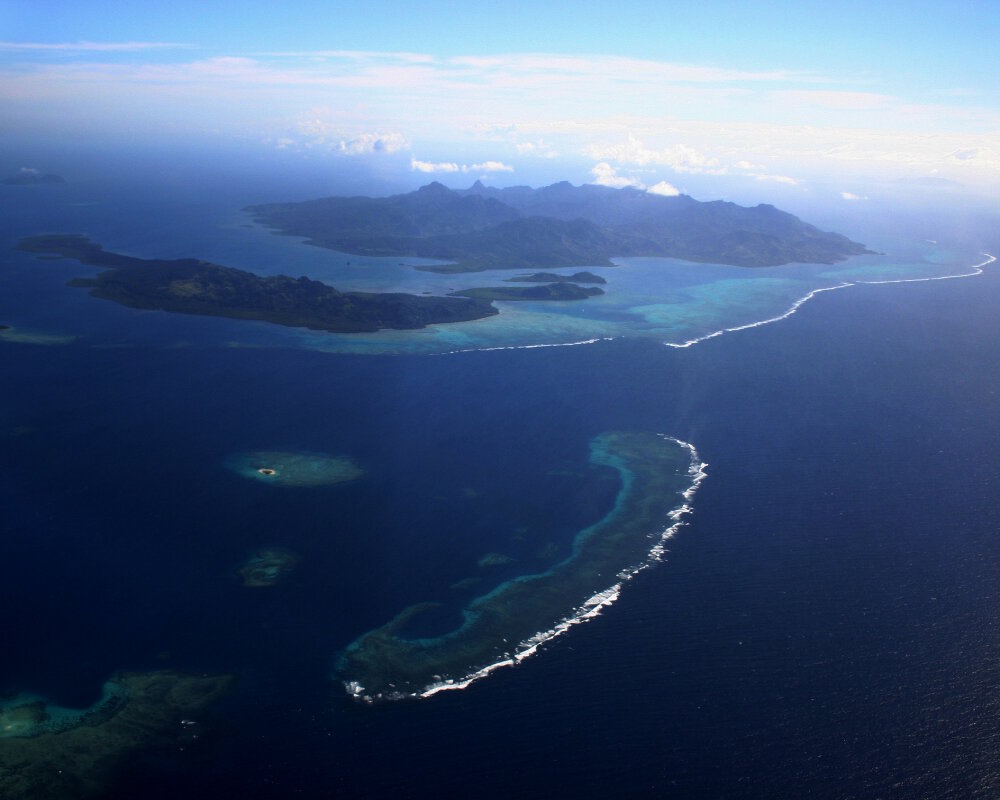
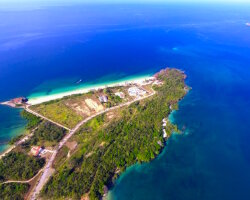
The Lomaiviti islands: discover Fiji's historic archipelago (Océan Pacifique) © Paradisephoto | Dreamstime.com
Ovalau, the largest island in the archipelago, is home to Levuka, the former capital of Fiji and now a UNESCO World Heritage Site. Other islands, such as Gau, Koro, Nairai, Moturiki and Wakaya, offer varied landscapes, Fijian villages and particularly rich marine environments.
An archipelago in the heart of Fiji
The Lomaiviti islands lie east of Viti Levu and form a group of volcanic and coral islands scattered across the waters of the South Pacific. The archipelago includes Ovalau, Gau, Koro, Nairai, Moturiki and Wakaya, as well as several smaller islets.
This central location allows the Lomaiviti islands to remain relatively close to Fiji's main islands while retaining a quieter atmosphere. The landscapes alternate between mountains covered in tropical vegetation, valleys, rocky coastlines, beaches and coral reefs.
The archipelago is also characterized by a strong presence of villages and local communities. You can therefore discover an island way of life still closely connected to fishing, agriculture and Fijian traditions.
Ovalau and the former capital of Levuka
Ovalau is the main island of the Lomaiviti group and one of the most interesting to visit. Its mountainous terrain is covered in tropical forests and cut by numerous valleys descending toward a coastline dotted with small bays.
On the eastern coast lies Levuka, the former capital of Fiji. Founded in the 19th century, the town still preserves many historic buildings that bear witness to the colonial period and the development of Fiji's first capital.
The historic center of Levuka has been listed as a UNESCO World Heritage Site since 2013. You can explore its former commercial buildings, administrative buildings, churches and waterfront, all of which reflect the town's former importance.
Ovalau's mountainous landscapes
The interior of Ovalau is largely occupied by volcanic mountains covered in tropical vegetation. Several trails allow you to leave the coast and reach the higher parts of the island to discover more rugged landscapes.
Hikes offer beautiful views over the valleys, villages and waters surrounding Ovalau. The dense vegetation is home to a variety of terrestrial wildlife, while ravines and streams help maintain a particularly lush environment.
To explore the interior of the island, it is best to ask a local guide or your accommodation for advice. Some areas are remote, and trail conditions can vary depending on the weather.
Gau, an island rich in nature
With an area of about 54 square miles, Gau is one of the largest islands in the Lomaiviti group. Its mountainous terrain is covered in tropical forests, while its coastline is bordered by coral reefs and numerous small bays.
Gau is particularly known for being home to a significant population of Fiji petrels, an extremely rare seabird endemic to Fiji. Protecting the island's forests therefore plays an essential role in conserving this species.
The island also offers excellent opportunities to discover traditional Fijian life. Coastal villages remain closely connected to fishing, agriculture and the natural resources around them.
Coral reefs rich in marine life
The waters surrounding the Lomaiviti islands are home to numerous coral reefs inhabited by tropical fish, sea turtles and a wide variety of invertebrates. Differences in depth and the many islands and islets create a great diversity of marine habitats.
Snorkeling provides an easy way to explore reefs close to shore, while scuba diving gives access to drop-offs, deeper reefs and areas frequented by a greater variety of marine life.
Visibility and currents can vary depending on the site and weather conditions. When exploring the reefs, be careful not to touch the corals and maintain a safe distance from marine animals.
Koro island and its beaches
Koro lies in the northeastern part of the Lomaiviti islands. This volcanic island is covered in tropical vegetation and has a rugged coastline with several beaches and small bays.
Its clear waters are suitable for swimming and snorkeling in various areas. Reefs close to shore offer a glimpse of the rich marine ecosystems found throughout the Lomaiviti islands.
Koro is also an interesting place to experience a less-visited Fijian island. You can observe village life and enjoy a much quieter environment than in Fiji's main tourist destinations.
Nairai and Moturiki
Nairai and Moturiki are two other islands in the Lomaiviti group where landscapes combine vegetation-covered hills, coastal villages and coral reefs. Their smaller size contributes to their peaceful atmosphere.
The coastlines are home to several small beaches and bays where you can enjoy swimming or snorkeling. Travel between different areas is mainly by boat or on foot.
These islands offer a more secluded side of Fiji, far from the large tourist resorts. Meeting local residents and discovering the villages are among the most interesting experiences during a stay in the archipelago.
Wakaya and its turquoise waters
Wakaya is a small private island in the Lomaiviti group, known for its tropical scenery, beaches and turquoise waters. It is home to a luxury resort, which naturally limits the number of visitors to the island.
The waters surrounding Wakaya are particularly well suited to snorkeling and diving. Coral reefs are home to a variety of marine life, and several sites offer opportunities to explore the underwater world.
Access to Wakaya is subject to the conditions established by the private island. It therefore offers a different experience from the inhabited islands, where you can more easily discover villages and the daily life of local communities.
Fijian traditions and villages
The Lomaiviti islands are home to numerous villages where Fijian traditions still play an important role in everyday life. Fishing, agriculture and community activities remain central to the lives of many families.
You may sometimes have the opportunity to attend a sevusevu ceremony, during which yaqona, also known as kava, is presented as a gesture of welcome and respect. This ceremony is an important way of asking permission to visit a village or traditional territory.
When visiting, respect local customs and ask permission before photographing residents. Appropriate clothing and a respectful attitude are particularly appreciated in Fijian villages.
Things not to miss
On Ovalau, do not miss Levuka and its historic center, a UNESCO World Heritage Site. A hike into the island's interior then allows you to discover its volcanic mountains and tropical forests.
You can also explore the Lomaiviti reefs by snorkeling or scuba diving, particularly around the islands where the waters are especially clear. The islands of Gau, Koro, Nairai and Moturiki each offer different landscapes and experiences.
Finally, take time to discover the local villages and traditions. The Lomaiviti islands offer a quieter and less tourist-oriented experience than Fiji's more heavily visited archipelagos, while remaining accessible from the country's main islands.
How to get there ?
Levuka, on Ovalau Island, is one of the main gateways to the Lomaiviti islands. Ferry services connect Ovalau with Viti Levu, particularly from the Suva area, while air services also operate to the island.
The other islands in the archipelago are generally accessible by boat from Ovalau or from Fiji's main islands. Transfer options vary considerably depending on the destination and may be affected by weather conditions.
Before departing, check schedules and transportation options for the island you wish to visit. For some more remote islands, a private or organized transfer arranged through your accommodation may be necessary.
Fiji islands
Fiji islands
Kadavu island
Lau islands
Mamanuca islands
Taveuni island
Vanua Levu island
Viti Levu island
Yasawa islands
The islands from pacific ocean
Ai island
Cocos island
Guam island
Mariana islands
Northern Mariana islands
Rimatara island
Rurutu island
Tinian Island
Explore new islands
Our latestUpdates
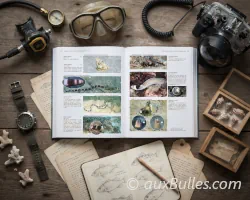
The Guide des poissons de Nouvelle-CalédonieDiscover Guide to the Fishes of New Caledonia by Pierre Laboute and René Grandperrin, an illustrated reference featuring nearly 1,200 species, from rivers and coral reefs to the depths of the ocean.Read more
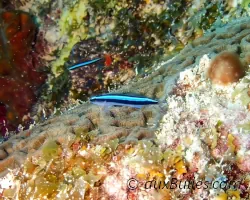
The neon gobyDiscover the neon goby (Elacatinus oceanops), a small western Atlantic reef fish known for its brilliant blue stripe and its role as a cleaner fish that removes parasites from other fish.Read more

The poison gobyDiscover the poison goby (Gobiodon citrinus), a tiny reef fish with a bright yellow body and distinctive blue markings. It lives among branching Acropora corals in the tropical waters of the Indo-Pacific.Read more
Photo of the Day
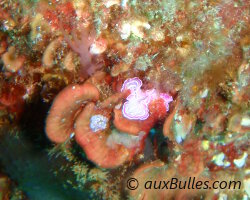
Ver plat rose
(Prostheceraeus roseus)
(Prostheceraeus roseus)
 Copyright © 2007-2026 auxBulles.com - All rights reserved. Legal notices.
Photo credits - Our partners