

Islands destinationThe Yasawa Islands: Discover a Tropical Paradise in FijiFiji islands | Pacific ocean
Last updated on 08/21/2026 at 01:25 AM
Located northwest of Viti Levu, the Yasawa islands form an archipelago of around 20 volcanic islands stretching through the waters of the South Pacific and extending northward from the Mamanuca islands. They are characterized by rugged landscapes, white-sand beaches, turquoise lagoons and coral reefs. More secluded than the nearby Mamanuca islands, they offer an especially appealing setting for experiencing relatively untouched nature.
The Yasawa islands are a favorite destination for travelers who want to alternate swimming, snorkeling, hiking and discovering Fijian culture. You can also go in search of manta rays, explore the sea caves of Sawa-i-Lau or visit several islands during a boat trip. The archipelago is therefore well suited both to a relaxing stay on a single island and to an island-hopping adventure.
A preserved volcanic archipelago
The Yasawa islands consist of around 20 volcanic islands characterized by often rugged terrain. Several peaks rise to nearly 2,000 feet, giving some islands a very different appearance from the flat, palm-fringed landscapes generally associated with tropical islands.
The archipelago is far less developed than Viti Levu and has no extensive road network. Travel between villages and accommodations is mainly on foot or by boat, helping preserve the islands' peaceful atmosphere.
This relative isolation is part of the Yasawa islands' appeal. You can discover secluded beaches, small bays and relatively undeveloped coastal landscapes while still having enough tourist infrastructure to enjoy a comfortable stay.
White-sand beaches and turquoise lagoons
White-sand beaches and turquoise waters are among the Yasawa islands' main attractions. Some islands feature long beaches bordered by tropical vegetation, while others are home to small coves accessible only on foot or by boat.
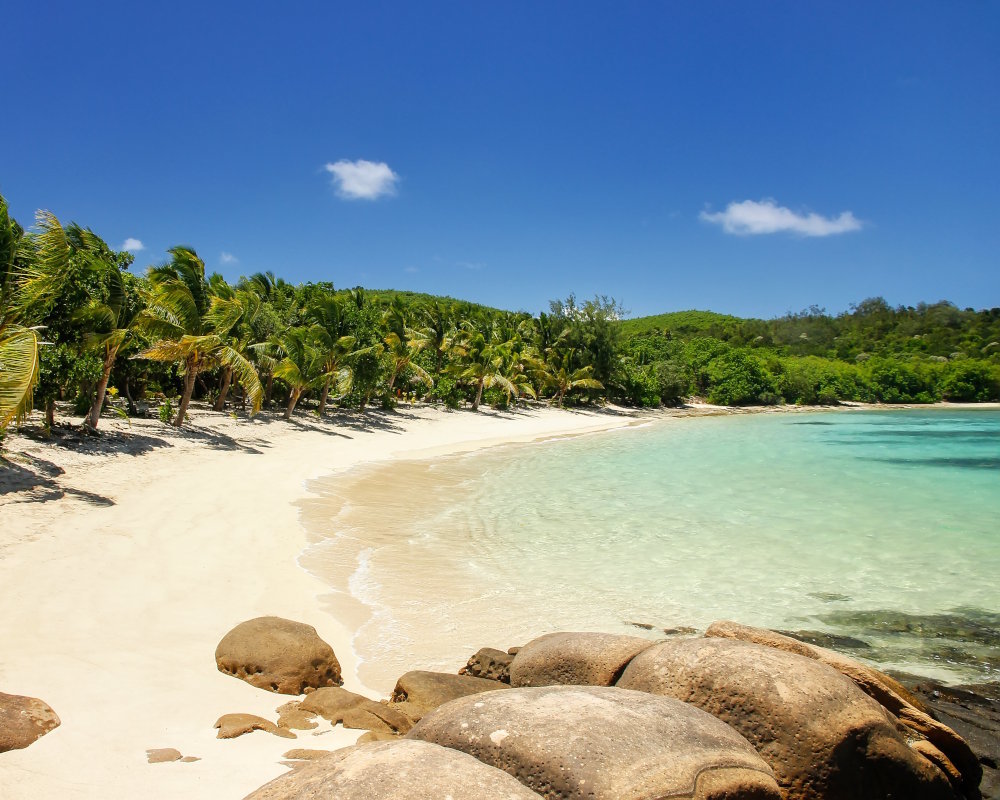
A sandy beach on Drawaqa island, in Fiji's Yasawa islands © Donyanedomam | Dreamstime.com
The calm waters in many areas are ideal for swimming and snorkeling. From the beach, you can sometimes reach reefs close to shore and observe tropical fish without having to join a boat excursion.
For a closer look at the most secluded landscapes, kayaking and boat excursions are particularly rewarding. They allow you to follow the coastline, reach deserted beaches and explore small bays that are difficult to access by land.
Snorkeling and coral reefs
The waters surrounding the Yasawa islands are home to numerous coral reefs inhabited by tropical fish, sea turtles and a wide variety of other marine animals. Snorkeling is one of the most accessible activities from many of the archipelago's tourist islands.
You can explore coral gardens from the surface or join organized trips to more distant reefs. Conditions can vary depending on the island, tides and weather, however, so it is important never to touch corals or marine animals.
Some facilities also offer activities focused on marine conservation. Excursions may include coral restoration, giant clam nursery maintenance or efforts to control predatory crown-of-thorns starfish on the reefs.
Manta ray encounters
Manta rays are one of the Yasawa islands' major natural attractions. Between May and October, these large rays regularly visit a shallow channel near Drawaqa island, where they come to feed on plankton.
The area offers opportunities to observe them while snorkeling when they approach the surface. Their presence remains unpredictable, however, and even during the favorable season, encounters cannot be guaranteed.
To observe manta rays responsibly, it is important to follow your guides' instructions and maintain an appropriate distance. Never attempt to touch or chase a manta ray, even when it appears to remain close to swimmers.
The Sawa-i-Lau Sea Caves
In the northern part of the archipelago, the Sawa-i-Lau Caves are among the Yasawa islands' most famous attractions. Unlike the other volcanic islands in the chain, the small island of Sawa-i-Lau is made of limestone and contains two sea caves filled with seawater.
The first cave is naturally illuminated through an opening in the upper part of the cavern. You can swim in its relatively cool turquoise water. The second, darker chamber is reached through an underwater passage and requires the assistance of a guide.
The caves are also associated with several Fijian legends passed down through local traditions. Their spectacular setting and cultural history make them a must-see excursion during a stay in the northern Yasawa islands.
Hiking and island views
The Yasawa islands are not meant to be explored solely from the sea. Their volcanic terrain offers numerous trails leading to viewpoints overlooking beaches, lagoons and neighboring islands.
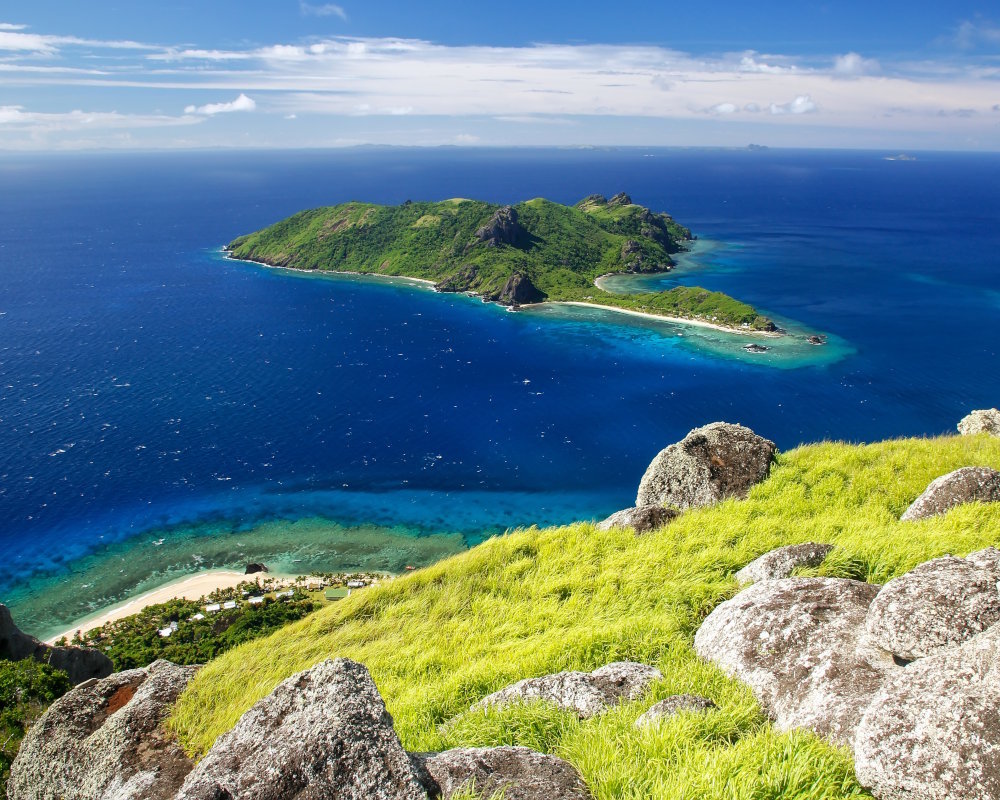
Panoramic view of Kuata island from the summit of Vatuvula, on Wayasewa island, in Fiji's Yasawa islands © Donyanedomam | Dreamstime.com
A rugged, mountainous island, Waya Lailai, also known as Wayasewa and considered the little sister of Waya in the southern part of the archipelago, is particularly popular for the panoramic views it offers over the Yasawa islands. Other islands such as Waya, Kuata and Nacula also offer hiking trails, some following the coast to secluded beaches and others leading to high points with beautiful views across the archipelago.
Temperatures can be high on trails with little shade. Bring plenty of water, protect yourself from the sun and let your accommodation or guide know before setting out. Guided hikes also provide an opportunity to better understand the natural environment and local way of life.
Fijian villages and traditions
The Yasawa islands are home to small villages where local communities make their living from activities including farming, fishing and tourism. A village visit offers an opportunity to experience a more authentic side of the archipelago and interact with local residents.
You may sometimes attend a sevusevu ceremony, a traditional welcome during which yaqona, also known as kava, plays an important role. Traditional songs, dances and locally prepared meals also provide an opportunity to discover Fijian culture.
When visiting a village, respect local customs and ask permission before photographing residents. Your guide or accommodation can explain the appropriate customs and help arrange a respectful visit.
Exploring the Yasawa islands by boat
Island hopping is one of the best ways to experience the Yasawa islands. You can stay on several islands and enjoy a variety of experiences: snorkeling, hiking, village visits, swimming or simply relaxing on a secluded beach.
The Yasawa Flyer, a high-speed catamaran, operates daily from Port Denarau and serves various accommodations throughout the archipelago. Passes are also available, allowing travelers to combine stays on several different islands.
Multi-day cruises are another option. Small vessels travel through the archipelago for three, four or seven nights, stopping at different islands each day for snorkeling, beach activities and island exploration.
Things not to miss
The Sawa-i-Lau Caves are among the Yasawa islands' must-see attractions. In the central part of the archipelago, encountering manta rays near Drawaqa is another highly sought-after experience, particularly between May and October.
You can also explore the coral reefs by snorkeling, kayak along the coast and follow trails to the island summits. Secluded beaches and panoramic viewpoints over the lagoons offer countless opportunities to enjoy the archipelago's spectacular scenery.
Finally, take time to meet local communities and discover Fijian traditions. A stay in the Yasawa islands is about more than beaches and lagoons: it also provides an opportunity to experience an island way of life that remains an important part of village life throughout the archipelago.
How to get there ?
The Yasawa islands are easily accessible from Port Denarau, near Nadi. The Yasawa Flyer provides daily service to the different islands in the archipelago and offers direct access to many resorts. Depending on the destination, the journey from Nadi generally takes between 2 and 4.5 hours.
Private boat transfers, day trips and cruises also provide access to the Yasawa islands. Helicopter and seaplane flights are available to some destinations, offering spectacular aerial views of the islands and coral reefs.
For an island-hopping trip, a Yasawa Flyer pass can make it easier to travel between several islands. If you choose to stay at a single resort, it can generally arrange your transfer from Port Denarau. It is best to book transfers in advance, especially during busy travel periods.
Fiji islands
Fiji islands
Kadavu island
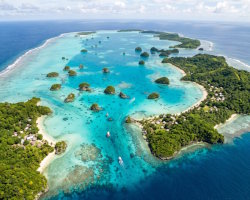
Lau islands
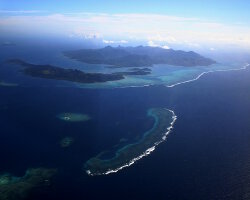
Lomaiviti islands
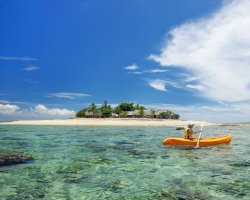
Mamanuca islands
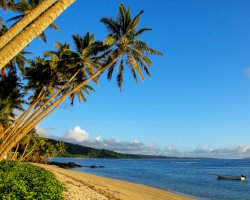
Taveuni island
Vanua Levu island
Viti Levu island
The islands from pacific ocean
Clipperton island
Cocos island
Cook islands
Grande Terre island
Hatta island
Rangiroa atoll
Rota Island
Tinian Island
Explore new islands


Our latestUpdates
The Guide des poissons de Nouvelle-CalédonieDiscover Guide to the Fishes of New Caledonia by Pierre Laboute and René Grandperrin, an illustrated reference featuring nearly 1,200 species, from rivers and coral reefs to the depths of the ocean.Read more
The neon gobyDiscover the neon goby (Elacatinus oceanops), a small western Atlantic reef fish known for its brilliant blue stripe and its role as a cleaner fish that removes parasites from other fish.Read more

The poison gobyDiscover the poison goby (Gobiodon citrinus), a tiny reef fish with a bright yellow body and distinctive blue markings. It lives among branching Acropora corals in the tropical waters of the Indo-Pacific.Read more
Photo of the Day
Ver plat rose
(Prostheceraeus roseus)
(Prostheceraeus roseus)
 Copyright © 2007-2026 auxBulles.com - All rights reserved. Legal notices.
Photo credits - Our partners