

Islands destinationVanua Levu: discover Fiji's second-largest islandFiji islands | Pacific ocean
Last updated on 08/19/2026 at 11:17 PM
Located northeast of Viti Levu, Vanua Levu is the second-largest island in Fiji, covering more than 2,100 square miles. Less visited by travelers than its larger neighbor, it offers a more peaceful atmosphere and a chance to discover another side of the archipelago, with tropical forests, mountains, villages, sheltered bays, and coral reefs.
The island has two main urban centers, Labasa, on the north coast, and Savusavu, on the south coast. The latter has become one of Vanua Levu's main tourist hubs thanks to its natural surroundings, hot springs, water activities, and scuba diving sites. Away from Fiji's busiest tourist areas, Vanua Levu is particularly appealing to travelers looking for nature, tranquility, and more authentic experiences.
Savusavu, the pearl of Vanua Levu
Savusavu is situated around a natural bay on the southern coast of Vanua Levu. This peaceful little town is the island's main tourist destination and serves as a starting point for numerous excursions. Its laid-back atmosphere, small markets, restaurants, and water activities make it a pleasant base for exploring the region.
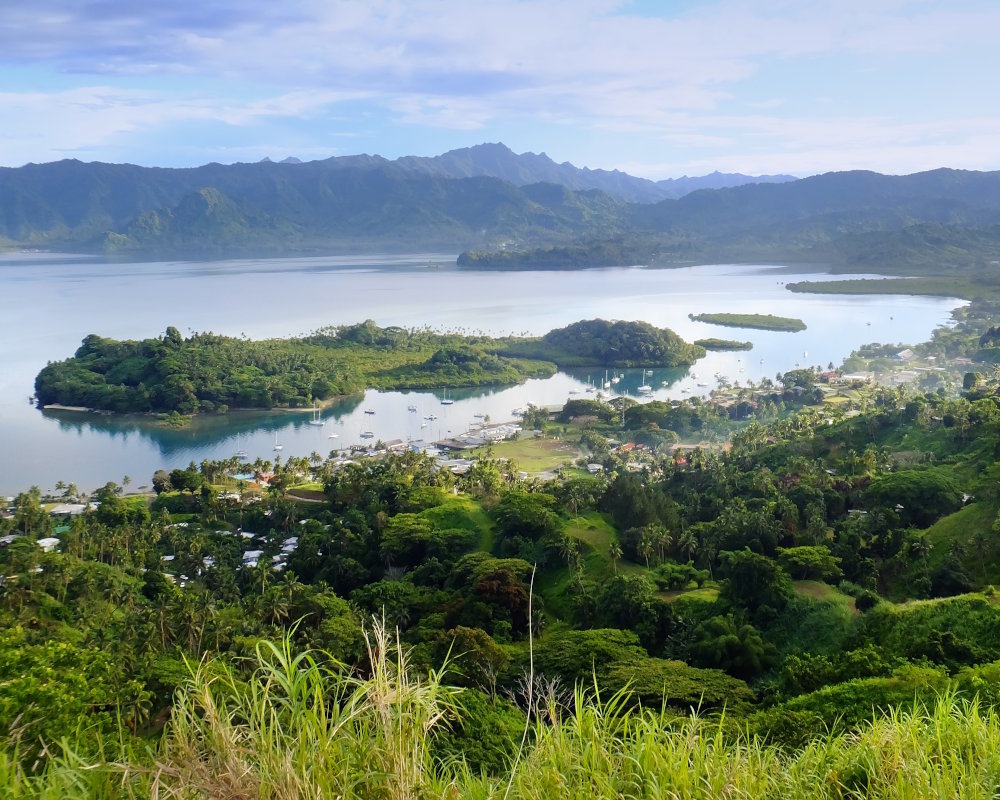
The town of Savusavu facing Nawi island in Savusavu Bay, on Vanua Levu island, Fiji © Donyanedomam | Dreamstime.com
Savusavu is particularly known for its volcanic hot springs, which can be seen in several parts of town. The area also features lush tropical scenery and numerous sites accessible from the bay, whether for snorkeling, scuba diving, fishing, or boating. The town is also known for its cultured pearls, which are produced in the waters of the bay.
An island of tropical forests and waterfalls
In the interior of Vanua Levu, tropical forests cover much of the island's mountainous terrain. As you move inland from the coast, the landscapes become wilder, and the roads pass through lush valleys dotted with numerous villages. This relatively unspoiled natural environment offers many opportunities for hiking and excursions into the heart of the island.
Among the natural attractions accessible from Savusavu, the Vuadomo Waterfall is particularly popular. Located about 20 minutes by road from town, it can be reached after passing through the village of Vuadomo. A visit combines an exploration of the tropical forest, swimming at the foot of the waterfall, and an opportunity to meet the local community.
Natewa Bay, a vast tropical bay
Natewa Bay extends deep into the eastern coast of Vanua Levu and is the largest bay in the South Pacific. Surrounded by tropical forests, it offers particularly wild and sparsely developed scenery. Its waters are home to a rich marine biodiversity and remain a relatively little-known destination for travelers.
The bay is also renowned for its scuba diving and snorkeling sites. Its shallow reefs and nutrient-rich waters support a remarkable diversity of marine life. The Natewa Peninsula also makes it possible to combine activities at sea with excursions into the tropical forest, with an approach more focused on ecotourism and encounters with local communities.
Exceptional underwater environments
Vanua Levu is one of Fiji's most interesting destinations for scuba diving enthusiasts. The waters surrounding the island are home to numerous reefs and a wide variety of tropical fish. The areas around Savusavu, Natewa Bay, and the offshore reefs offer opportunities to discover very different underwater landscapes.
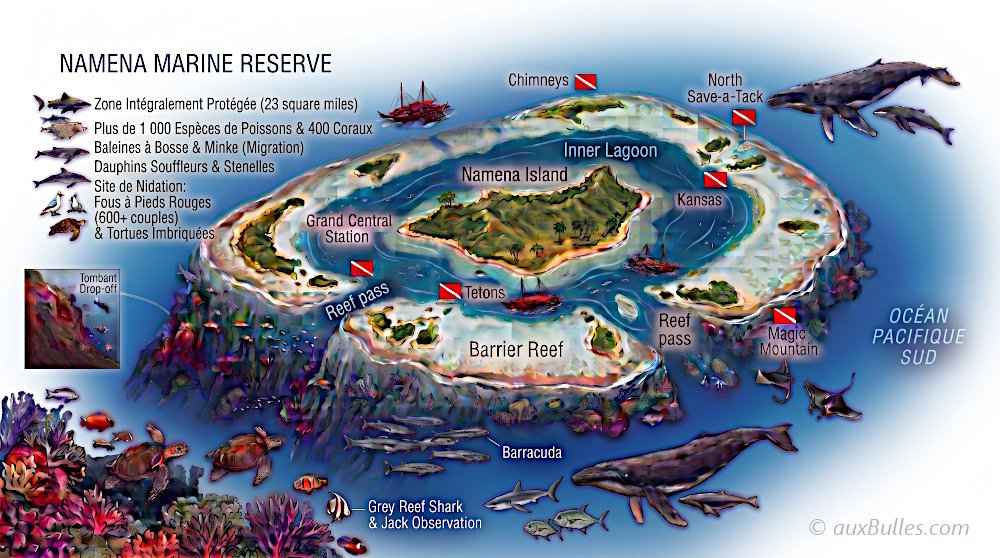
Map of the Namena Marine Reserve, located south of Vanua Levu island, Fiji
The Namena Marine Reserve, located between the islands of Vanua Levu and Viti Levu, is one of the region's renowned dive sites. The reefs of Namena and the Great Sea Reef offer opportunities to dive among an exceptionally rich variety of marine life. These protected areas also play an important role in conserving Fiji's marine ecosystems.
Labasa and the northern part of the island
Labasa is the main town in northern Vanua Levu and an important economic center for the region. Its atmosphere differs from that of Savusavu, with more commercial activity and a strong Indo-Fijian community. The town also serves as a convenient base for exploring the northern and northeastern parts of the island.
The Labasa region is particularly known for its sugarcane plantations and agricultural landscapes. You can also discover cultural sites in the surrounding area, such as Naag Mandir, a Hindu temple near Labasa known for its unusual cobra-shaped rock, which devotees believe possesses special powers.
Discovering Fijian culture
As elsewhere in Fiji, the villages of Vanua Levu offer opportunities to discover traditions deeply rooted in local life. Encounters with local communities can provide an opportunity to learn more about the sevusevu, a traditional welcoming ceremony during which visitors generally present yaqona, also known as kava.
Discovering Vanua Levu is therefore about much more than landscapes and water activities. Village visits, encounters with local residents, and excursions organized by local operators offer a deeper understanding of the island's culture while respecting the customs and rules of each community.
Things not to miss
Savusavu is an essential stop for discovering Vanua Levu, particularly for its hot springs, bay, and water activities. Nature lovers can continue their exploration with the Vuadomo Waterfall or an excursion into the forests of the Natewa Peninsula.
For marine-life enthusiasts, the reefs of Namena and the Great Sea Reef are among the region's most rewarding experiences. In the north, Labasa offers a different perspective on the island, with a more urban atmosphere and a strong Indo-Fijian cultural influence.
How to get there ?
Vanua Levu is accessible by air from Viti Levu. Flights connect Nadi to Savusavu in less than an hour, while Labasa also has its own airport. These flights are generally the fastest way to reach the island from Nadi International Airport.
It is also possible to reach Vanua Levu by boat from Suva. Once on the island, a paved road connects Labasa and Savusavu, while secondary roads provide access to villages and various natural attractions. To explore the more remote areas, it may be preferable to arrange a suitable vehicle or hire a local guide.
Fiji islands
Fiji islands
Kadavu island
Lau islands
Lomaiviti islands
Mamanuca islands
Taveuni island
Viti Levu island
Yasawa islands
The islands from pacific ocean
Caroline islands
Cook islands
Grande Terre island
Hawaii islands
Huahine island
Komodo island
Mariana islands
Tinian Island
Explore new islands

Our latestUpdates
The Guide des poissons de Nouvelle-CalédonieDiscover Guide to the Fishes of New Caledonia by Pierre Laboute and René Grandperrin, an illustrated reference featuring nearly 1,200 species, from rivers and coral reefs to the depths of the ocean.Read more
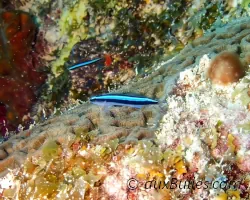
The neon gobyDiscover the neon goby (Elacatinus oceanops), a small western Atlantic reef fish known for its brilliant blue stripe and its role as a cleaner fish that removes parasites from other fish.Read more

The poison gobyDiscover the poison goby (Gobiodon citrinus), a tiny reef fish with a bright yellow body and distinctive blue markings. It lives among branching Acropora corals in the tropical waters of the Indo-Pacific.Read more
Photo of the Day
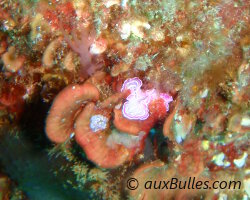
Ver plat rose
(Prostheceraeus roseus)
(Prostheceraeus roseus)
 Copyright © 2007-2026 auxBulles.com - All rights reserved. Legal notices.
Photo credits - Our partners