

Islands destinationViti Levu: discover Fiji's largest islandFiji islands | Pacific ocean
Last updated on 08/19/2026 at 11:17 PM
Located in the heart of the South Pacific, Viti Levu is the largest island in Fiji and the archipelago's main economic, cultural and tourist center. It covers more than 3,860 square miles and is home to more than 70% of Fiji's population. It is also where you will find Nadi, the country's main international gateway, and Suva, the capital located on the southeastern coast.
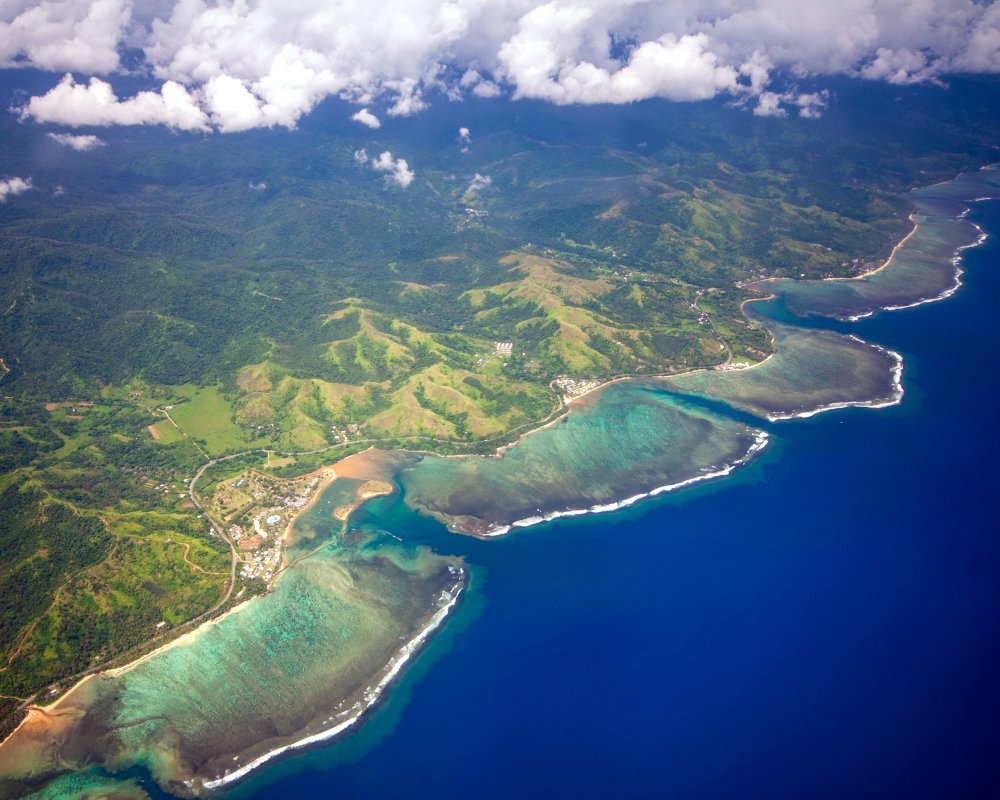
The island offers an amazing diversity of landscapes. The coastline is lined with beaches, bays and coral reefs, while the interior is dominated by mountains, lush valleys, tropical forests and small villages. This diversity makes it easy to combine a beach vacation, cultural experiences, hiking and water activities during the same trip.
Nadi, Fiji's gateway
Located on the western coast of Viti Levu, Nadi is usually the first stop for international travelers visiting Fiji, as the country's main international airport is nearby. The city is also an excellent base for exploring the western part of the island and reaching the Mamanuca and Yasawa islands. The Denarau and Wailoaloa areas offer a wide range of accommodations, restaurants and tourist activities.
Nadi also provides an opportunity to discover a more cultural side of Fiji. The city has a large Indo-Fijian community and is home to the Sri Siva Subramaniya Swami Temple, one of the country's most remarkable religious sites. The surrounding area also provides access to the Nausori Highlands, where the landscape quickly becomes more mountainous and rural.
Sri Siva Subramaniya Swami Temple
Located south of Nadi, the Sri Siva Subramaniya Swami Temple is particularly remarkable for its vibrant colors, sculptures and Dravidian-inspired architecture. It reflects the importance of Fiji's Indo-Fijian community and is one of the main cultural attractions to visit around Nadi.
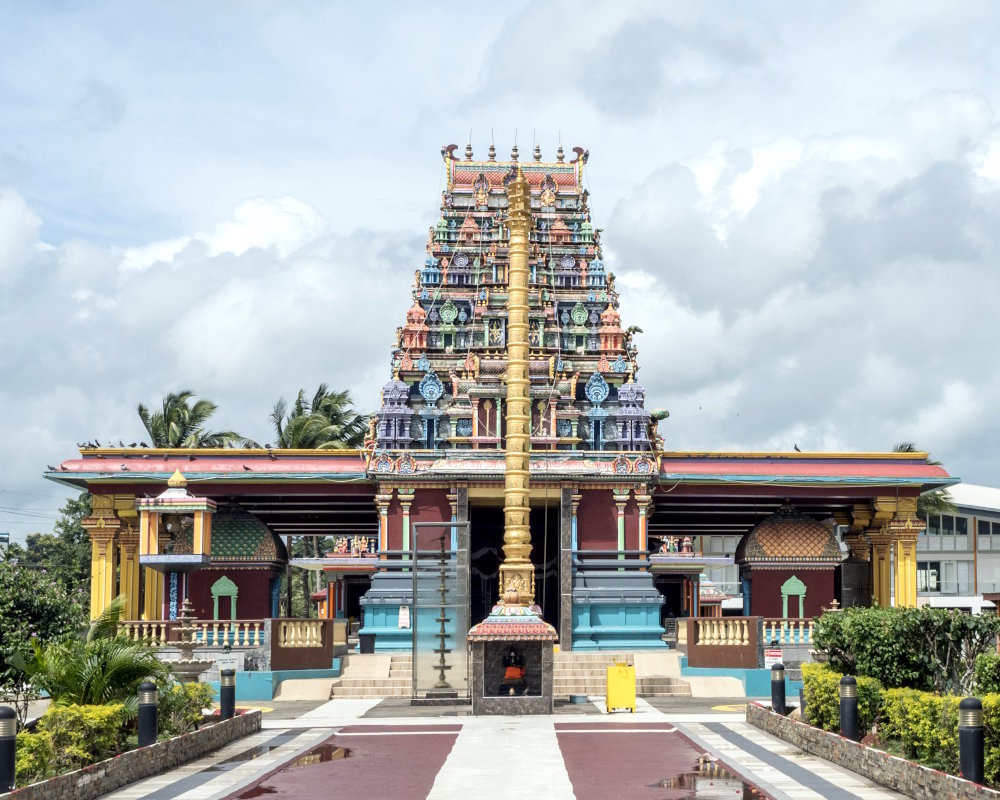
Sri Siva Subramaniya Swami Temple, a colorful Hindu temple in Nadi, on Viti Levu island, Fiji © Yuri Ganopolski | Dreamstime.com
Above all, this is a place of worship rather than simply a tourist attraction. Visitors should therefore respect the temple's rules, including wearing appropriate clothing and removing their shoes before entering. Photography may also be restricted inside the temple.
Garden of the Sleeping Giant
At the foot of the Sleeping Giant mountain range near Nadi, the Garden of the Sleeping Giant is a pleasant excursion for discovering Viti Levu's tropical vegetation. The garden is particularly renowned for its collection of orchids, with more than 2,000 specimens, as well as its many tropical and native plants.
The garden was created from the private collection of American actor Raymond Burr, who was passionate about orchids. Visitors can follow trails through landscaped gardens, lily ponds and areas of tropical forest. The site offers a beautiful alternative to excursions focused exclusively on beaches and water activities.
The Coral Coast and Viti Levu's beaches
The Coral Coast stretches for about 50 miles along the southern coast of Viti Levu, between Sigatoka and Suva. This region combines beaches fringed with tropical vegetation, villages, fringing reefs and rolling hills. It is one of the island's main tourist areas and can easily be included in a road trip between Nadi and Suva.
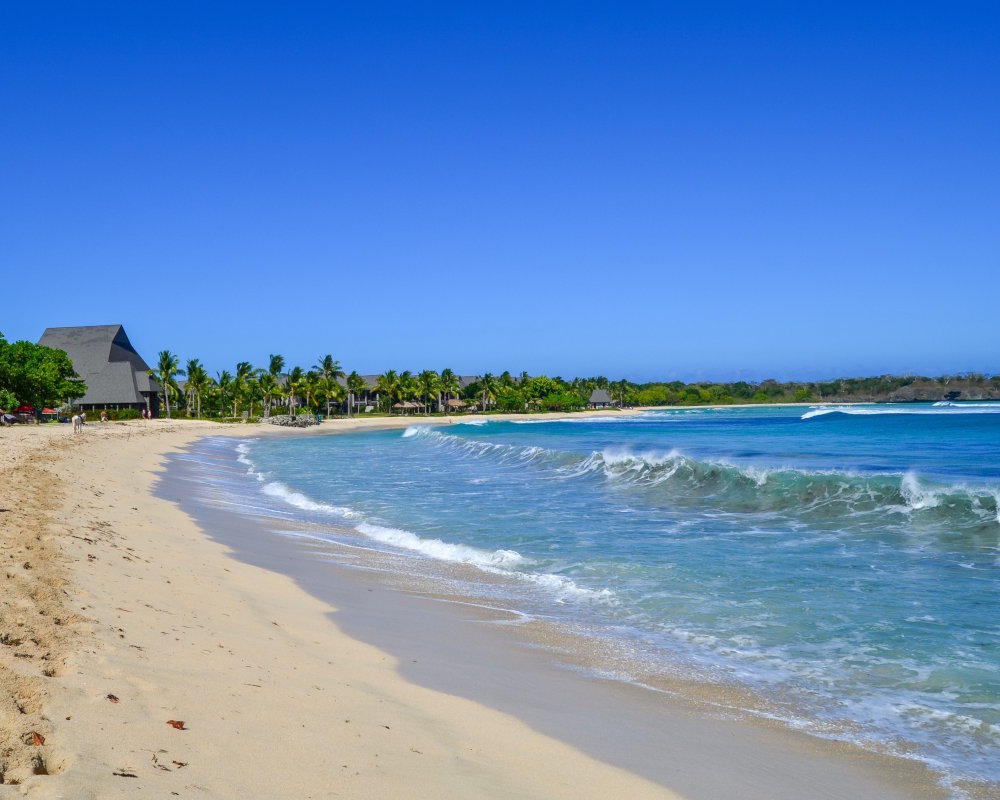
Among the beaches along the southern coast, Natadola Beach is particularly renowned. Its broad crescent of white sand and turquoise waters make it one of Viti Levu's iconic beach destinations. The beach is ideal for swimming, snorkeling and stand-up paddleboarding, while the surf conditions can also be suitable for beginners.
The Sigatoka sand dunes
Near the town of Sigatoka, the Sigatoka Sand Dunes National Park offers a surprising landscape in the heart of Viti Levu. The dunes, shaped over time by river erosion, prevailing winds and ocean currents, create an environment very different from the tropical scenery usually associated with Fiji.
The site also has significant archaeological value. Excavations have uncovered remains associated with ancient populations of the region, some dating back approximately 2,600 years. Today, trails allow visitors to explore the dunes and enjoy coastal views from several vantage points.
Traditional villages of Viti Levu
The traditional villages of Viti Levu offer a chance to discover another side of Fiji, away from the beaches and large tourist resorts. Traditional houses, known as bures, tropical gardens, and the organization of villages around the vale ni bose (community meeting house) still reflect the importance of Fijian traditions and community life today.
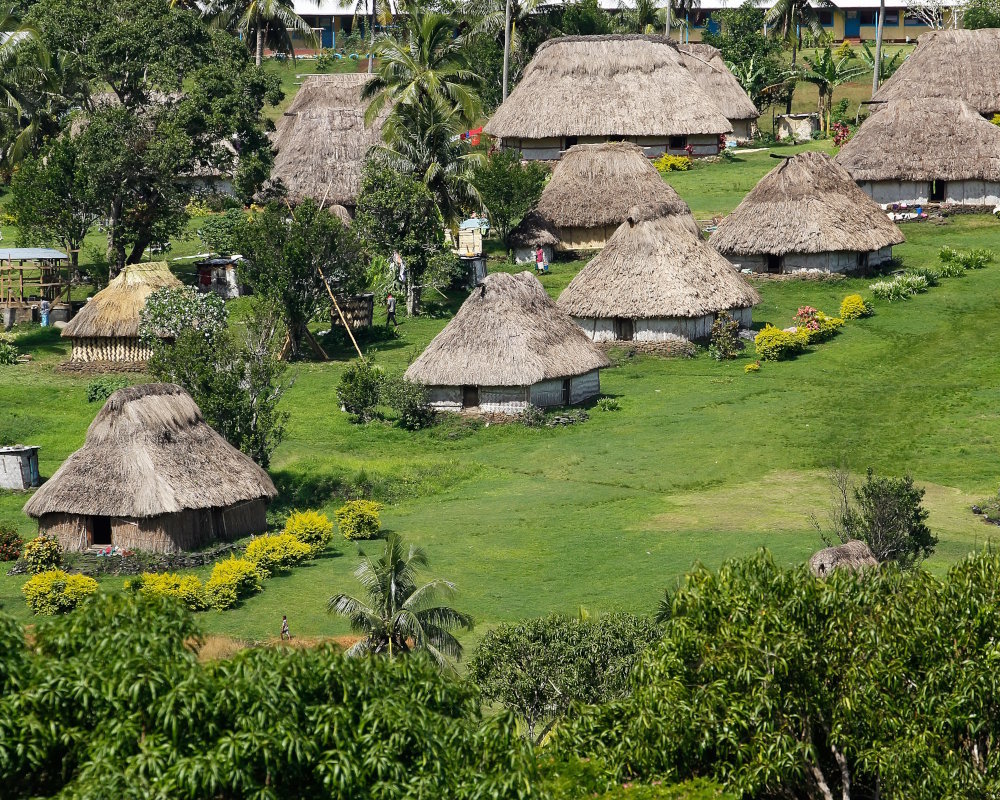
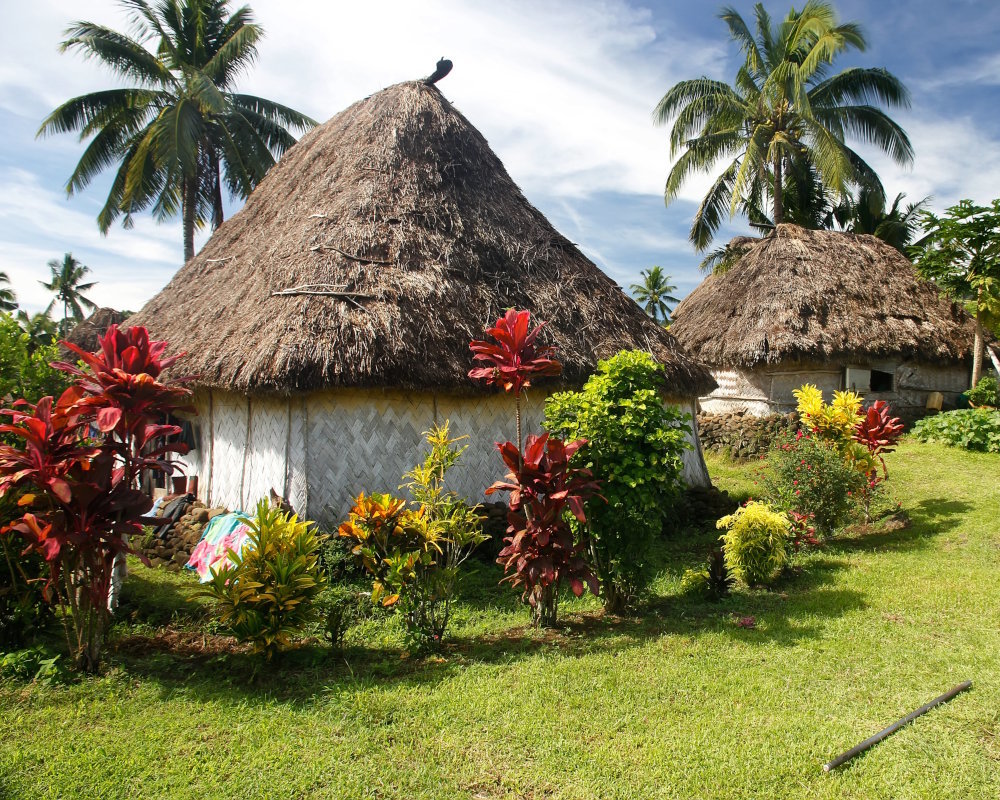
Among the most remarkable villages, Navala, located in the mountains of the island's interior, is certainly the most iconic. Its many traditional thatched-roof houses are clustered at the foot of the mountains and offer a magnificent glimpse into traditional Fijian architecture.
Visiting a village is also an opportunity to discover local customs, including the kava ceremony, a traditional beverage prepared from yaqona roots. However, it is important to respect the village's rules and customs during your visit, including asking permission before photographing residents or sacred places.
The mountains and interior of Viti Levu
The interior of Viti Levu contrasts sharply with the coastal landscapes. The Nausori Highlands feature rolling hills, valleys, forests and volcanic peaks. Excursions offer the opportunity to discover rural landscapes and small villages where traditional ways of life remain particularly strong. On clear days, some high points also offer sweeping views over the coast and nearby islands.
Travelers looking for adventure can also go hiking, visit waterfalls or explore some of the island's inland valleys. Viti Levu therefore offers activities that differ greatly from those available along the coast, including hiking, rafting and various excursions into the mountainous regions.
Suva, the capital of Fiji
On the opposite side of the island, on the southeastern coast, Suva is the capital and largest city of Fiji. It is the country's political, economic, educational and diplomatic center. Its atmosphere is very different from the beach resorts in the west, with its markets, restaurants, museums, historic buildings and lively urban scene.
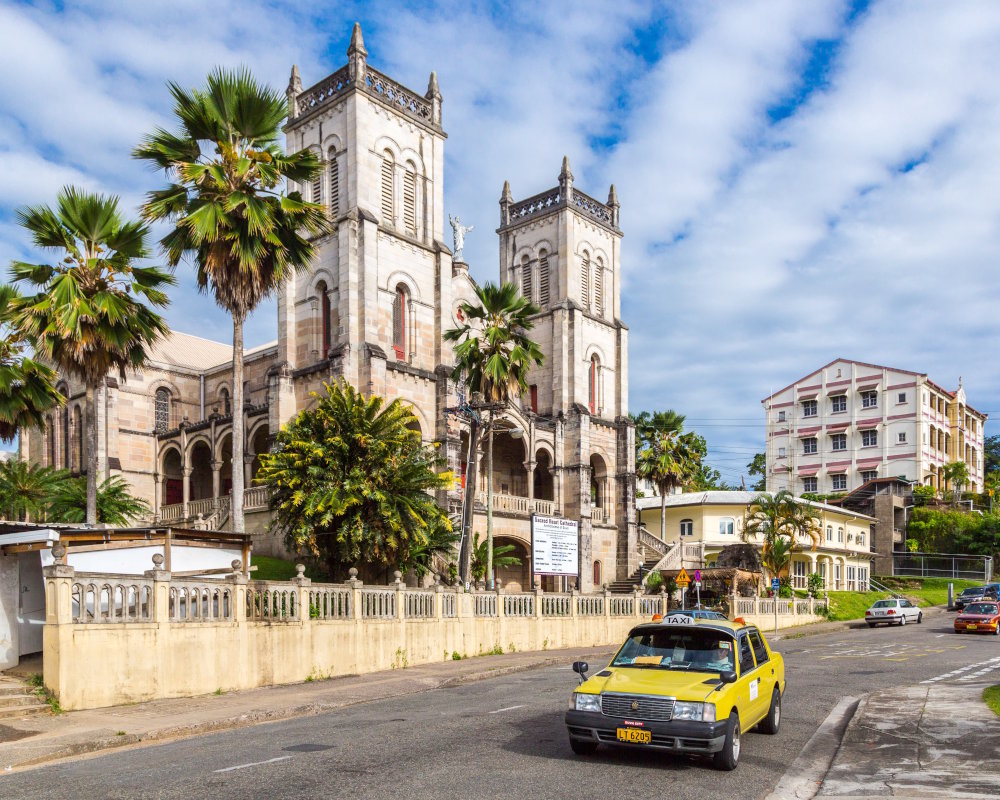
Sacred Heart Cathedral, a Roman Catholic church, and the buildings of the Archdiocese of Suva, in Suva, on Viti Levu island, Fiji © Maloff2 | Dreamstime.com
The city offers an opportunity to discover another side of Fijian history and culture. Buildings dating from the colonial period stand alongside modern architecture, while the Fiji Museum provides insight into the history of the archipelago and the peoples of the Pacific. Suva is therefore an interesting stop to complement Viti Levu's natural and beach attractions.
Things not to miss
The Sri Siva Subramaniya Swami Temple in Nadi is a must-see for discovering the influence of Fiji's Indo-Fijian community and one of the island's most remarkable religious buildings. Nearby, the Garden of the Sleeping Giant showcases an impressive orchid collection in a lush tropical setting.
On the southern coast, Natadola Beach is a prime destination for enjoying the ocean and tropical scenery, while the Sigatoka Sand Dunes offer a completely different experience combining hiking, geology and archaeology. For a more authentic cultural experience, visiting a village and taking part in a yaqona ceremony provides an opportunity to better understand local Fijian traditions.
In the mountainous interior of the island, the village of Navala is one of the best places to discover traditional Fijian architecture. Its many bure-style houses, with thatched roofs, are clustered at the foot of the mountains and surrounded by lush tropical vegetation. A visit offers a glimpse into the traditional way of life and communal organization of Fijian villages.
How to get there ?
Most international travelers arrive at Nadi International Airport on the western coast of Viti Levu. It is Fiji's main international gateway and provides easy access to the island's main tourist areas in the west. Direct flights connect Fiji with several major cities in Australia and New Zealand.
Once on the island, Viti Levu is relatively easy to explore by road. Tourism Fiji recommends driving around the island to connect its different regions, with Nadi in the west and Suva in the southeast. It is also possible to fly from Nadi to Nausori Airport near Suva, but traveling by road allows you to enjoy more of the scenery and stop along the Coral Coast.
An island with many faces of Fiji
Viti Levu offers the chance to discover many of the features that define Fiji. The island combines the beaches and reefs of the Coral Coast, the mountainous landscapes of the interior, Nadi's tropical gardens, Fijian and Indo-Fijian traditions, and the lively atmosphere of Suva.
For a first trip to Fiji, it is therefore much more than simply a gateway to the other islands of the archipelago. By taking the time to explore Viti Levu, you can travel from the beaches of Natadola to the mountains of the interior, discover Nadi's cultural heritage, experience yaqona during a cultural encounter and continue on to Suva.
Fiji islands
Fiji islands
Kadavu island
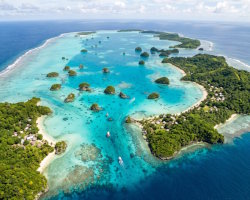
Lau islands
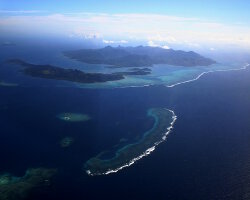
Lomaiviti islands
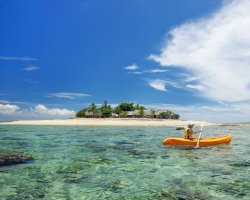
Mamanuca islands
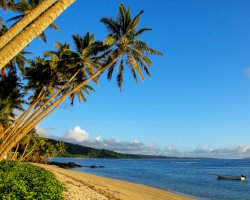
Taveuni island
Vanua Levu island
Yasawa islands
The islands from pacific ocean
Cocos island
Galapagos islands
Grande Terre island
Japan islands
Komodo island
Rangiroa atoll
Rota Island
Saipan island
Explore new islands

Our latestUpdates

The Guide des poissons de Nouvelle-CalédonieDiscover Guide to the Fishes of New Caledonia by Pierre Laboute and René Grandperrin, an illustrated reference featuring nearly 1,200 species, from rivers and coral reefs to the depths of the ocean.Read more
The neon gobyDiscover the neon goby (Elacatinus oceanops), a small western Atlantic reef fish known for its brilliant blue stripe and its role as a cleaner fish that removes parasites from other fish.Read more

The poison gobyDiscover the poison goby (Gobiodon citrinus), a tiny reef fish with a bright yellow body and distinctive blue markings. It lives among branching Acropora corals in the tropical waters of the Indo-Pacific.Read more
Photo of the Day
Ver plat rose
(Prostheceraeus roseus)
(Prostheceraeus roseus)
 Copyright © 2007-2026 auxBulles.com - All rights reserved. Legal notices.
Photo credits - Our partners