

Islands destinationGuam IslandMariana Islands | Pacific Ocean
Last updated on 09/29/2026 at 12:55 AM
The island of Guam, located in the western Pacific Ocean, is the largest and southernmost of the Mariana Islands, an archipelago that is part of the United States and Micronesia.

Panoramic aerial view of Guam with its lush vegetation and turquoise waters © Voraphach Phaisri | Dreamstime.com
Known for its idyllic beaches, rich cultural heritage, and fascinating history, Guam is an ideal destination for nature lovers, beachgoers, and adventure seekers.
Picture-perfect landscapes
Guam captivates visitors with its varied landscapes, from white-sand beaches and rugged cliffs to lush tropical forests. Tumon Bay, with its crystal-clear waters and coral reefs, is a must-visit spot for scuba diving and snorkeling.
Hiking enthusiasts will enjoy the trail leading to the beautiful Talofofo Falls, as well as the panoramic views from Two Lovers Point.
A rich culture
Guam has a rich culture shaped by a blend of Chamorro, Spanish, and American influences. The Gef Pa'go Cultural Village offers a glimpse into traditional Chamorro customs, while the capital, Hagåtña, is home to colonial-era remains and fascinating museums.
Don't miss the Chamorro Village Night Market, where you can sample local dishes and admire local crafts.
A paradise for history enthusiasts
Guam played a key role in the history of the Pacific, particularly during World War II. The War in the Pacific National Historical Park preserves historic sites from this period and provides a reminder of the events that shaped the island.
History enthusiasts can also explore the remains of Spanish fortifications dating back to the 16th century, particularly at Fort Santa Agueda and Fort Nuestra Señora de la Soledad.
Fort Santa Agueda
Located near the capital, Hagåtña, this fort offers panoramic views of the city and the sea. It was built by the Spanish in the 18th century to protect the island from attacks and invasions. It is now partially restored and is an important historic site.
Fort Nuestra Señora de la Soledad
This fort is located in Umatac, in the southern part of the island. It was built in 1796 to defend the island against potential invasions. Although it is now in ruins, it remains a must-see site for history enthusiasts and offers spectacular views of Umatac Bay.
These two forts are valuable reminders of the Spanish occupation of Guam, which lasted for more than 300 years, and are often included in historical sightseeing tours of the island.
A wide range of activities
Whether you enjoy water sports, relaxation, or adventure, Guam has plenty to offer. Divers can discover exceptional marine life at sites such as Blue Hole and Gab Gab Beach. Adventurers can try kayaking through the mangroves or embark on an ATV expedition through the tropical jungle.
Finally, for shopping enthusiasts, the town of Tumon, on the northwest coast, is an ideal destination with its shopping centers and duty-free stores.
How to get there ?
Guam is accessible by air via Antonio B. Won Pat International Airport (GUM), located in Tamuning about 3 miles northeast of the capital, Hagåtña. The airport receives flights from the United States, Japan, South Korea, and other Asian countries.
Once on the island, renting a car is recommended for exploring Guam at your own pace.
The marine species
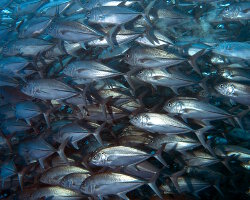
Mariana islands
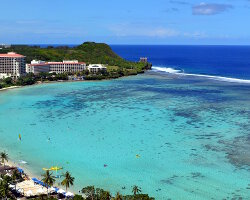
Mariana islands
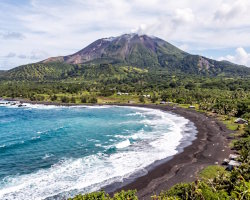
Northern Mariana islands
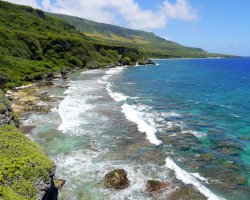
Rota Island
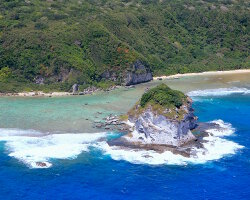
Saipan island
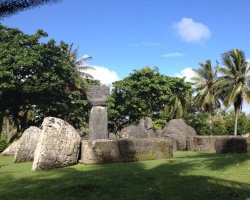
Tinian Island
The islands from pacific Ocean
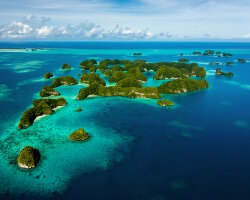
Caroline islands
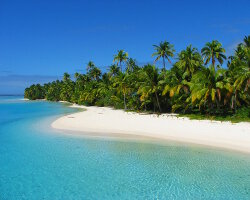
Cook islands
Kadavu island
Malpelo island
Moorea island
Rurutu island
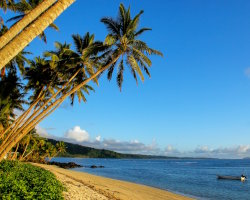
Taveuni island
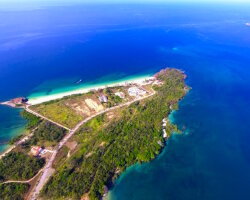
Viveros island
Explore new islands
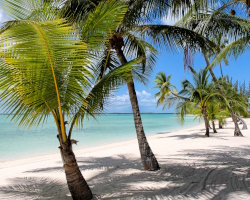
Andros island
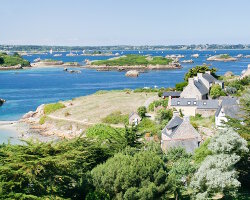
Bréhat island
Fiji islands
Golden island
Hawaii islands
Malta island

Medes islands
Puerto Rico island
Our latestUpdates
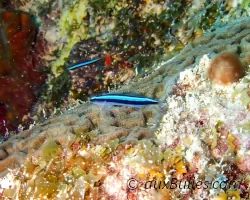
The neon gobyDiscover the neon goby (Elacatinus oceanops), a small western Atlantic reef fish known for its brilliant blue stripe and its role as a cleaner fish that removes parasites from other fish.Read more

The poison gobyDiscover the poison goby (Gobiodon citrinus), a tiny reef fish with a bright yellow body and distinctive blue markings. It lives among branching Acropora corals in the tropical waters of the Indo-Pacific.Read more
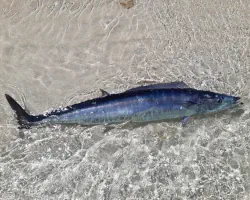
The wahooDiscover the wahoo (Acanthocybium solandri), a powerful pelagic predator found in tropical and subtropical oceans. Recognizable by its streamlined body and distinctive blue vertical stripes, it is a fast swimmer that feeds mainly on fish and squid.Read more
Photo of the Day
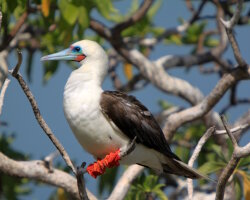
Fou à pieds rouges
(Sula sula)
(Sula sula)
 Copyright © 2007-2026 auxBulles.com - All rights reserved. Legal notices.
Photo credits - Our partners