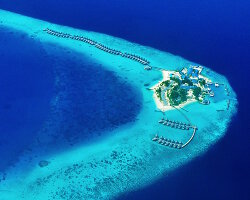
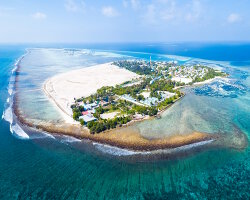
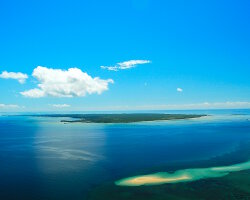
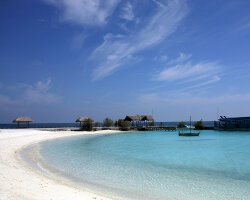
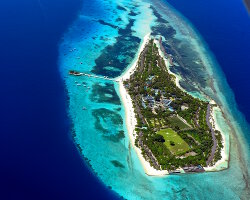
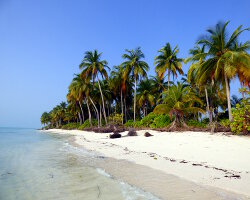
Located in the southwestern Indian Ocean, Mauritius is an island renowned for the diversity of its landscapes and the richness of its marine environment. Surrounded by coral reefs, it features vast turquoise lagoons bordered by white-sand beaches, while the interior of the island reveals volcanic terrain, tropical forests, lush valleys, and numerous waterfalls.
The ocean plays a central role in discovering Mauritius, with numerous opportunities for scuba diving, snorkeling, kitesurfing, and boat excursions. Mauritian waters are also home to a remarkable diversity of marine species, from tropical fish and corals to turtles, dolphins, and whales. Inland, hiking trails, mountains, and volcanic landscapes offer another perspective on this Indian Ocean island.
Between beaches, lagoons, and mountains
Beaches bordered by lagoons
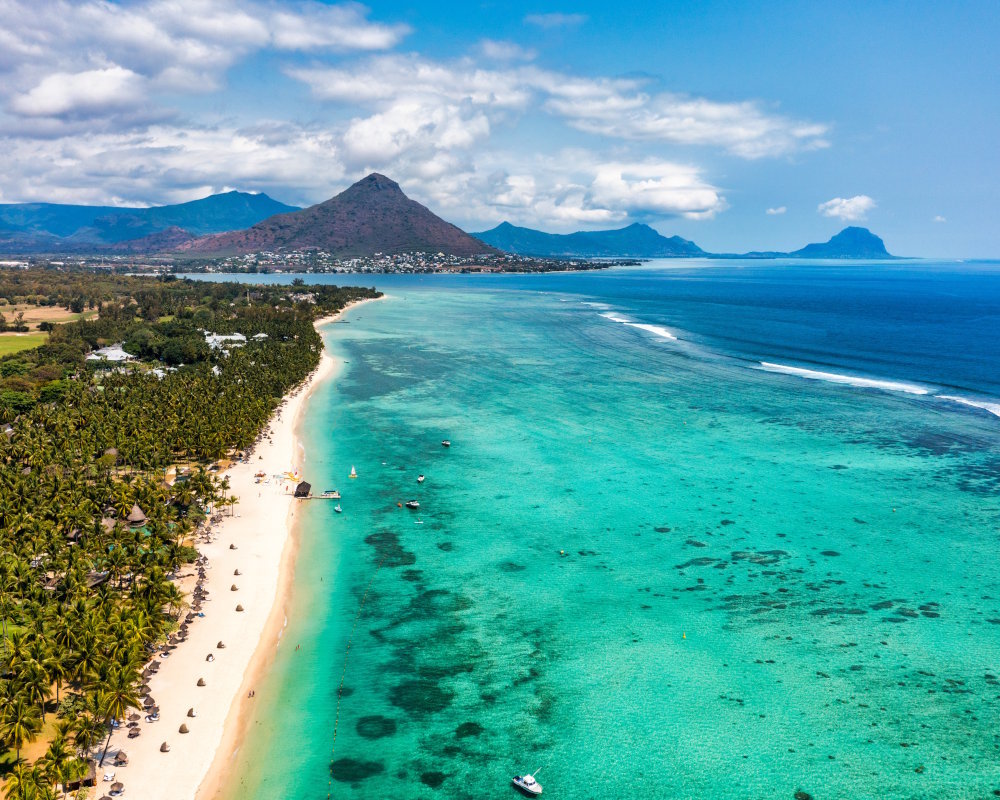
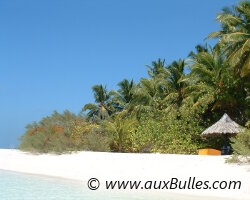
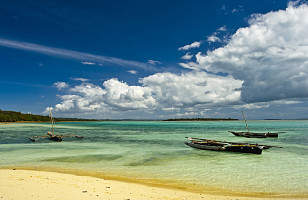
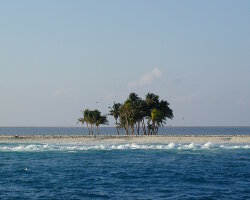
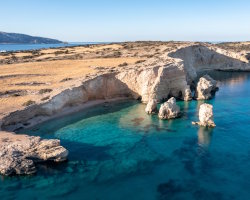
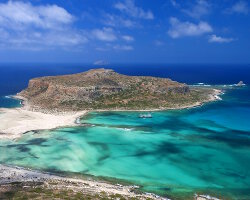
The Mauritian coastline is characterized by long stretches of light-colored sand and lagoons protected by coral reefs. On the west, north, and east coasts, these shallow waters provide favorable conditions for swimming and water activities. Each region, however, has its own atmosphere, ranging from lively beaches and quieter coves to broad stretches of sand lined with filaos, the characteristic coastal trees of tropical regions.
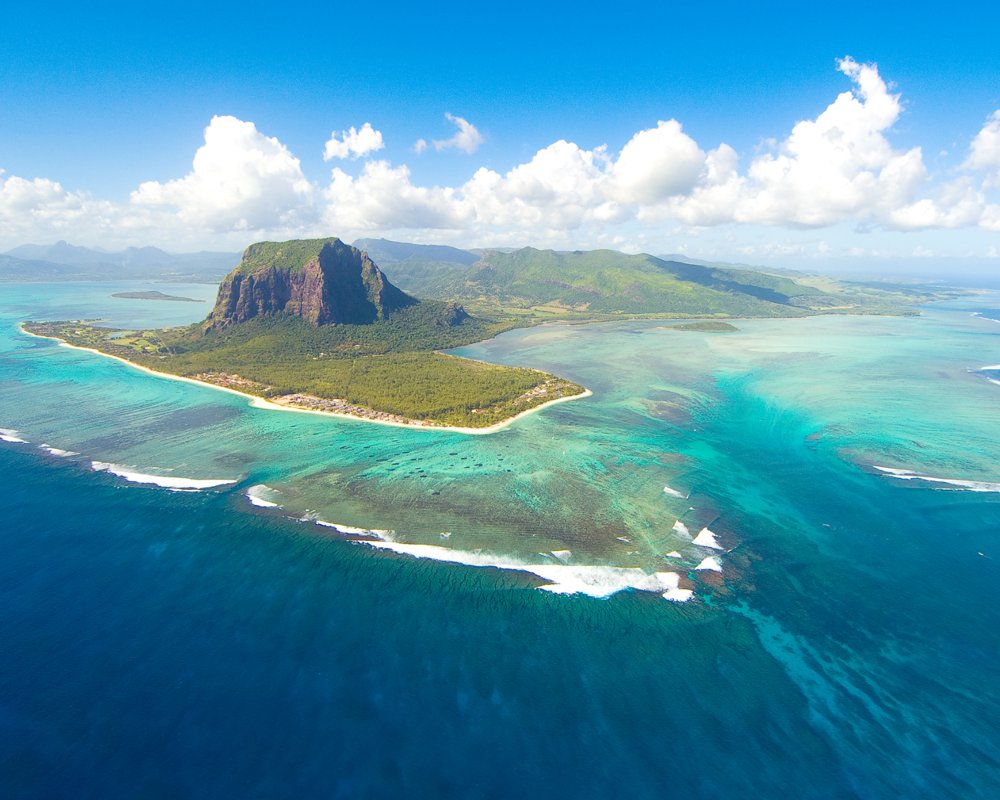
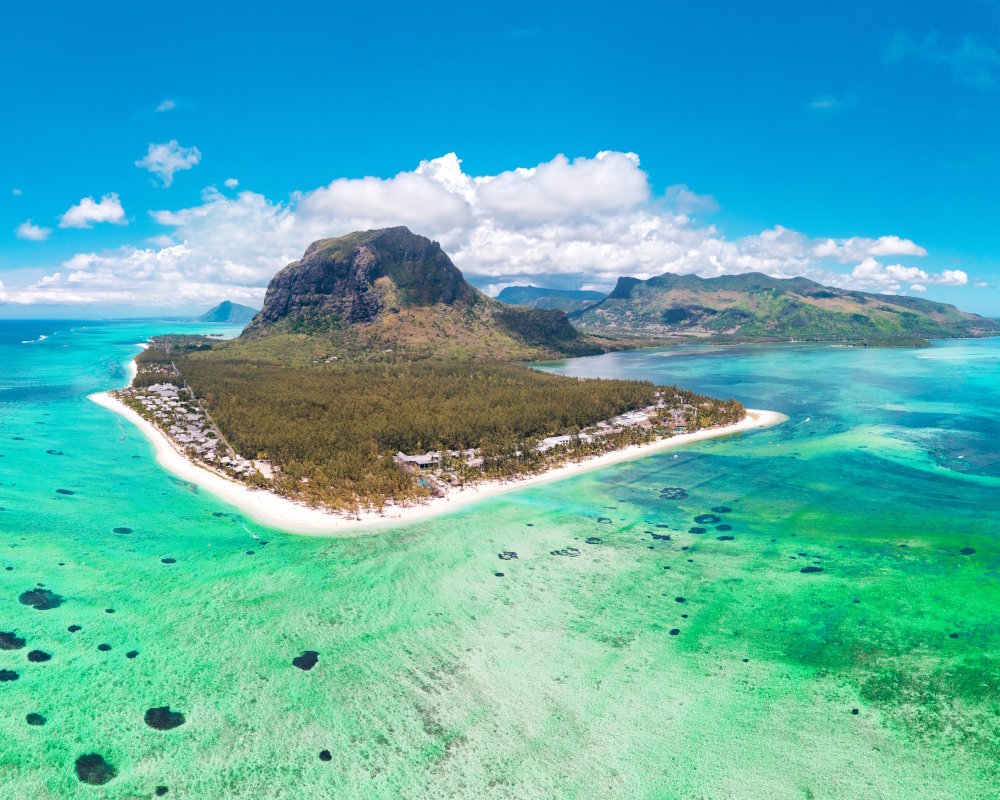
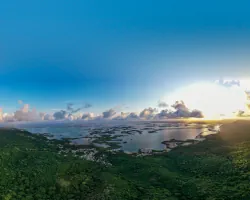
Among the island's most iconic landscapes are those of Le Morne in the southwest, where the spectacular profile of Morne Brabant rises above the lagoon. Île aux Cerfs, off the east coast, is also renowned for its beaches and turquoise waters. These coastal landscapes perfectly illustrate the contrast between Mauritius's volcanic terrain and the clear waters of its lagoons.
Mountains in the heart of the island
As you move away from the coast, the landscape gradually becomes more mountainous and lush. Mauritius's volcanic origins are reflected in its rugged terrain, steep-sided valleys, and several peaks rising above the surrounding areas. Piton de la Petite Rivière Noire, which rises to 2,717 feet above sea level, is the highest point on the island. It lies within Black River Gorges National Park, in southwestern Mauritius.
The mountain landscapes also provide opportunities to discover lush tropical vegetation and several spectacular waterfalls. Black River Gorges National Park has about 37 miles of hiking trails, allowing visitors to explore its forests, ridges, and valleys while enjoying numerous viewpoints overlooking the island's southwestern landscapes. Piton de la Petite Rivière Noire is therefore a major landmark for discovering the volcanic terrain of Mauritius.
A paradise for water sports
Favorable conditions along the coast
Thanks to its protected lagoons and diverse coastline, Mauritius offers numerous opportunities for water activities. Scuba diving and snorkeling allow visitors to explore coral reefs and observe the many species that inhabit coastal waters. Kayaking, paddleboarding, and boat excursions offer another way to discover the lagoons.
Conditions nevertheless vary depending on the region and season. Some coasts are particularly popular for their consistent winds, which favor kitesurfing and windsurfing. The southwest, around Le Morne, has become an internationally renowned destination for board sports, with conditions suitable both for experienced riders and those looking to learn.
Diving, snorkeling, and reef exploration
Mauritius's underwater landscapes offer great diversity, with coral reefs, drop-offs, rock formations, and shipwrecks accessible to divers. Relatively warm waters make diving possible year-round, although visibility and sea conditions can vary depending on the area and season.
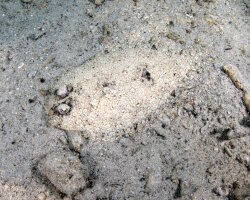
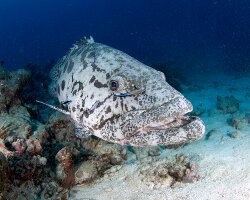
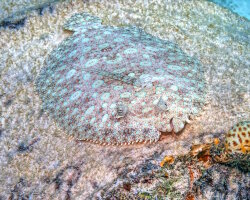
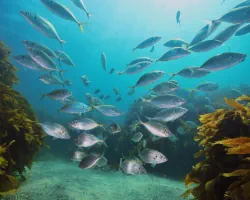
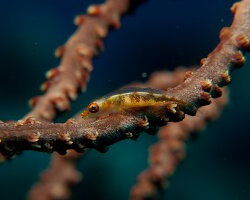
Snorkeling is an easily accessible alternative for discovering coastal ecosystems without scuba diving. In shallow reef areas, it is possible to observe tropical fish, corals, echinoderms, and other marine invertebrates. The richness of these environments makes Mauritius a particularly interesting destination for anyone fascinated by marine life.
Dolphins and whales
Dolphins offshore
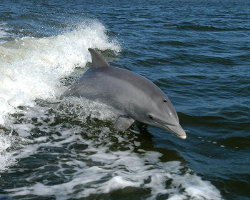
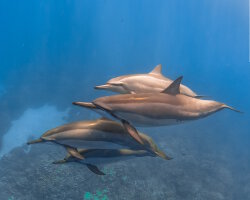
The waters surrounding Mauritius are frequented by several species of dolphins. They can notably be observed offshore along the west coast, where excursions offer opportunities to encounter them. Bottlenose dolphins and spinner dolphins are among the species regularly reported in Mauritian waters.
Boat trips sometimes offer the opportunity to observe these animals traveling in groups, swimming near vessels, or leaping at the surface. These encounters should nevertheless remain respectful of wildlife: approach distances and local regulations designed to minimize disturbance to the animals should be observed.
Whales in Mauritian waters
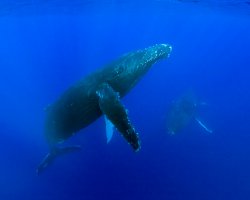
The deep waters around Mauritius are also home to whales, particularly during certain times of the year. The humpback whale is especially iconic and frequents the waters of the Indian Ocean during its seasonal migration. Its presence is one of the major natural attractions for marine mammal enthusiasts.
Whale watching provides an opportunity to discover another dimension of Mauritius's marine biodiversity, quite different from that of coral reefs. From boats, it is sometimes possible to see their blows, backs, or tails as they dive. As with dolphins, whale watching should prioritize respect for the animals and avoid any approach that could disturb their natural behavior.
Volcanic landscapes and waterfalls
Black River Gorges
Inland, the landscape changes dramatically with the mountainous terrain and lush forests of Black River Gorges National Park. Trails lead through steep-sided valleys, forested slopes, and numerous viewpoints overlooking southwestern Mauritius. This region therefore offers another side of the island, far from its beaches and lagoons.
The national park is also home to remarkable biodiversity. Along its trails, visitors can observe abundant tropical vegetation as well as several bird species, some of which are endemic to Mauritius. Black River Gorges is therefore an ideal destination for combining hiking, landscape discovery, and wildlife observation.
The Colored Earths of Chamarel
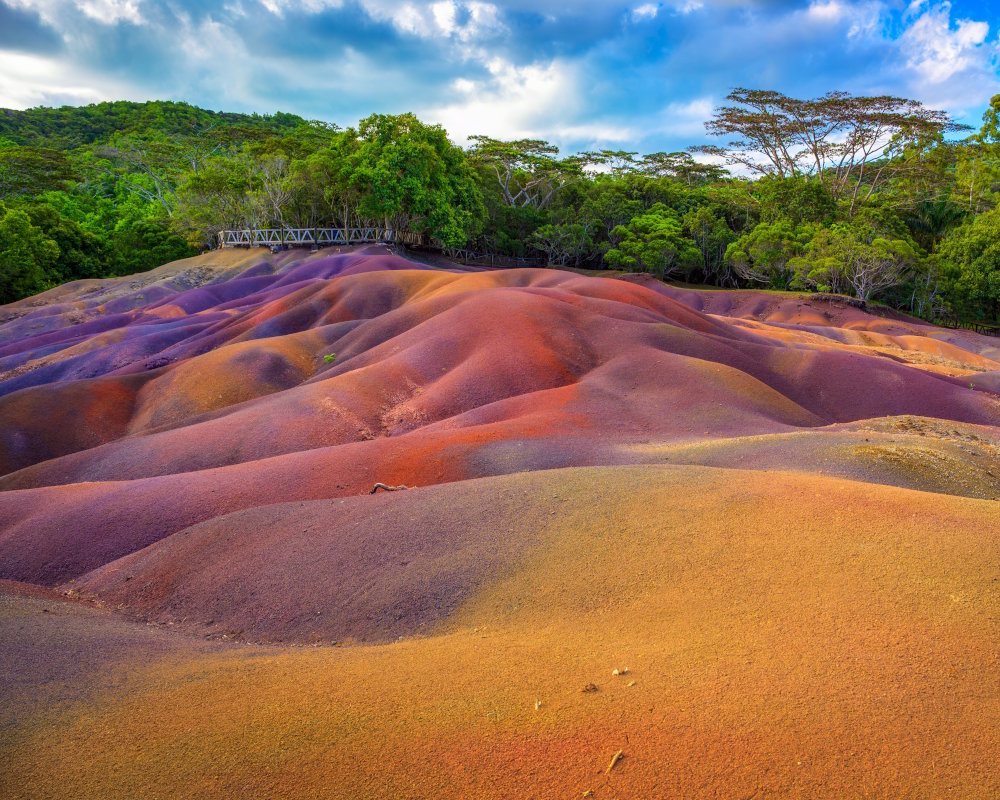
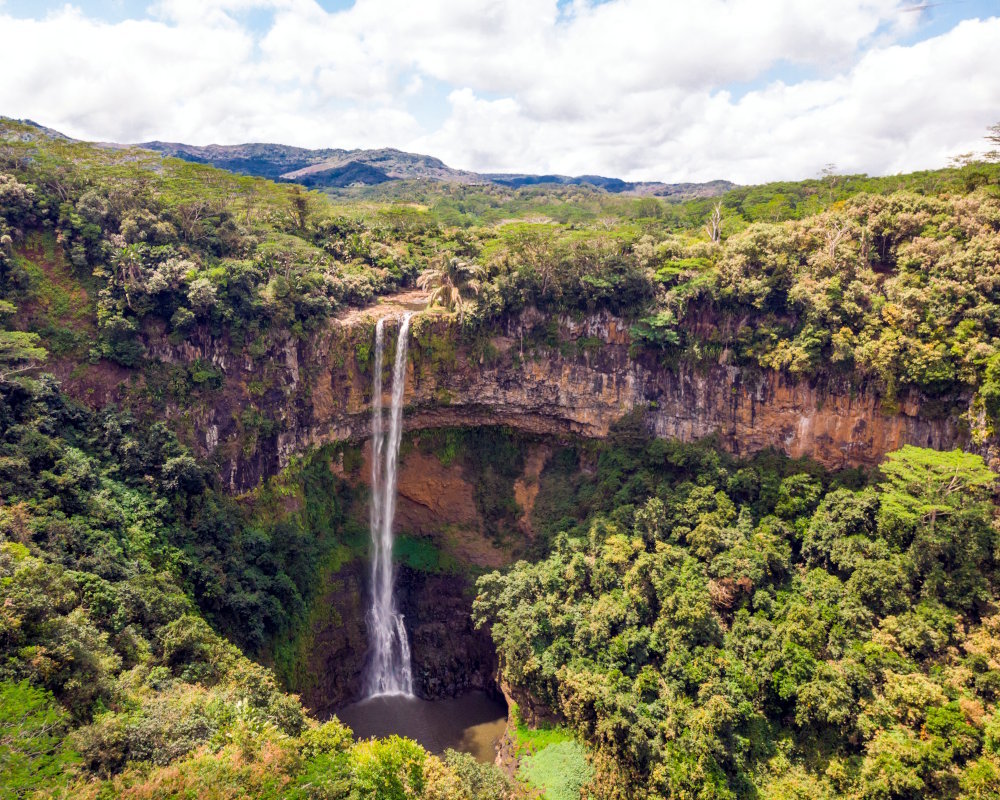
In the southwest of the island, Chamarel is famous for its Seven Colored Earths, a series of dunes displaying different shades ranging from ocher to red, brown, and purple. These formations are linked to the ancient volcanic activity of Mauritius and are now among the island's most iconic natural landscapes. Nearby, Chamarel Waterfall plunges through particularly lush tropical vegetation.
A visit to Chamarel therefore brings together several aspects of Mauritius's natural heritage in a single excursion: volcanic terrain, tropical forest, and waterfalls. The landscapes of this region are among the must-see sites in the island's interior, along with Black River Gorges and the southwestern mountains.
Le Morne, a landscape of nature and history
Morne Brabant and its lagoon
At the southwestern tip of Mauritius, Morne Brabant rises above the lagoon with its imposing silhouette. This isolated mountain, surrounded by the turquoise waters of the Indian Ocean, is one of the island's most iconic landscapes. Its steep slopes contrast with the beaches and lagoons stretching out at its foot, creating a particularly spectacular setting.
Le Morne is also an ideal place to discover the landscapes of southwestern Mauritius. From its heights, panoramic views encompass the lagoon, the peninsula, and the surrounding mountains. The mountain thus recalls the island's volcanic origins while serving as a major natural landmark along its coastline.
A symbol of freedom
Le Morne also has a strong historical significance. The mountain once served as a refuge for escaped enslaved people, known as maroons, who found natural shelter among its cliffs and difficult-to-access terrain. This history has left a profound mark on the island's collective memory and made Le Morne a symbol of freedom and resistance.
The Le Morne Cultural Landscape has been a UNESCO World Heritage Site since 2008. The site combines the exceptional value of its natural environment with a history directly linked to slavery and the resistance of people seeking to escape their condition. Le Morne is now one of Mauritius's most important places of remembrance.
Port Louis and Mauritius's cultural heritage
A capital at the heart of the island's history
Port Louis, the capital of Mauritius, offers an opportunity to discover another side of the island, away from its beaches and tropical landscapes. The city concentrates much of the country's political, economic, and cultural history, with its markets, historic buildings, and lively neighborhoods. The Central Market is particularly worth visiting to discover local products, spices, and the many culinary influences that characterize Mauritian cuisine.
The city also bears witness to Mauritius's maritime past, as it has stood for centuries along the Indian Ocean's trade routes. Its heritage reflects the different populations that settled on the island throughout its history and helped shape its cultural identity.
Aapravasi Ghat, a place of remembrance
Near Port Louis's waterfront lies Aapravasi Ghat, a former immigration depot that bears witness to the arrival in Mauritius of indentured laborers, particularly from the Indian subcontinent. After the abolition of slavery, this system of indentured labor played a major role in transforming Mauritian society and population.
A UNESCO World Heritage Site since 2006, Aapravasi Ghat is now an important place of remembrance. Visiting the site provides a better understanding of Mauritius's history and the cultural diversity that characterizes the island today, the result of centuries of migration and exchange across the Indian Ocean.
How to get there ?
By air
Mauritius is primarily accessible by air via Sir Seewoosagur Ramgoolam International Airport, located in the southeast of the island near Mahébourg. From France, several airlines offer direct or connecting flights to Mauritius, particularly from Paris. A nonstop flight from mainland France takes approximately 11 hours.
The international airport is the country's main gateway and provides access to the island's various regions by car, taxi, or organized transfer. Port Louis is about 28 miles from the airport, while the main beach resorts in the north, west, and east can be reached via the road network.
Getting around the island
A car remains one of the most convenient ways to explore Mauritius, particularly if you want to combine beaches, natural sites, villages, and hiking. The road network makes it relatively easy to reach the island's different regions, although travel times can vary depending on traffic and mountain roads.
Taxis, private transfers, and organized excursions are also available for reaching the main tourist attractions. If you mainly want to enjoy your hotel and the activities offered nearby, you can also limit your travel and book a transfer or excursion as needed.